.png)
 5 months ago
99
5 months ago
99

The end is near, but will justice prevail or will darkness reign supreme?
 Image: Prime Video
One of the best superhero shows of all time is saying goodbye, as The Boys gears up for its fifth and final season, set to debut April 8 on Prime Video. Known for its darkly satirical take on corporate-controlled superheroes in a world that mirrors our own, the series has kept pace with the chaos of modern life. But with reality now outdoing fiction, it might finally be time for showrunner Eric Kripke to adapt one specific plotline from the original comic.
The show is already leagues better than the comic book created by Garth Ennis, Darick Robertson, largely because Kripke made the smart choice to diverge from the source material and tell his own story. Not only does this let The Boys skip over some of the comic’s most disturbing moments, it also allows the writers to directly parody modern politics and pop culture. But no matter how far it diverges, it still needs to return to the comic’s greatest strength: its ending. Once the dust settles and Homelander’s (Antony Starr) latest schemes are dealt with, Kripke needs to zero in on Billy Butcher (Karl Urban) and give his anti-hero the reckoning he deserves.
Homelander’s arc has become the show’s defining centerpiece, an analog for Donald Trump and the MAGA movement far more compelling than his comic counterpart. However, the series still needs to give Butcher his due or risk squandering the character’s deeper thematic purpose. The challenge is that the show’s Butcher is a very different man: a violent vigilante fighting not to become the monster he despises, rather than the cold, ruthless figure he is in the comics.
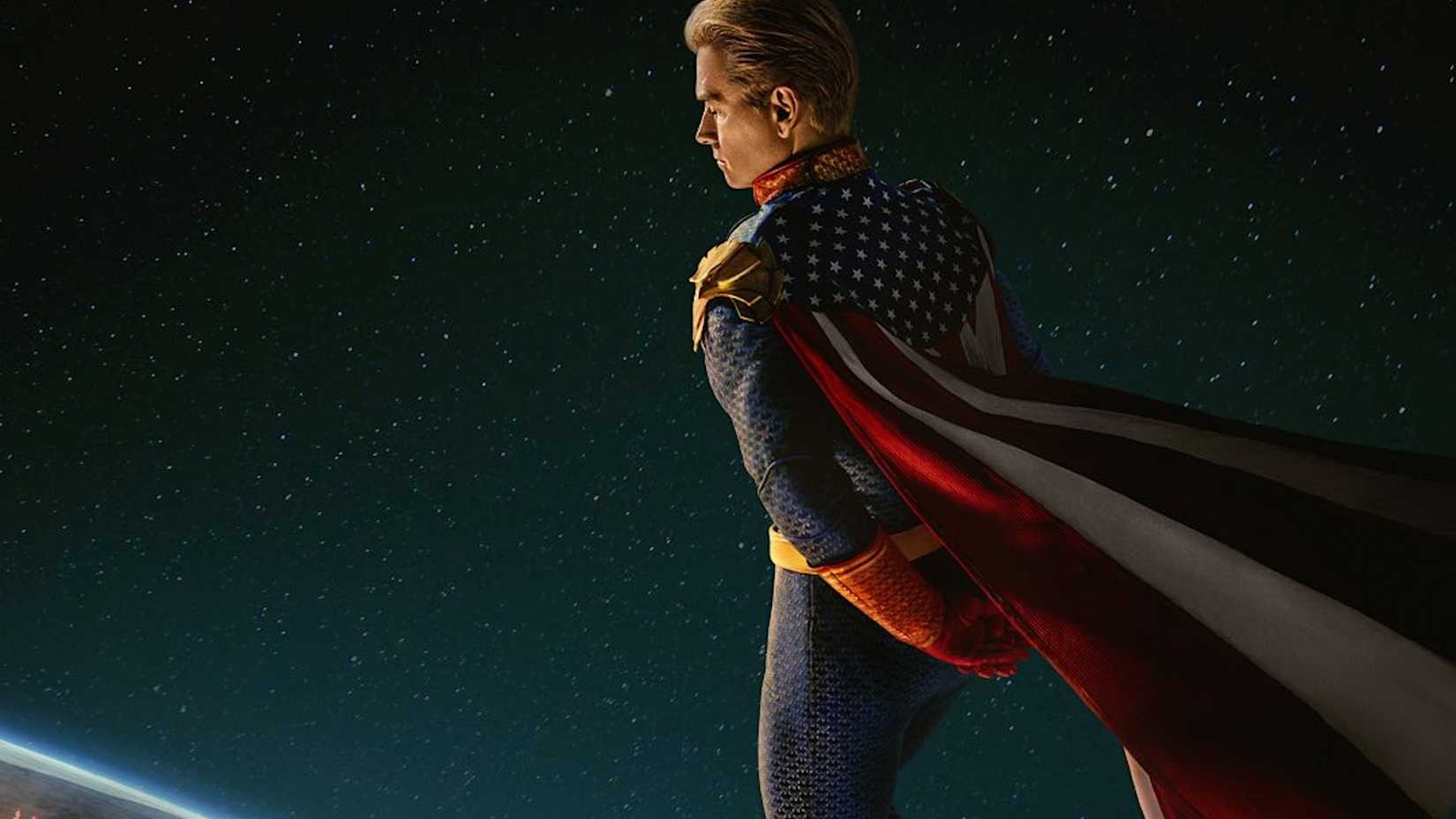 Image: Prime Video
Without giving too much away, the comics reveal that once Homelander is dealt with and the world starts returning to something resembling normal, the spotlight shifts back to Butcher, who finds no peace in victory. His crusade against Homelander simply transforms into a new war, this time against every superpowered individual, including The Boys themselves (like in the show, many of The Boys take Compound V in the comic to gain their own powers and level the playing field). Butcher becomes fully unhinged, murdering his comrades one by one until only Hughie remains.
The original comic was always intended as a deconstruction of superhero mythology, an exploration of what ordinary people might become with extraordinary power, with Homelander serving as a twisted reflection of Superman. The show, however, pivots to satirize American culture, politics, and corporate power, framing superheroes as celebrity influencers backed by billion-dollar brands.
But in doing so, the adaptation moves away from the Punisher-like dimension of Butcher’s character. In the comics, he’s a man defined entirely by the loss of his family and the all-consuming grudge it leaves behind. When a man built for war no longer has a war to fight, he manufactures one, as Butcher ultimately does.
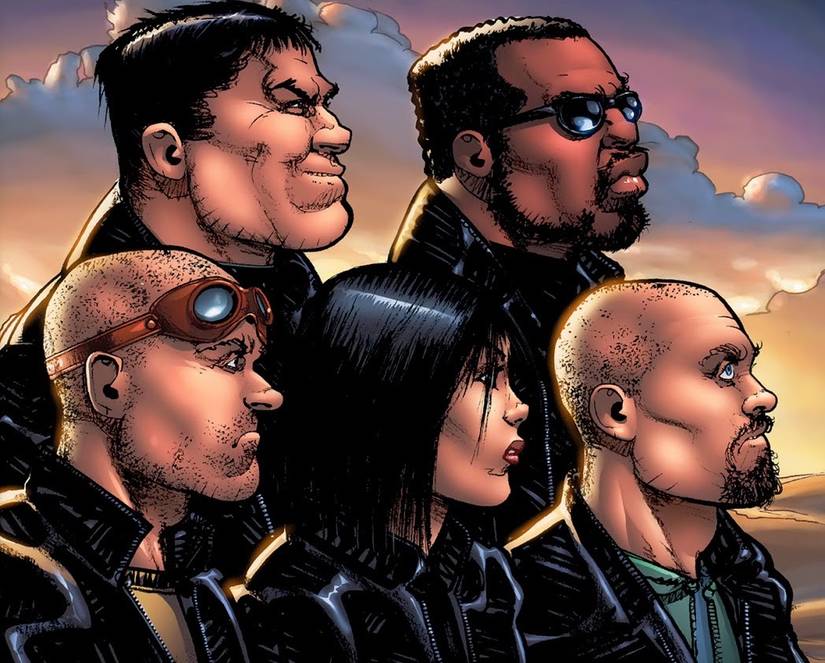 Image: Darick Robertson/Dynamite Entertainment
By contrast, the series presents a drastically altered version of the character, one who still stands on the edge of monstrosity but is given the possibility, however faint, of redemption. Kripke’s version of Butcher still has a chance to choose not to become the very thing he hates, an individual corrupted by power.
Once the internment camp imagery fades and the Trump–Homelander parallels run their course, The Boys still needs to circle back to its comic-book core. With a dying Butcher holding a virus that could erase every Supe on the planet, the show has all the pieces in place for a brutal, faithful reckoning. But he also has a narrow path toward redemption — a chance to craft an ending the comics never allowed and to decide once and for all what kind of monster he’s willing to become.




![ELDEN RING NIGHTREIGN: Deluxe Edition [FitGirl Repack]](https://i5.imageban.ru/out/2025/05/30/c2e3dcd3fc13fa43f3e4306eeea33a6f.jpg)

 English (US) ·