.png)
 1 week ago
9
1 week ago
9

Published Jul 16, 2026, 1:00 PM EDT
Kon died in 2010, leaving behind an incredible legacy of movies and shows, but one film towers above the rest
 Imager: Madhouse
Satoshi Kon left an imprint in the entertainment world that went beyond animation. The Japanese director, animator, manga artist, and screenwriter died in 2010 at 46, leaving behind a legacy of films and TV shows with a unique and authorial voice. His work also serves as an incredible introduction into the world of anime, challenging the notion that animation can’t grapple with complicated topics or that it isn’t as rewarding as live action. Kon’s stories explore all sorts of genres, from psychological thrillers to comedies, but they all share an interest in dreams, memories and the way in which the mind works, often blurring the line between what’s real and what isn’t.
Paprika, released in 2006, was his final completed film. It’s a surrealist masterpiece, and Kon’s most precise work when it comes to replicating the feeling of a dream, submerging the audience fully in the experience, whether it's the unencumbered freedom of flying or the fear and unease of what lies in the subconscious. It’s now streaming on Tubi for free, making now the perfect time to discover (or rediscover) this sci-fi anime classic.
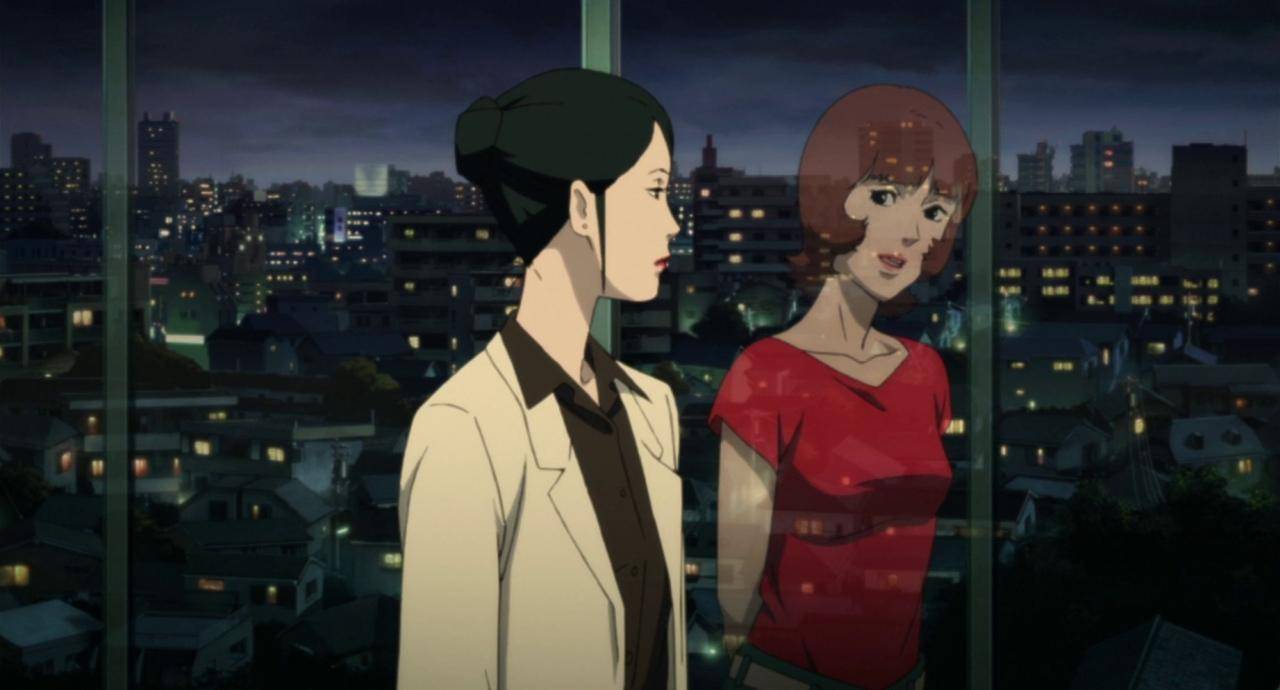 Atsuko and Paprika are two halves of a whole in Satoshi Kon's Paprika.Image: Madhouse
Kon throws you into the world of Paprika without much context. Part of the joy of watching it is acting as a detective, keeping tabs on the characters and strange scenarios that pop up and decoding them as the plot advances. Based on a novel by Yasutaka Tsutsui, Paprika is set in the near future where a company has created a device called the DC Mini, allowing people to enter dreams. Our lead character is Dr. Atsuko Chiba, a research psychologist that leads the team developing this technology and enters people's dreams for therapy. The world is disrupted when a mysterious figure steals some of the devices, upending the dream world and letting dreams and nightmares seep into reality. Through it all there’s the figure of Paprika, a preppy investigator that has full control of this alternate space, taking on different forms as she navigates people’s dreams, flies through the skies, jumps in and out of billboards, and more, with her movements unconstrained by physics and reality.
Over the years, Paprika has become one of the films that best depict the slippery nature of dreaming. It’s drawn comparisons to Christopher Nolan’s Inception, with the characters’ subconscious seeping into the story. Maybe it’s due to the fact that it’s animation — or due to Kon’s freewheeling approach to storytelling — but Paprika feels even more surreal than Inception. It’s a film that’s less concerned with structure and the proper way in which movies are supposed to work. It’s held together by dream logic: you may have trouble explaining the plot and what exactly is going on, but you get the overall vibe.
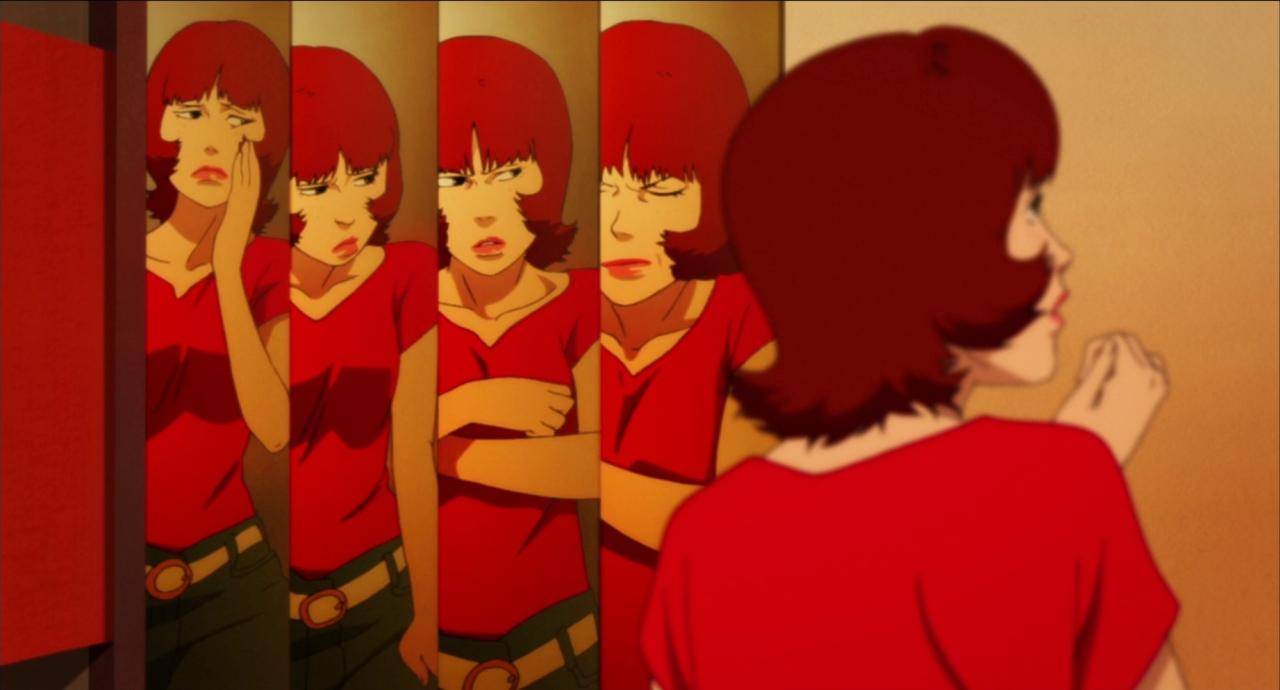 Paprika's fragmented reflections are visible during the film's opening credits.Image: Madhouse
“What fascinates me in dreams is the idea that they emanate from our subconscious. I think that there are many possibilities to interpret dreams but a great deal of mystery always remains,” Kon told Screen Anarchy in 2006. “When a dream is explained to us, it’s necessary to know the personal context of the subject.”
In Paprika, Kon creates a world that’s colorful, vibrant and whimsical, yet one that can quickly devolve into a nightmare. A large part of the movie is set in dreams, prompting some common dream-nightmare scenarios, like a character falling unexpectedly and waking up, or a character running in pursuit of someone only to discover they’re moving painfully slowly. One of the recurring set pieces in the film is a parade of sentient items like refrigerators, microwaves, and sofas, marching alongside the Buddha and the Statue of Liberty in a crowded Tokyo street. It’s a scene that’s joyful, filled with bright colors and charming visuals, luring you into a sense of security only to take a turn and surprise you with the unexpected. (Paprika is also one of Kon’s scariest movies, giving you the feeling that anything could happen at any point. That's saying something when you’re talking about a guy whose feature debut was Perfect Blue.)
It’s impossible to reduce Kon’s work to one movie or show, but the way the mind works has long appealed to him, whether it’s in depicting a mental break in Perfect Blue or an aging actress confusing her memories with the characters she played in Millennium Actress. Paprika takes this interest further, offering Kon’s fullest expression of the surreal and the subconscious. With it, he took the sci-fi genre and delivered the work he’d been building toward throughout his career: a story for adults that remains in touch with the kid in all of us, perfecting that sense of wonder and possibility that’s so unique to what he does.







![ELDEN RING NIGHTREIGN: Deluxe Edition [FitGirl Repack]](https://i5.imageban.ru/out/2025/05/30/c2e3dcd3fc13fa43f3e4306eeea33a6f.jpg)
 English (US) ·