.png)
 2 hours ago
2
2 hours ago
2
“Cinematic narrative fighting game.”
That’s a group of words that I, someone whose earliest video game memories are of Street Fighter II on the Super Nintendo, never thought I’d see in one place. Fighting games have had story modes in the past: Street Fighter 6‘s World Tour mode, Tekken 8‘s The Dark Awakens, and NetherRealm’s Mortal Kombat and Injustice games are recent examples, but they mostly exist as a framing device for the characters and fighting styles that players take online.
Like a Dragon developer Ryu Ga Gotoku is not willing to accept this. With Virtua Fighter Crossroads, RGG is hoping to revolutionize how fighting games tell their stories, and in turn, add a compelling chapter to the lore of Virtua Fighter. During a roundtable discussion at Summer Game Fest, VF producer Riichiro Yamada and head of IP Toshihiro Nakaya spoke at length about their approach to this new game, and what they’re proposing is as ambitious as it is risky.
Building the lore
The development team will be the first to admit that, when it comes to an overarching story in fighting games, Virtua Fighter would rank near the bottom. “Virtua Fighter does have lore and setting, but you can’t find it in the game; it’s hard to break out,” Yamada said. “We had two choices; abandon the old lore, or adapt it into something new. So, the concept of Crossroads, at a high level, is to take what RGG does best, telling a story, and take what Virtua Fighter does best, fighting gameplay, and mix them into something new and unique.”
 Sega
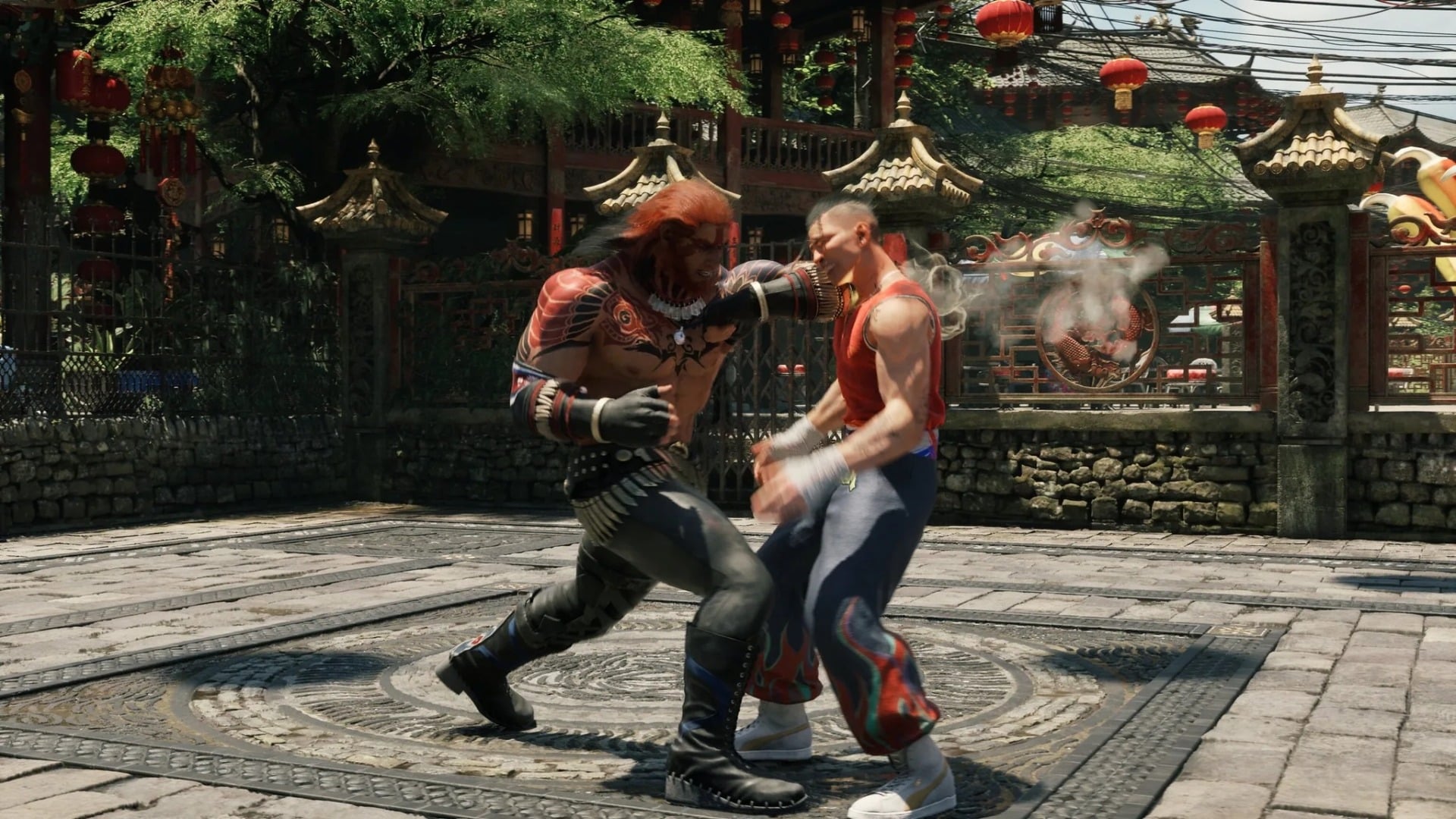
SegaCrossroads is set a decade after the events of Virtua Fighter 5, and the overarching evil conglomerate from the story, the Judgment 6, is gone. There’s no longer a world tournament for these fighters to participate in, and there’s no secret Dural Project stealing all of their fighting data to build android super weapons— although that story, ironically, is just as prescient today.
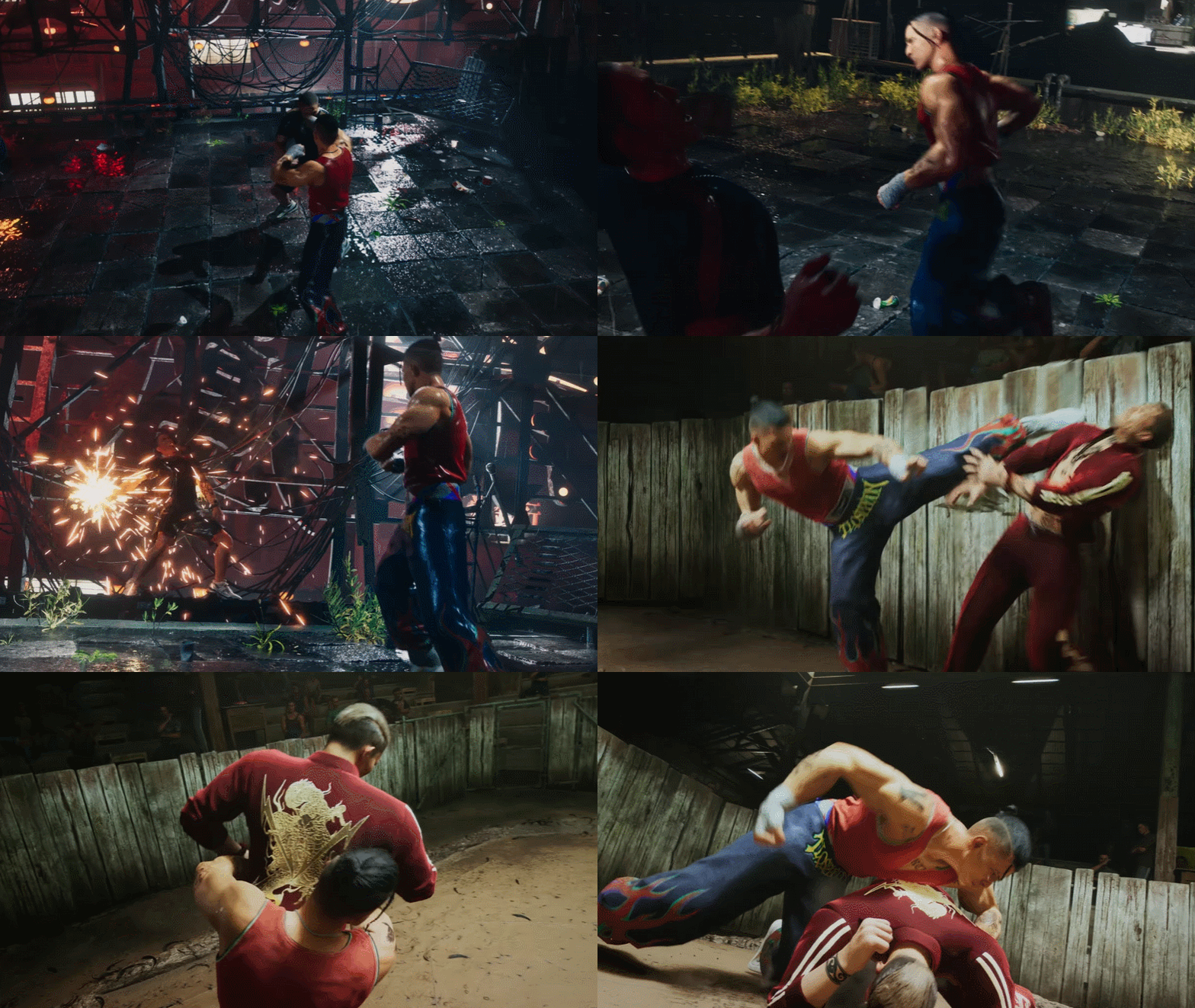
The story is split between four new faces to the Virtua Fighter franchise, though so far we only know of two; Cielo is the MMA fighter heavily featured in the trailers, while we’ve seen glimpses of Stella Bridge, a kickboxer who bears a striking resemblance to VF mainstay Sarah Bryant, in the trailers as well. We’ll learn more about the other two protagonists leading up to launch.
Old meets new
Stella not actually being Sarah touches at another key element of Virtua Fighter Crossroads‘s main goal of story meeting fighting. Some legacy fighters may not make the cut this time around, simply because they don’t actually fit into the world RGG is trying to build; considering we’ve jumped 10 years in time, VF elder statesmen like Lau Chan and Shun Di might just be, well, dead.
For a less extreme example, Nayaka went back to Cielo’s MMA background. “Cielo’s a MMA fighter, a striker, and some may say ‘well, Vanessa already exists,’ but what’s more important for this game is, ‘does that character fit in this world the same way?’” Nayaka said. “Back in the day, when characters were made, it was more like, ‘we want this moveset, so we’ll build a character around it,’ but now, the team is asking ‘how are they cool in this world?'”
 Sega
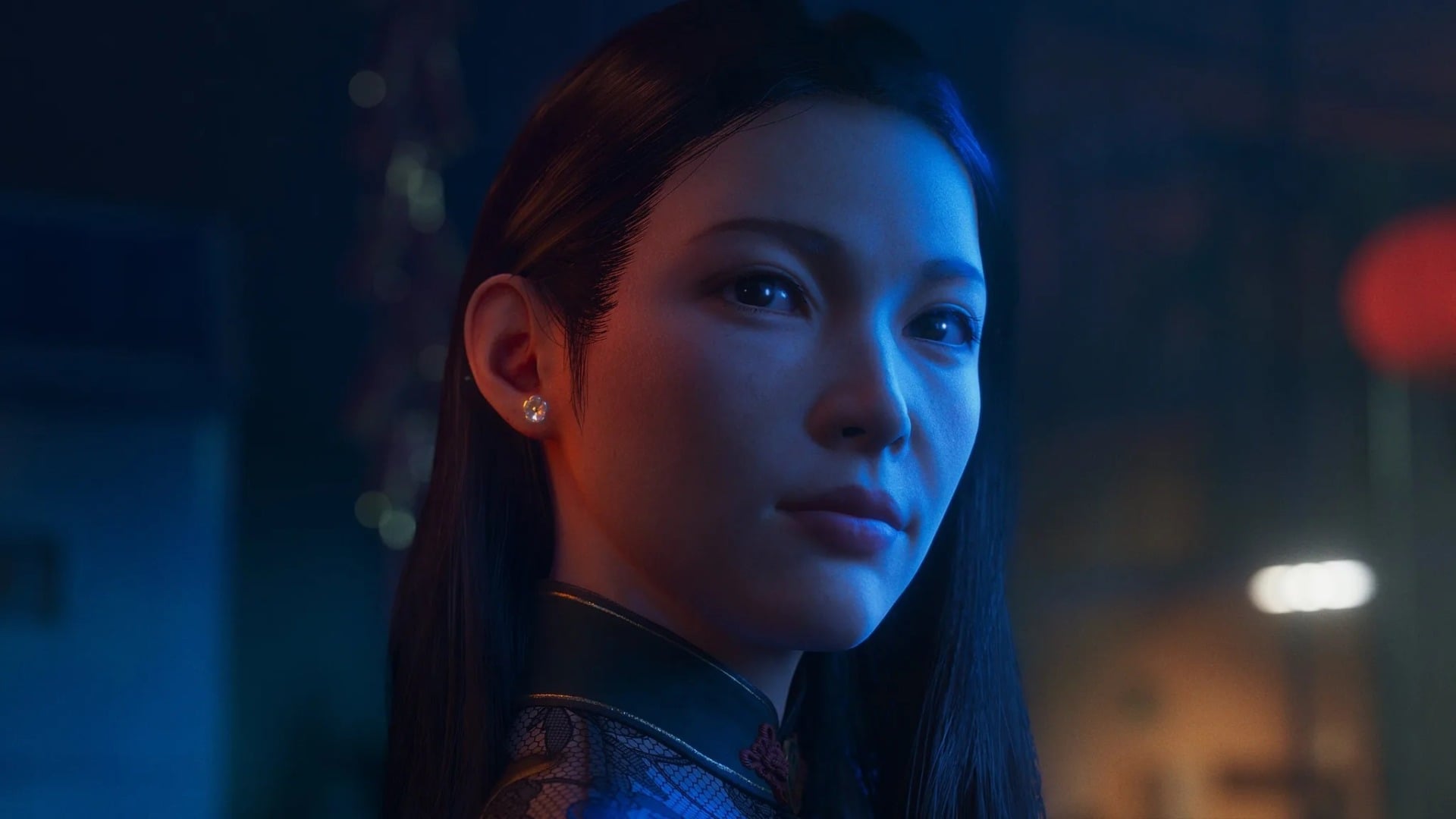
SegaNayaka then points to Pai Chan, who emerged at the end of the SGF Live trailer for Crossroads as a cook at a local restaurant using the name Madame Sue. “Wouldn’t an older Pai, cooking at the restaurant and no longer fighting, be cool? That’s what is most important, finding ways to make older characters fit into this new world.”
Welcome to Vilasapara
This new game takes place in a land called Vilasapara, a fictional area based on Southeast Asia. In Vilasapara, guns are outlawed, and quarrels are usually solved with fists and feet rather than weapons. It’s also heavily influenced by organized crime, so despite the lack of firearms, it’s still a dangerous place to be.
The team took great care to ensure this new world, despite being fictional, felt authentic to the region of the world it’s based on. The recent Virtua Fighter Crossroads Showcase that aired just after SGF Live highlighted this, with art director Ryo Shibasaki saying the team was “very diligent about using real-world references” like geography and climate when “bringing Vilasapara to life.”
Rather than being a fully open world, the team instead refers to it as a “semi-open sandbox world” not unlike what’s found in other RGG games. One key difference, however, is that how much you interact with the world, through side content or other optional tasks, will in turn affect how the story progresses.
 Sega
Sega“We have a lot of sub-content like side quests, which is nothing new for RGG, but this time, we really wanted to ground those minigames in this world,” Yamada said. “They’re not that different from the other ones, but they really do fit this moment, and your choices in these quests really matter in terms of how the story turns out.”
A philosophical spin-off
Through a certain lens, Virtua Fighter Crossroads can be seen as a “philosophical spin-off” to RGG’s Like a Dragon franchise. The world is completely different, as is the cast of characters within, but the root concepts driving development, with a focus on narrative as much as gameplay, sound like they overlap with those at the heart of LaD a lot. This may concern some longtime VF fans, fearing a swing too far in the RGG storytelling direction, but the team is cognizant of those worries and working hard to dissuade them.
“I had no idea how people would react, and I really didn’t want people to just think it’s ‘RGG Virtua Fighter,’ I want it to stand on its own,” Yamada said. “When you see the short trailer, you may think it’s just another RGG game, but we believe that in the Showcase, we really dove into what makes it Virtua Fighter, and what it does differently than our other games.”
When all is said and done, though, Yamada thinks that the game will be able to speak for itself. “To me, it doesn’t really matter what genre it gets put into, it’s more about the experience,” he said. “Someone picks it up, they play it, and they enjoy it because it’s a great game that’s easy to get into. That’s the challenge we want to meet.”




![ELDEN RING NIGHTREIGN: Deluxe Edition [FitGirl Repack]](https://i5.imageban.ru/out/2025/05/30/c2e3dcd3fc13fa43f3e4306eeea33a6f.jpg)
 English (US) ·