.png)
.png) 3 months ago
27
3 months ago
27

Published Apr 21, 2026, 10:00 AM EDT
Linda Güster is a natively German, UK-based gaming journalist specialising in video games and esports. Previously, she focused on news, features, reviews and interviews, reporting on gaming culture and industry developments, including on-site coverage from major international events.
A small Australian lobby group wrote an open letter. Not to a government, not to a regulatory body, not to anyone with a legal mandate to act on it. They wrote it to Visa and Mastercard. And within weeks, hundreds of games had vanished from storefronts, developers were scrambling, and players found themselves unable to access things they had already paid for. No court ruling. No legislation. No democratic process of any kind.

Related
10 Horror Games with Many Hours of Content
Even if you rush, these horror games will take a ton of your time.
I don’t care about the specific content that was targeted, nor the group that pushed for it, and not even the platforms that complied. What keeps standing out is how easy it was. One letter, a few weeks of pressure, and a significant chunk of a creative ecosystem was restructured. No one was legally compelled to do any of it. It just happened anyway.
Nobody Is Responsible, and yet Here We Are
 Steam
SteamThe most fascinating thing about the Itch.io and Steam situation is how cleanly everyone managed to avoid accountability for it. Mastercard said it didn't ask anyone to remove anything specific, and that it allows all lawful purchases. Visa offered a similar non-answer. Itch.io said it was protecting its payment infrastructure. Valve said payment processors communicated concerns through intermediary banks, citing a Mastercard rule around brand-damaging transactions. Collective Shout said it only targeted games depicting sexual violence, and that Itch.io made its own decision to pull everything.
Everybody is technically telling the truth, and yet the end result is still games disappearing. Games that had nothing to do with the original complaint, including titles about horror, with LGBTQ+ themes, a murder mystery about an adult film actress, and even Mouthwashing, which hadn't violated a single policy. The collateral damage wasn't a side effect. It's the natural consequence of a system where one link in a chain panics and everyone downstream bears the cost.
The Infrastructure Problem Nobody Wants to Talk About
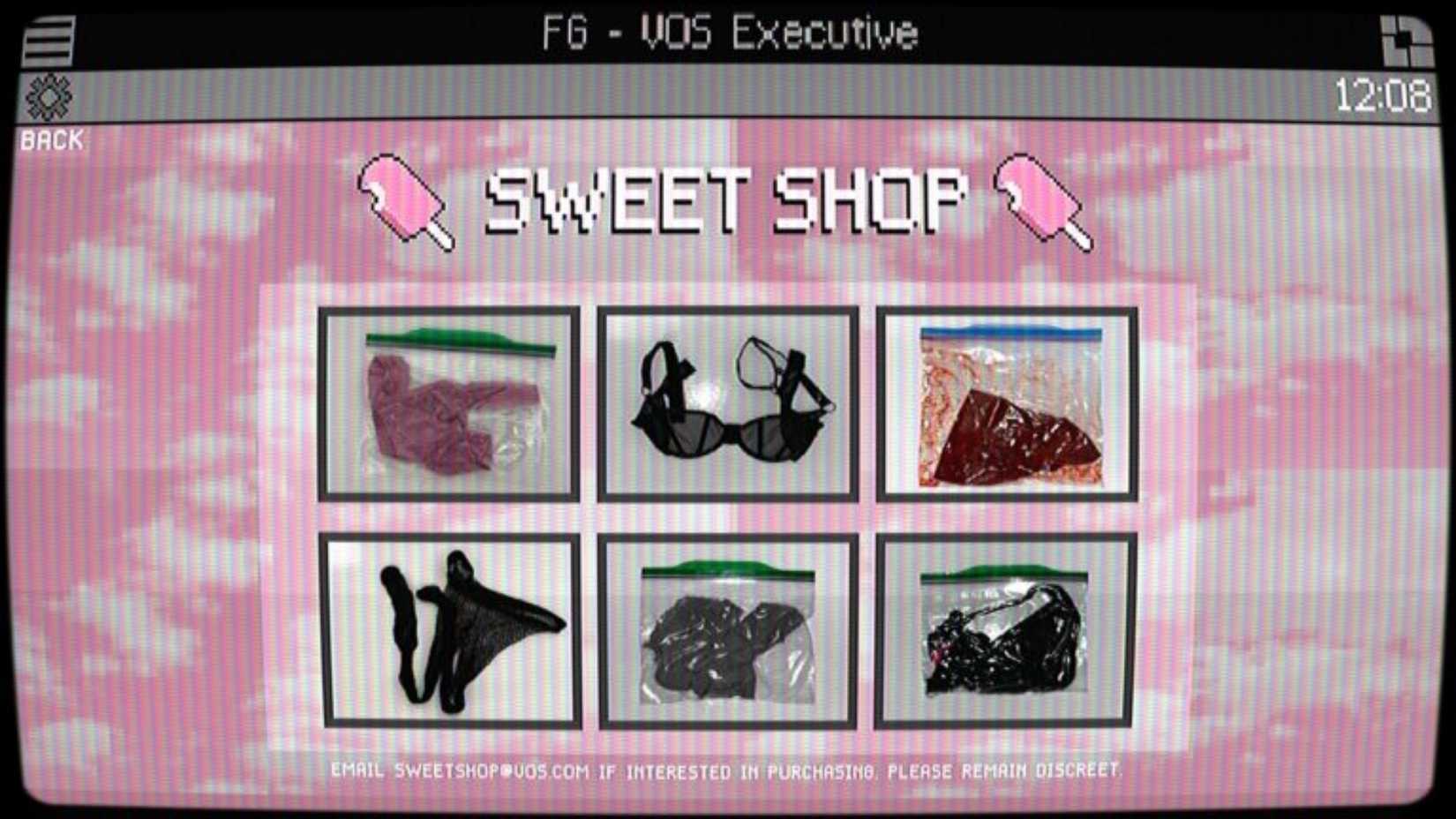 VILE: Exhumed / Cara Cadaver
What makes this particularly uncomfortable is the nature of what payment processors actually are. Access to financial infrastructure isn't like access to a specific storefront or platform, something you can work around if a company decides it doesn't want your business. It's closer to access to commerce itself. When the FTC sent letters to Mastercard, Visa, PayPal, and Stripe following this whole situation, the framing was telling: "full participation in commerce and public life necessarily requires that law-abiding individuals can access our financial system." That's not a small thing to acknowledge.
The irony is that none of this is happening through overtly malicious intent on the part of the payment processors. They're not sitting in a room deciding which games deserve to exist. They're reacting to risk, responding to pressure, and trying to protect their brand, all perfectly logical from a business standpoint. But the effect is that whoever can most convincingly frame a complaint as a reputational or legal risk now has enormous leverage over what creators can distribute and what audiences can access. That's a remarkable amount of informal power to have fallen into this particular arrangement.

Related
Good Intent Doesn't Prevent Bad Outcomes
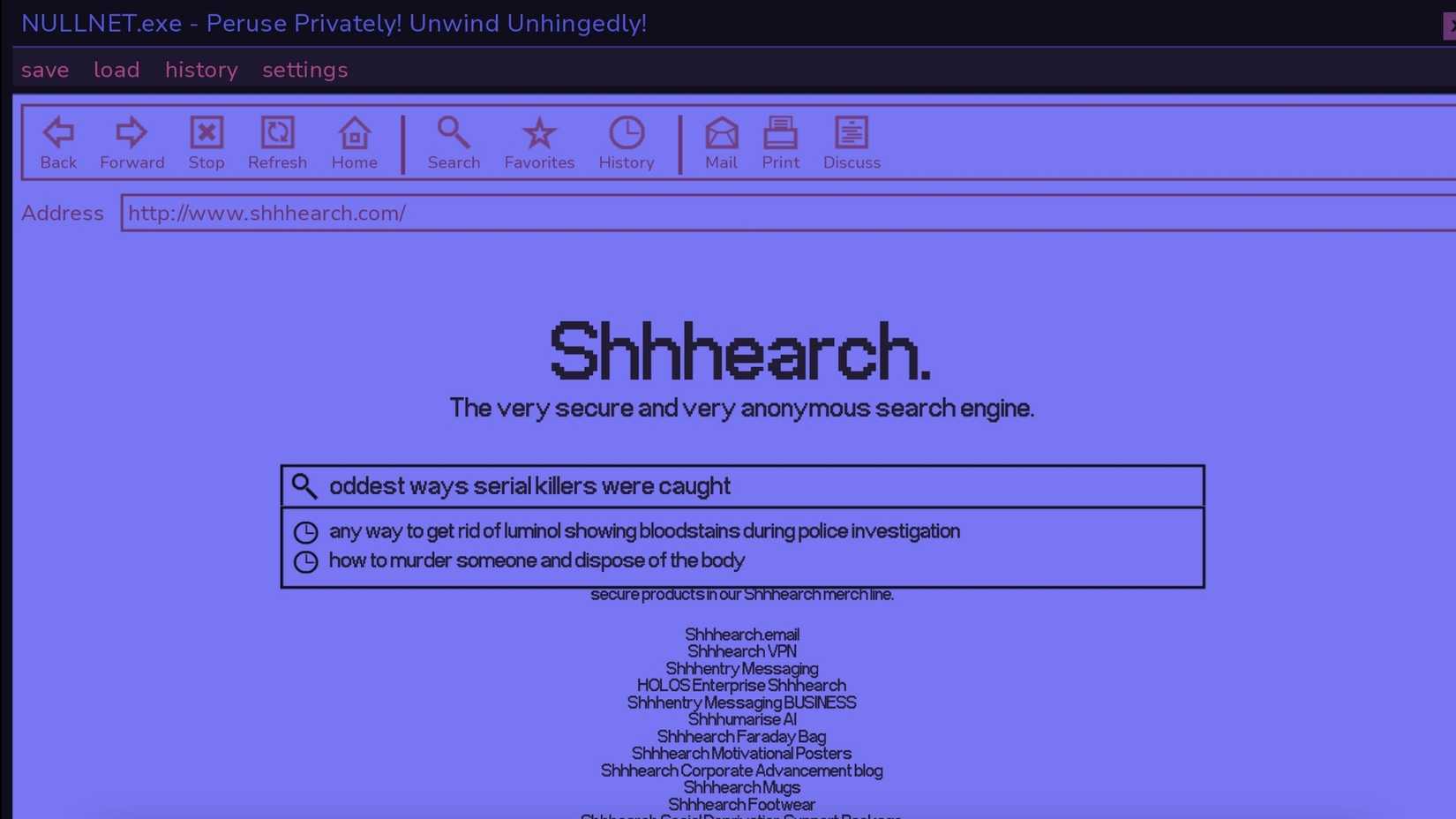 Killer Chat! / itch.io
I want to be careful here, because it would be easy to paint Collective Shout as uniquely villainous, and that's not really what I'm getting at. The group has been consistent about what it opposes, and the games it originally targeted aren't exactly difficult to object to. The point isn't whether their concerns are valid. The point is that a pressure campaign from a private group should not be able to restructure a global creative ecosystem without any formal legal process, regardless of how reasonable the original complaint seems.
Because the logic doesn't stay contained. Once you establish that a sufficiently motivated campaign group can influence payment processors to lean on platforms, the question of which campaigns succeed becomes entirely about noise and resources rather than legal merit. Collective Shout has previously gone after Grand Theft Auto, Detroit: Become Human, and has campaigned for mandatory internet filters in Australia. The framing shifts, but the mechanism remains the same. Today, it's games depicting sexual violence. Tomorrow it could be anything someone finds sufficiently objectionable and knows how to package into a credible-sounding letter.
Google Didn't Even Need Prompting
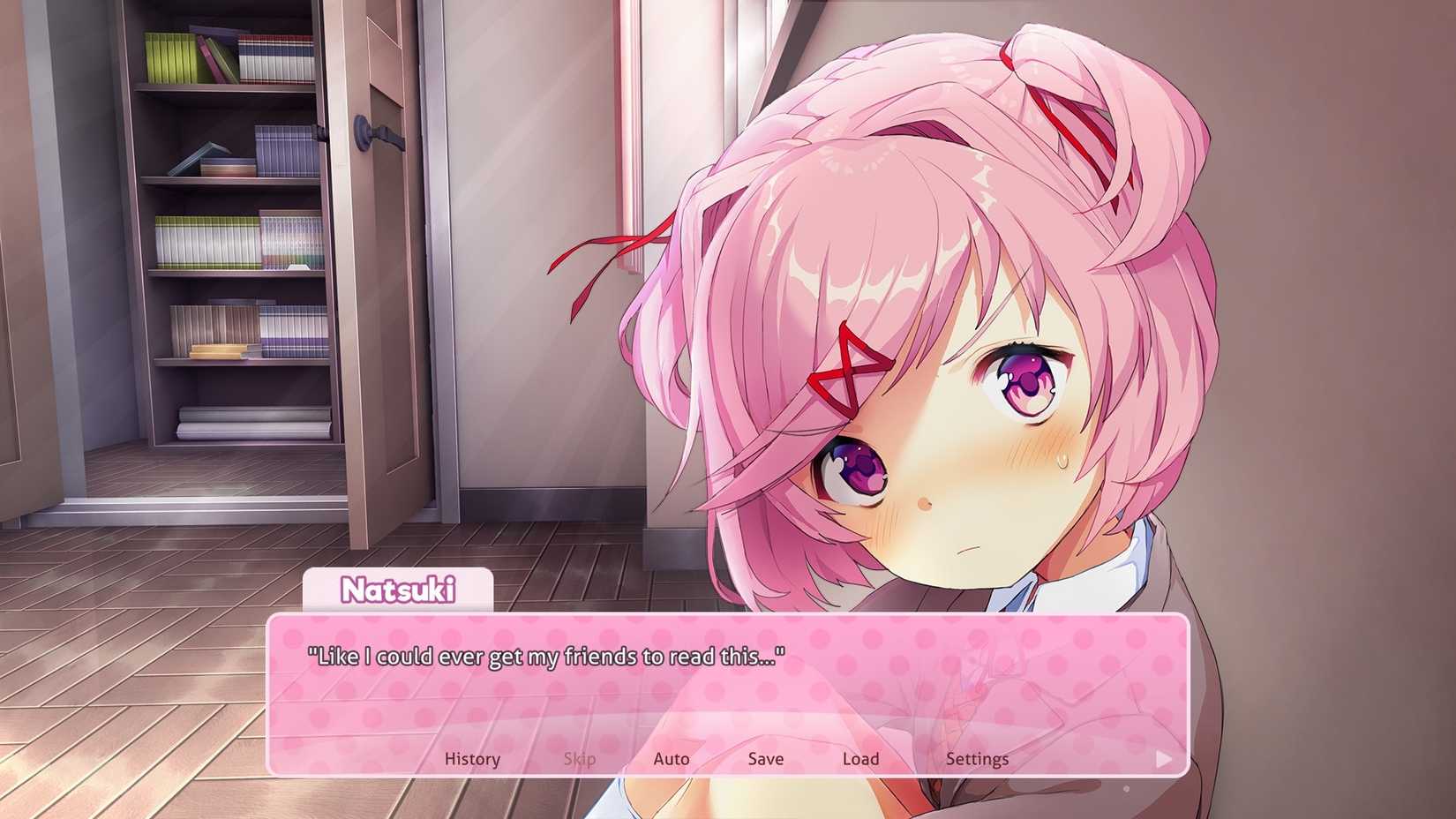 Steam
SteamIf the payment processor situation required a chain of actors before things went wrong, Google's removal of Doki Doki Literature Club from the Play Store required almost none. A game that has been downloaded over thirty million times in its free version, that was correctly rated Mature 17+, that opens with a content warning, and that has spent years being cited as one of the more thoughtful portrayals of mental health in the medium — gone. The developer and publisher were told it violated Terms of Service around sensitive themes.
What's bleak about this specific case isn't the removal itself, which might still be overturned. It's what it illustrates about the asymmetry of the situation. A platform can decide, unilaterally, that a game it has hosted for years now crosses a line it hasn't bothered to clearly define, and there's essentially no recourse that doesn't involve begging. The developer is doing everything right: they're transparent, they warn players, they provide resources, but none of it matters when the platform decides it doesn't want the association.
The point is that a pressure campaign from a private group should not be able to restructure a global creative ecosystem without any formal legal process, regardless of how reasonable the original complaint seems.
This Is What Soft Censorship Looks Like
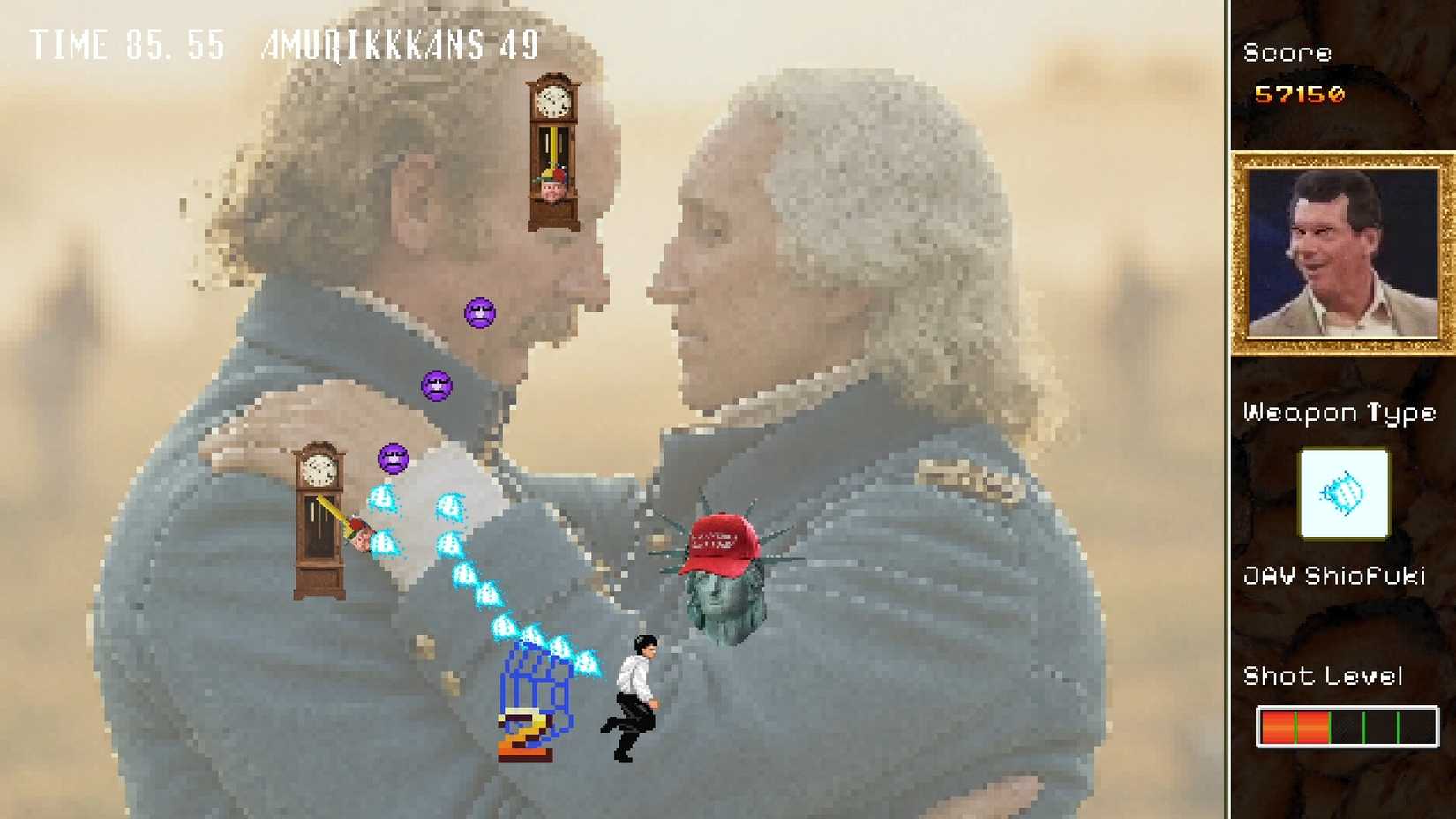 Hong Kong 2097 / Steam
It's worth being clear that what's happening here isn't the kind of censorship that gets written into law or delivered via court order. There's no Ministry of Acceptable Content issuing decrees. Instead, it's quieter and harder to challenge because it hides behind the language of risk management, brand safety, and Terms of Service. By 2026, this has become the dominant pattern. Age verification systems framed around child safety effectively function as mass surveillance infrastructure. Platforms adopt stringent content policies not because they're legally required to, but because the cost of not doing so, in reputational terms, feels higher than the cost of restricting their users. The internet is more fragmented and more moderated than it's ever been, and almost none of it required a single government mandate to happen.
The result is a creative environment where self-censorship becomes rational. Developers look at what happened to Itch.io and make quieter decisions: softer themes, less confrontational subject matter, safer framing. Not because a law says they have to, but because the infrastructure they need to distribute their work might stop working if they don't. That's an extraordinarily effective way to narrow what gets made without anyone having to admit that narrowing is the goal.

Related
10 Horror Games with No Enemies
Want to play a horror game without dealing with any enemies? We've got some recommendations for you.
What Actually Gets Lost
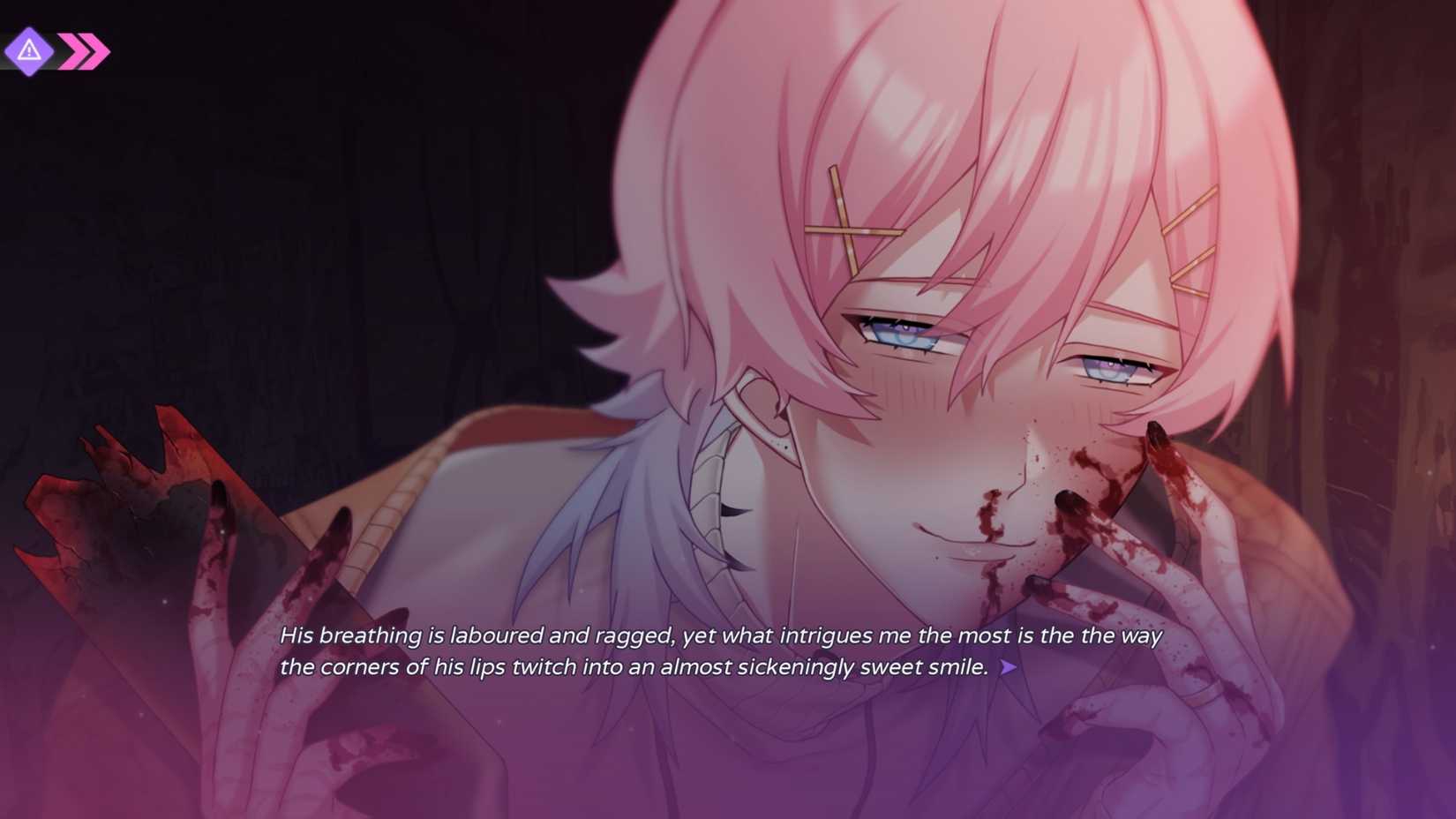 14 Days With You / itch.io
The thing that tends to get buried in these conversations is what actually disappears when creative risk becomes too costly. It's rarely the most commercially successful work that suffers most. Games with genuine cultural weight and distribution muscle find ways to survive. It's the smaller, stranger, more vulnerable work that gets caught in the crossfire. Games that deal with difficult subjects honestly, that don't resolve into comfortable conclusions and exist in the uncomfortable space where good art tends to live.
Doki Doki Literature Club matters precisely because it doesn't handle mental health the way a sanitized version of the topic would. VILE: Exhumed matters because it engages with uncomfortable realities rather than pretending they don't exist. These aren't games that exist to shock people. They exist because their creators had something to say, and the medium gave them a way to say it.
Losing access to that kind of work doesn't happen with a bang. It happens incrementally, game by game, platform policy by platform policy, until the space for it has closed. In a way, we are lucky that games like Doki Doki Literature Club are the ones affected, since they are successful enough to make us realize what’s happening. But the bigger question is what we get to do about it.
The Vote Nobody Got To Cast
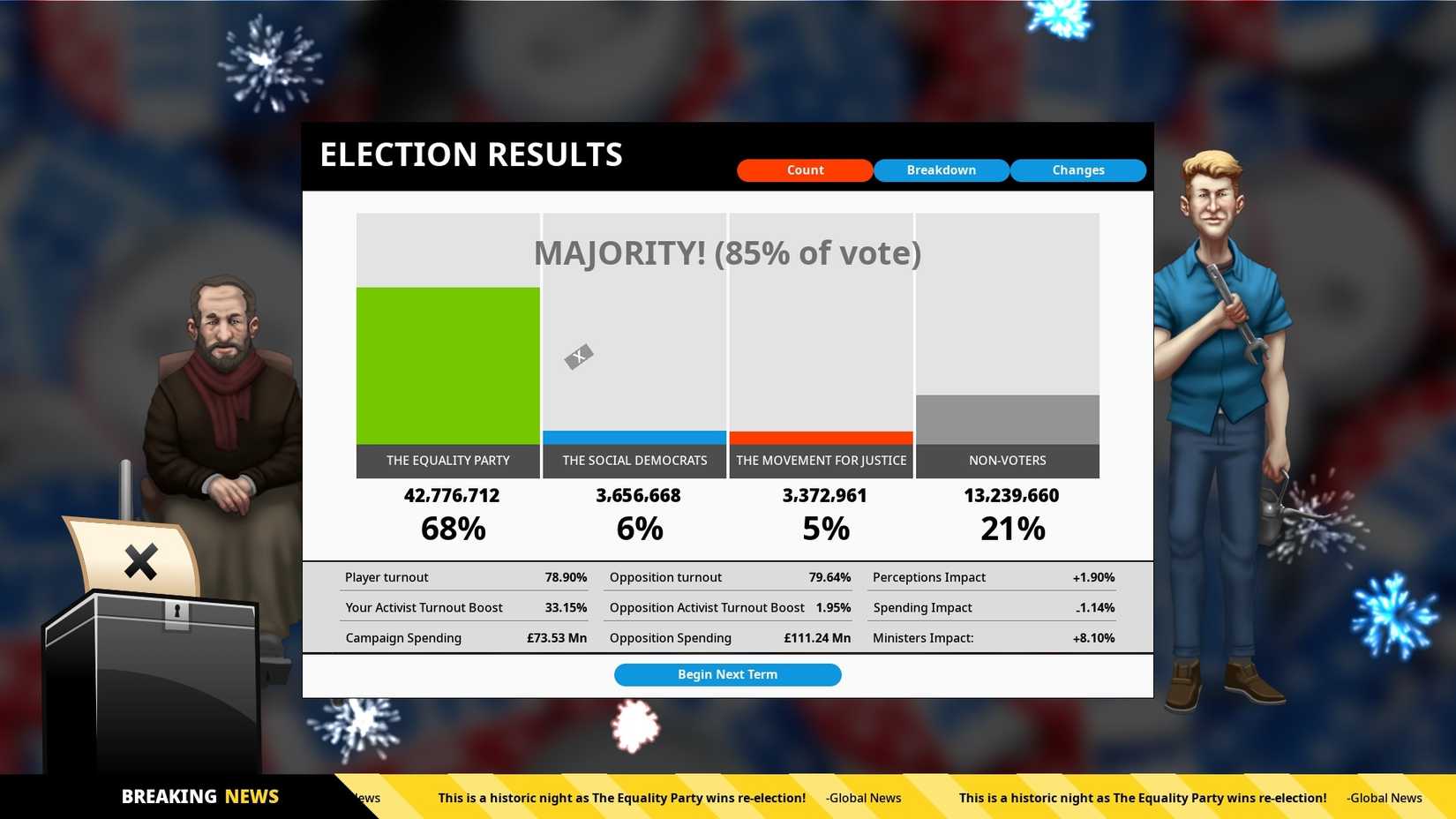 Democracy 4 / Steam
What ties all of this together is the absence of any meaningful democratic input. Nobody voted for payment processors to have editorial authority over creative content. Nobody elected Collective Shout to set policy for global storefronts. Nobody asked Google to decide that a game about depression was too sensitive to exist on Android. These decisions are being made within systems that were designed for entirely different purposes, by actors who have every incentive to minimize their exposure and very little accountability for what gets lost in the process.
The players who signed petitions, clogged phone lines, and showed up to investor meetings weren't being dramatic. They were recognizing something important: when the infrastructure of commerce becomes the mechanism of censorship, there's no obvious place to push back. You can't vote out a payment processor. You can't appeal to the democratic mandate of a Terms of Service document. All you can really do is make noise and hope that the reputational risk of being visible about it eventually outweighs the reputational risk that started the whole thing.
That's a fragile situation for anyone who believes creative expression is worth protecting. And it's one that will keep recurring until we have a more honest conversation about who we're actually allowing to make these decisions, and whether we're comfortable with that answer.

Next:
The Nintendo Switch Changed How We Play, And There’s No Going Back
We celebrate the Nintendo Switch for good reason, but its success changed more than just how we play.




![ELDEN RING NIGHTREIGN: Deluxe Edition [FitGirl Repack]](https://i5.imageban.ru/out/2025/05/30/c2e3dcd3fc13fa43f3e4306eeea33a6f.jpg)
 English (US) ·