.png)
 1 hour ago
4
1 hour ago
4

Published Jul 27, 2026, 3:47 PM EDT
Butcher's Ball wasn't done justice by HBO

George R.R. Martin's Song of Ice and Fire series is full of memorable deaths, and House of the Dragon is no exception. Readers of the Fire & Blood prequel series, which sets up the main events in Game of Thrones, were particularly looking forward to watching the show depict a certain Kingmaker's end. What they got in season 3 episode 6, however, was a series of nonsensical choices that betray the source material. And the worst part is that the disappointment was avoidable.
Spoilers follow for House of the Dragon season 3 episode 6 and the source material Fire & Blood.]
The character at the center of it all is the odious Ser Criston Cole (Fabien Frankel), the man responsible for many of House of the Dragon's tragic events. Throughout the last three seasons, the show's writers and directors have done a solid job of capturing why Cole would be motivated to sow discord between the Hightowers and Targaryens. Spurned, used, and abandoned, Cole is sick of rich lords treating him like an expendable sword.
In the books, Cole's death transpires during something called the Butcher's Ball. The important bits are more or less the same: Cole and his ragged crew waltz into a strange scene. There are bodies everywhere, but no one understands how they got there. While inspecting the corpses, Cole's gang is ambushed. In the show, they make quick work of the assailants — only to discover that they're surrounded. It's a trap within a trap.
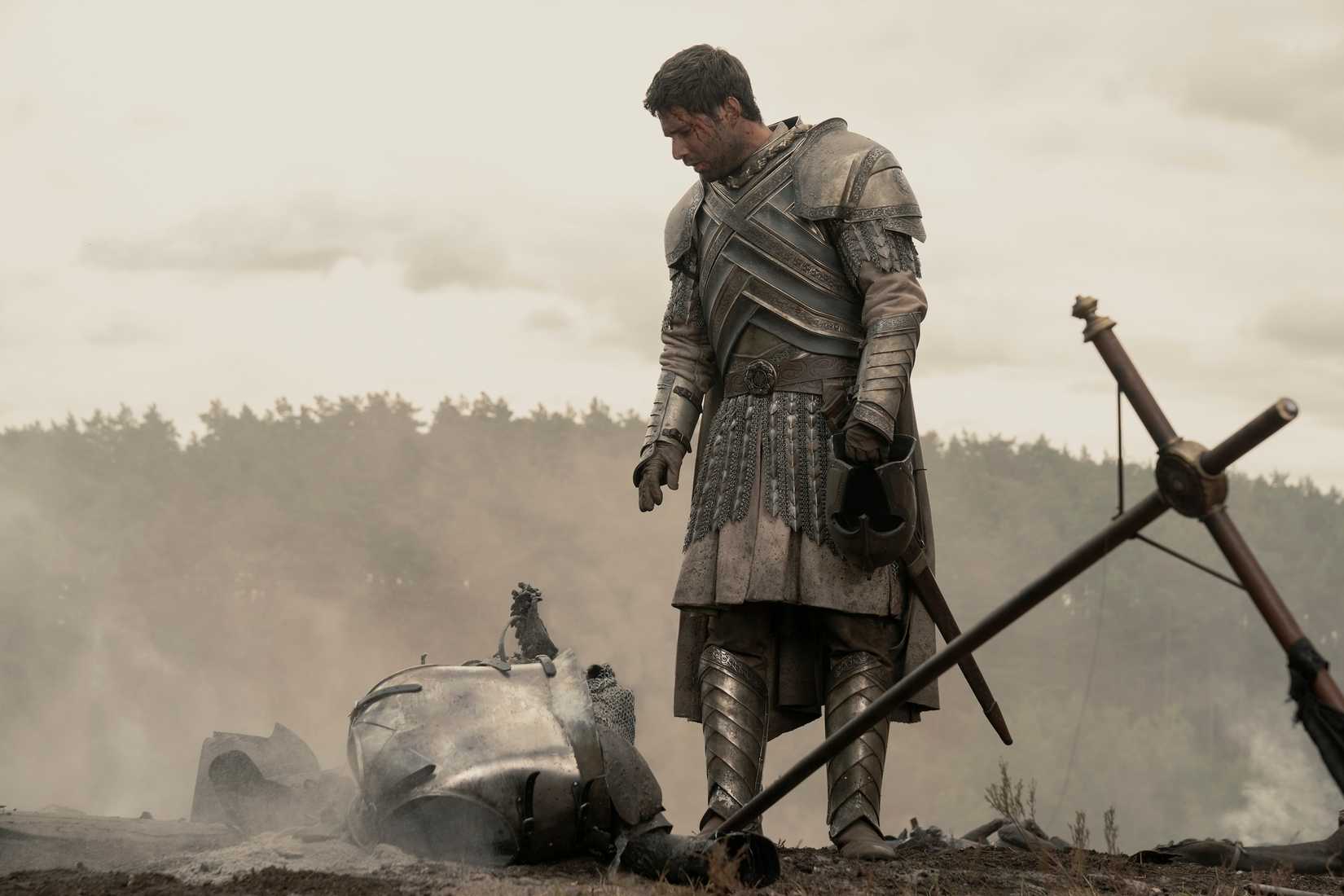 Photo: Theo Whiteman/HBO
Seeing that he's outnumbered, Cole offers a parlay to the Northern and Riverlands soldiers. He suggests a smaller fight between himself and Roddy the Ruin (Tommy Flanagan) and Oscar Tully (Archie Barnes). It's unclear if Cole truly believes he can win, but the proposition isn't terribly surprising. In an earlier episode, Cole tells fellow knight Gwayne Hightower (Freddie Fox) that he considers himself the best fighter in the realm. If he dies, Cole says, he'll do so in a blaze of glory. "They'll sing songs of it," he boasts.
But before the enemy commanders can accept his proposal, Cole is struck with multiple arrows. As he unceremoniously crumples to his death, the camera reveals that the killer is a smirking woman with heavy black makeup.
If you haven't read the books, the scene might be striking. After witnessing several years' worth of incel-like anger from Cole on the show, his fate seems poetic. If you have read the books, you probably noticed a glaring omission. In the original version, Cole still makes the same proposal. He's immediately killed by a different character who says, "I'll have no songs about how brave you died, Kingmaker. There's tens o' thousands dead on your account."
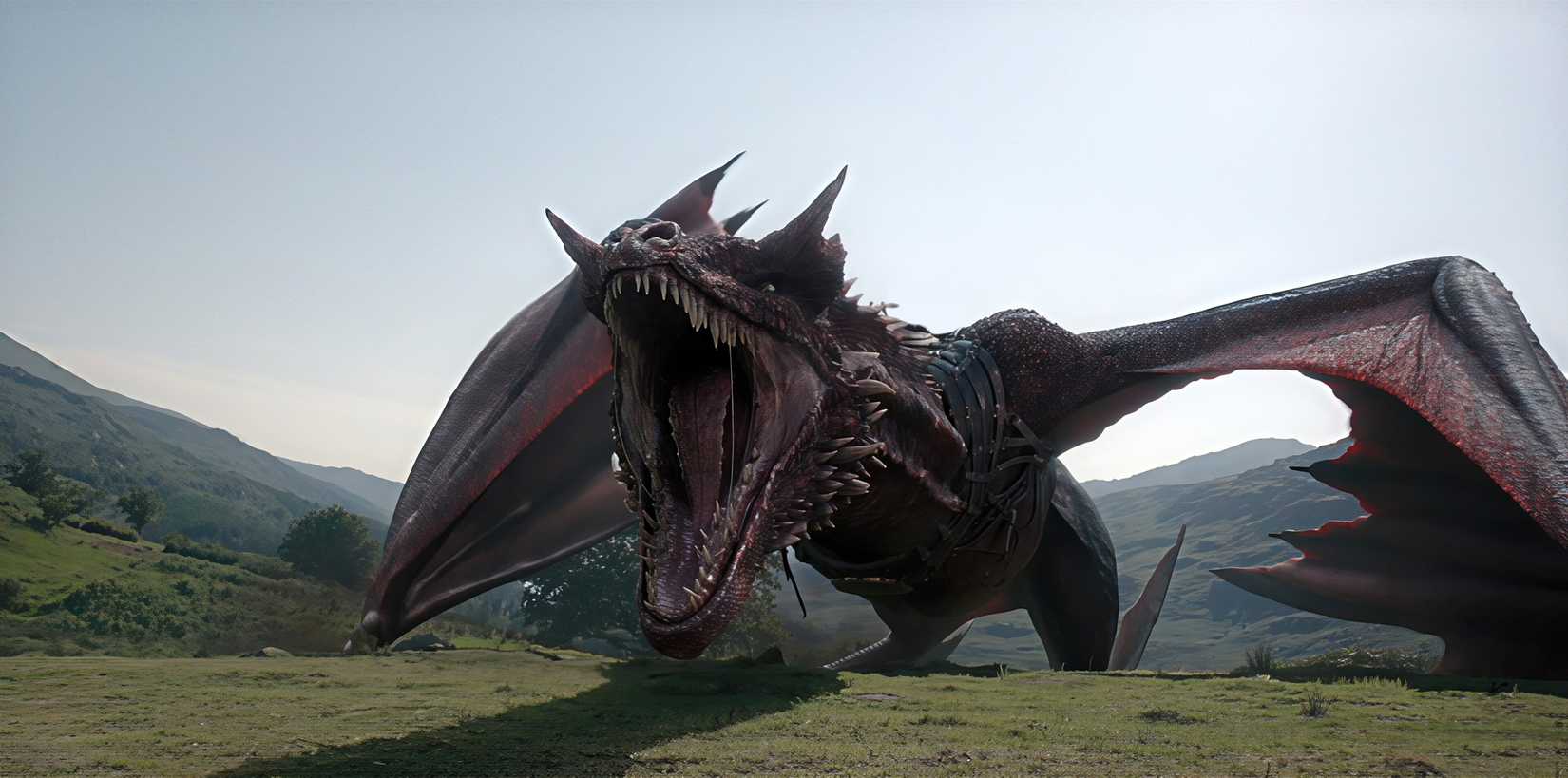 Sheepstealer is potentially a powerful asset, but so far he's just been a major liability.Image: HBO
The show doesn't have this line, nor does it include the character behind it. What makes this omission especially bizarre is that the writers had already teed it up. The lead-up to this moment saw Cole expressing a desire to have a legendary death — like a three-versus-one fight. Why not have a full circle moment? The lines could have been copied and pasted into the script.
The archer behind the death is baffling as well. She's supposed to be Alysanne Blackwood, a fierce archer known for avenging the death of her brother in the books. Despite her arresting costume, the show never identifies her. There are still two episodes left, so it's possible that Blackwood's story will be fleshed out. Turning her into a real character after assassinating one of the most important figures in the series would just add insult to injury. Seeing more of Blackwood in the next episodes wouldn't make Cole's death any less disappointing. Besides, this far into the season, there are more important storylines to wrap up than that of a tertiary character.
Fandoms are a fickle thing, especially when it comes to adaptations. Some treat changes of any sort as sacrilegious. House of the Dragon's decision to focus on queen Rhaenyra's relationship with childhood best friend Alicent, for instance, has proven contentious. In the wake of Game of Thrones' final season, where a bloodthirsty Daenerys Targaryen is killed by Jon Snow, fans seem particularly sensitive to Rhaenyra's characterization. Where the television version of Daenarys was criticized for her sudden heel turn, some fans view House of the Dragon's continued focus on Rhaenyra's inner turmoil during her reign as an overcorrection.
There's something real at the heart of these complaints. House of the Dragon's pacing can be a slog, and that's a surprising thing to say of a dramatic retelling of a dragon dynasty coming to ruin. I love the way Rhaenyra and Alicent have been reworked in this adaptation. I have still grown to feel like the show will find any excuse to trap the viewer in a room with these characters. These are legitimate complaints, yet they've been muddied by a more general sentiment that House of the Dragon is bad because it's 'woke.'
Criston Cole's death isn't bad because House of the Dragon tried to force an inclusive girl boss moment. There's a world where Blackwood is properly introduced and she's set up to say the iconic lines. Instead, all we got was Cole, dead on the ground, holding Alicent's handkerchief — a moment of deliverance brought about by a total stranger.



![ELDEN RING NIGHTREIGN: Deluxe Edition [FitGirl Repack]](https://i5.imageban.ru/out/2025/05/30/c2e3dcd3fc13fa43f3e4306eeea33a6f.jpg)
 English (US) ·