.png)
.png) 2 hours ago
3
2 hours ago
3


Published Jul 5, 2026, 5:30 PM EDT
Ewan is an experienced gamer with more than two decades of gaming under his belt, across consoles, handhelds, and PC. He's written for a variety of digital publications, including DualShockers, GameRant, The Mary Sue, and We Got This Covered.
Sign in to your DualShockers account
Final Fantasy X is the beloved tenth mainline installment in Square Enix's Final Fantasy franchise, and it's a fan-favorite for so many different reasons. Its setting, story, and cast of characters inspired a direct sequel, and it's been remastered as well. I know I'm not alone when I say it's one of my favorite games.
 Related
The world of Spira confronted us with some surprisingly deep concepts, even when we were kids. But there are some things about FFX that just hit completely differently when you're an adult. When you're a kid, sometimes you miss the subtext. Sometimes you miss what's right there in the text!
10 Tidus is Surprisingly Emotionally Mature
Not Just a Whiny Little Kid
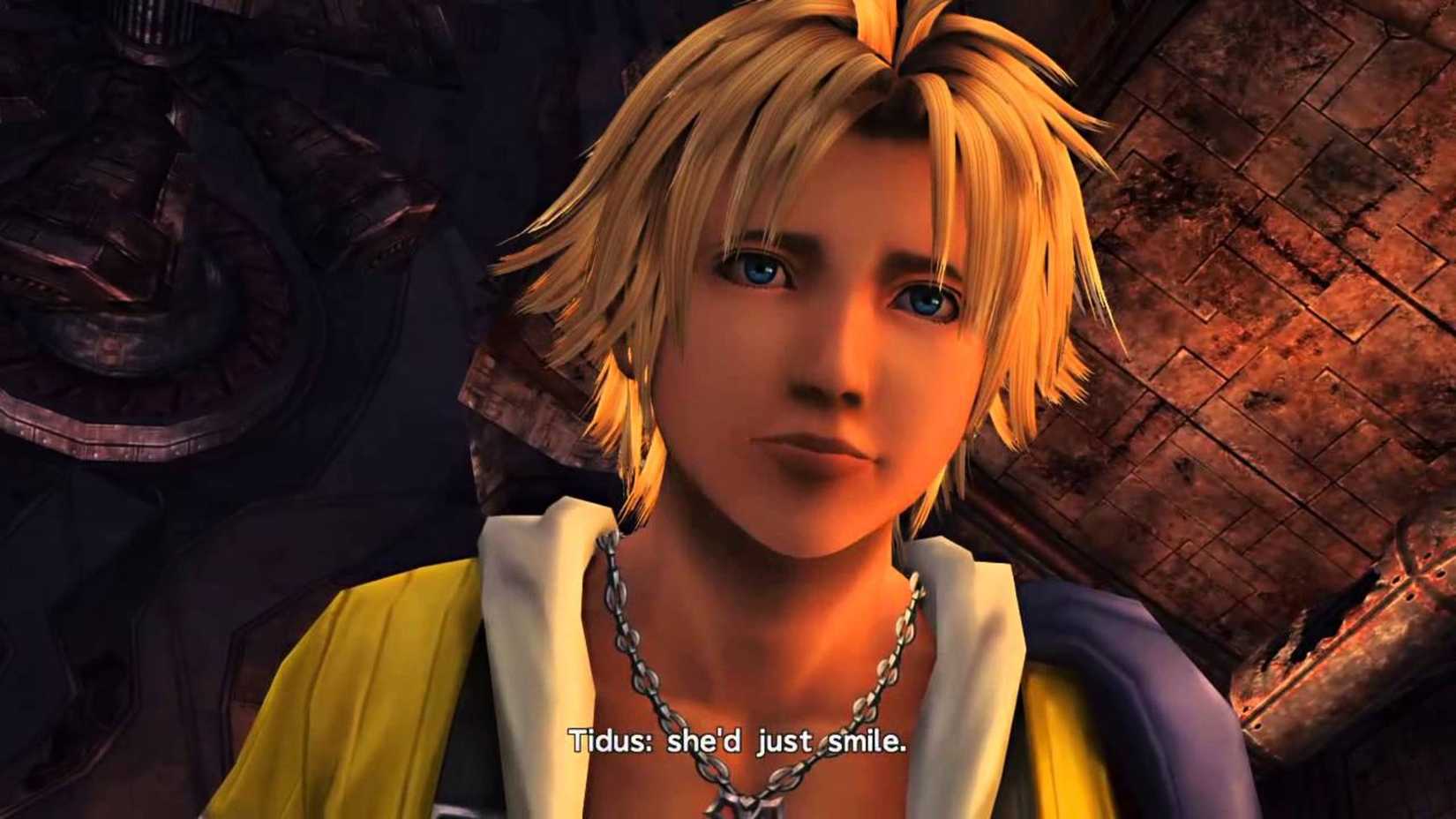
As a kid, it's easy to think Tidus is being whiny and immature, especially because he gets to go on a cool adventure. He's often remembered as loud, impulsive, and annoying. I remember thinking at various points in the game, "Just get over it!" Coming back to the game many years later, I realized he's surprisingly mature.
Strip away the superficial stuff, and he's actually pretty switched on. He's not afraid of showing fear, grief, or love. He supports his friends, challenges authority and tradition when they don't make any sense, and keeps moving forward even when things feel hopeless.
9 Prejudice Against the Al Bhed
It Makes a Sad Sort of Sense
 Final Fantasy Wiki
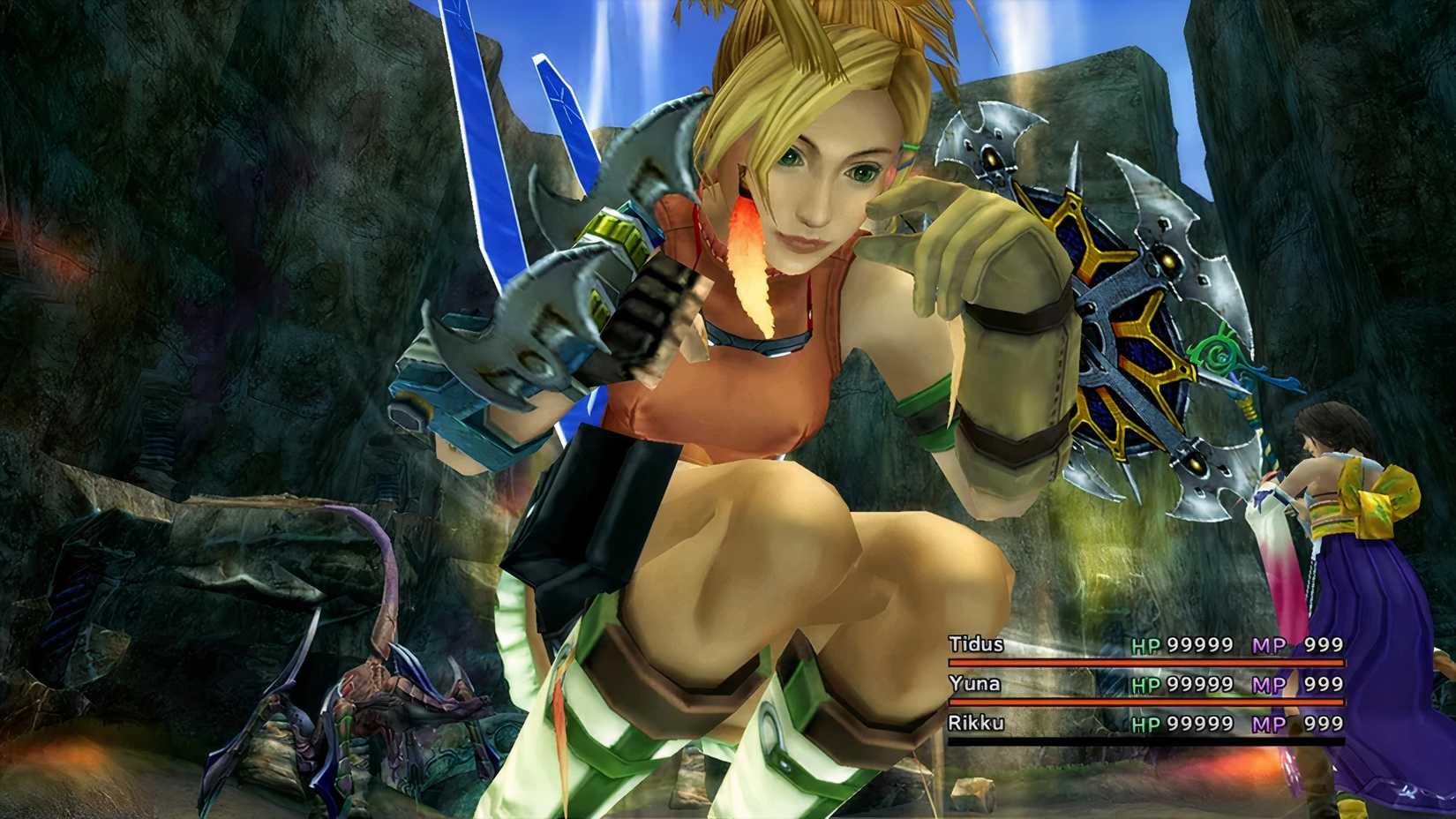
The tension between the Al Bhed and the rest of Spira reads like a typical fantasy conflict when you're a kid, but as an adult, you can understand the actually quite grounded portrayal of this type of prejudice. In universe, the Al Bhed are feared because they reject Yevon's central taboo against machina. This makes them an extremely convenient scapegoat, since society is told Sin will only disappear if everyone atones, and the Al Bhed refuse to atone.
Wakka's distrust and hatred of the Al Bhed comes across as cartoonishly and stupidly villainous as a kid, but when you go back to it as an adult, you recognize it for what it is: ignorance and fear of the unknown.
8 Yuna's Smile
It's a Mask, Even to Herself
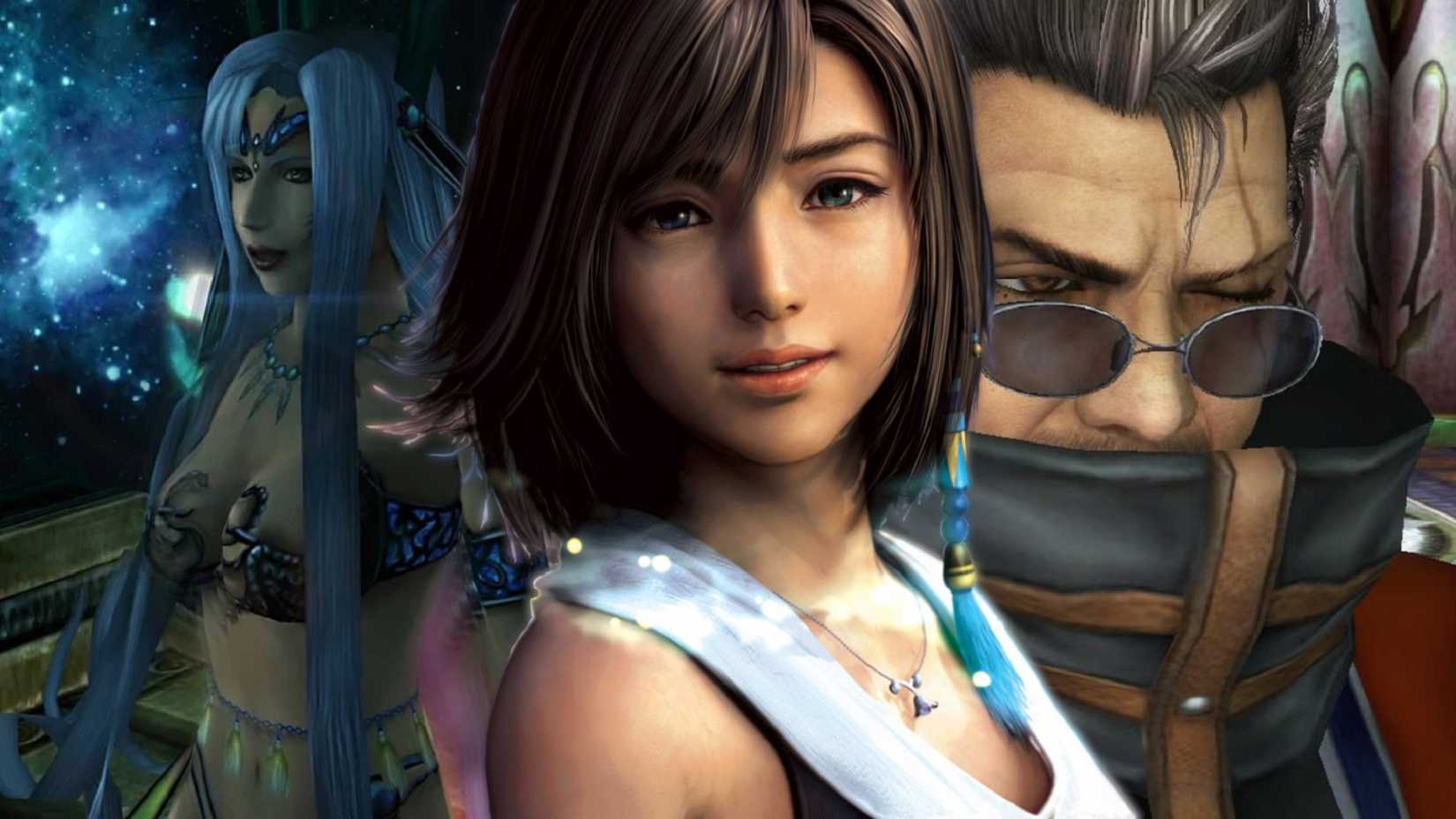
Playing through Final Fantasy X for the first time as a kid, I just thought Yuna was extraordinarily cheerful. She was going to be a respected summoner and defeat Sin. She was just genuinely enthused, and it showed in her behavior. Obviously, it didn't pan out that way; the game hits you over the head with the idea that actually, she's just putting on a brave face because she wants to make everyone else happy.
 Related
10 Best Final Fantasy Spinoffs, Ranked
Since you already know the first one, take a look at nine other great Final Fantasy spinoffs.
Which is definitely true and a core part of her story, but something hits a bit differently when you have a few more years under your own belt — you realize she's trying to reassure herself, too. Her brave face is a mask for the world and something she desperately wants to be true.
7 Everyone Is So Young
Literally Just Kids
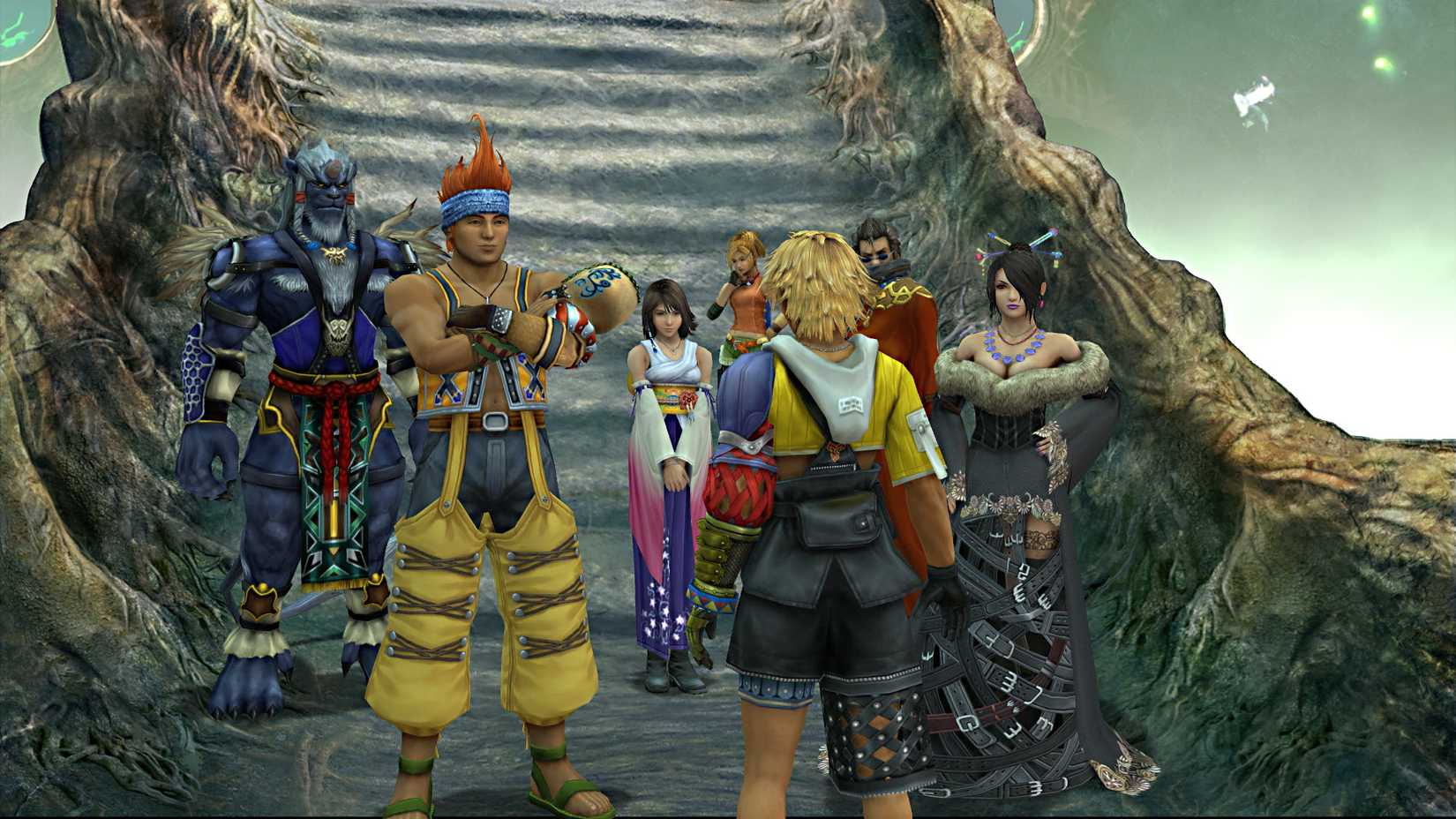
Tidus, Yuna, and Rikku are 17 years old during Final Fantasy X. 17. When I first played FFX, I was 11 years old. Everyone seemed so much older than me, so I didn't really clock it. I played the remaster not long ago, and realized I'm more than twice their age.
When you're a kid, this seems like an exciting journey, and you don't really think about how old everyone is or what they're doing. But as an adult, it just hits hard. These are kids, and Yuna is literally walking to her own death, with the rest of the world cheering her on. Even the adults are young — Auron is just 35.
6 Survivor's Guilt
We've All Failed and Wished We Hadn't
 Final Fantasy Wiki
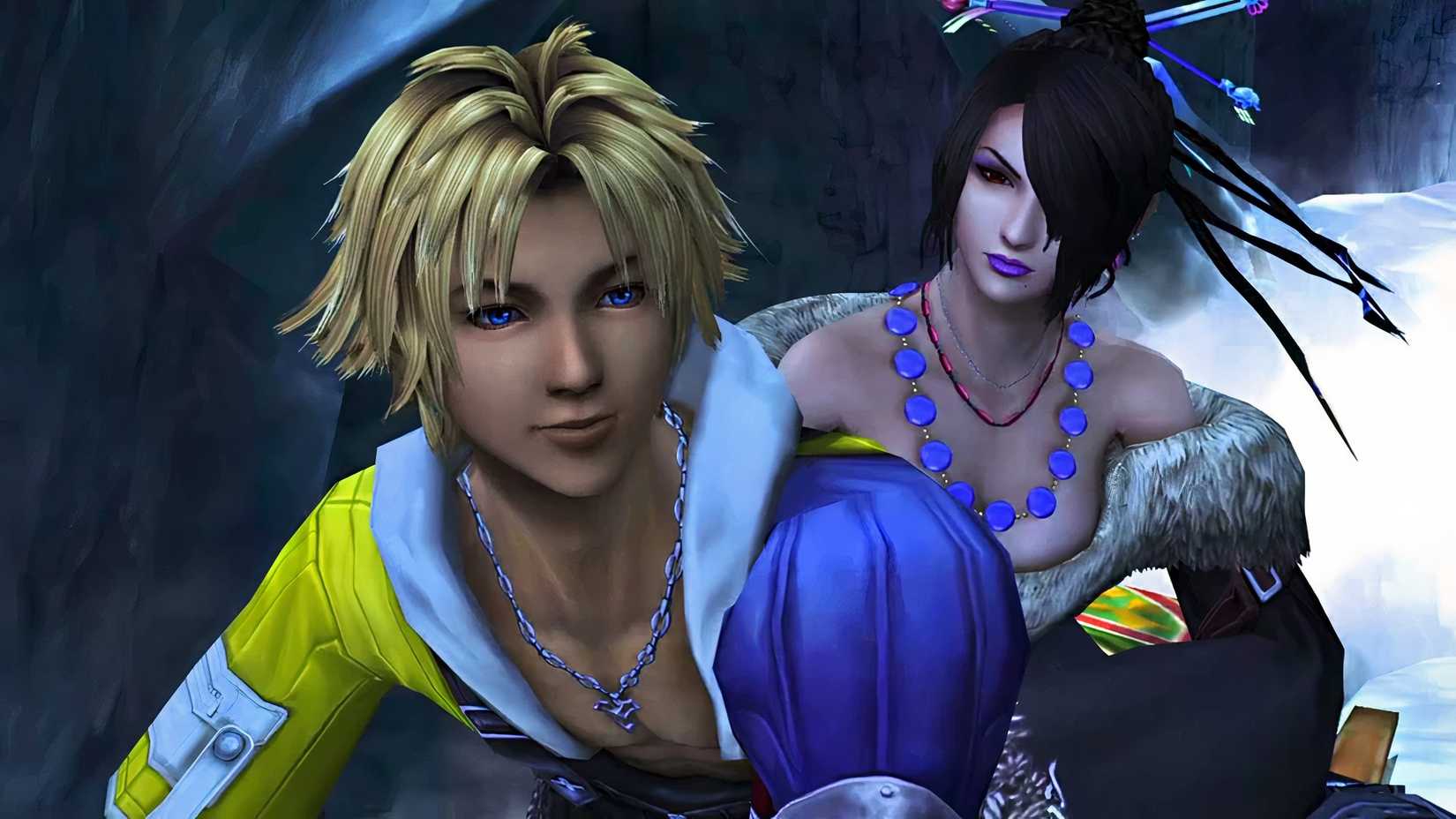
Survivor's guilt is a recurring theme throughout FFX. It's a core part of the story for Lulu and Auron, and you can see it play out with Besaid Crusaders Luzzu and Gatta, depending on which one of them dies during Operation Mi'ihen. As kids, it's easy to see FFX as a simple story about defeating Sin. There are some sad parts, some funny parts, and some parts that make you think.
But often, we lacked the essential context to understand what was really going on. Nearly every major character is carrying some form of survivor's guilt, whether it's Lulu's two failed pilgrimages, Wakka's struggle to move on after Chappu, or Auron holding onto life to fulfill promises to dead friends. It's easy to rationalize this away as a kid, thinking they should get over it, or it wasn't really their fault, but as an adult, we understand why it can be hard to let some things go.
5 Yevon's Corruption
It's Too Real Now
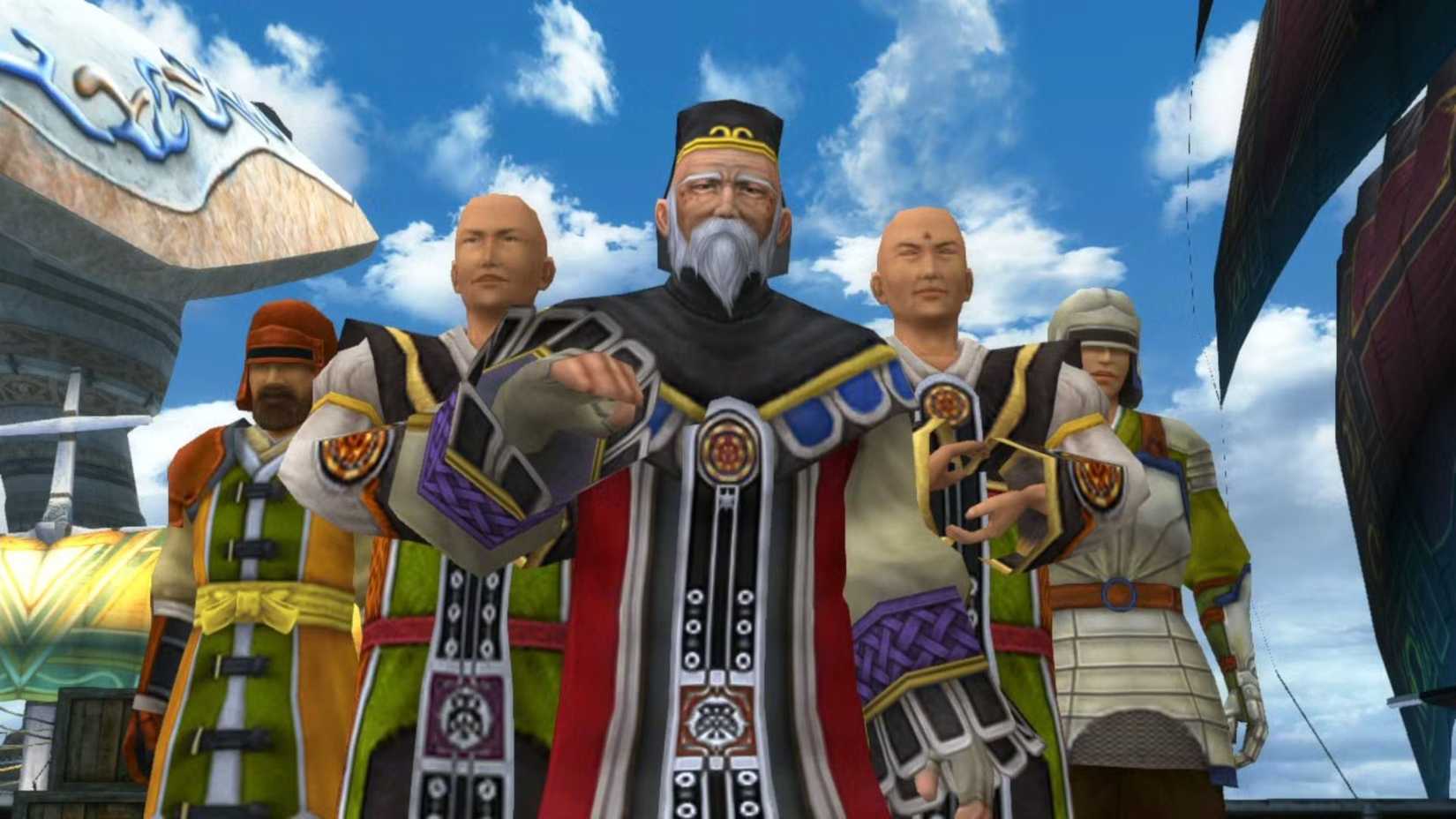
When you're a kid, Yevon's corruption is anger-inducing, but ultimately, it's just something from a fantasy world. It's a great part of the story and the setting, but it's just from a story... and you know things don't really work like that, anyway, so what does it matter?
As an adult, though, it feels much more real. We've all been around long enough to have experienced some form of institutional corruption, whether from community groups, national organizations, or even religious groups like Yevon. When you've got some genuine, real-world experience to draw from, Yevon's abysmal behavior makes too much sense, and it's all too relatable.
4 Auron's Grief
Grief Hits Harder When You Get It
 YouTube: ThePurestOne Gaming
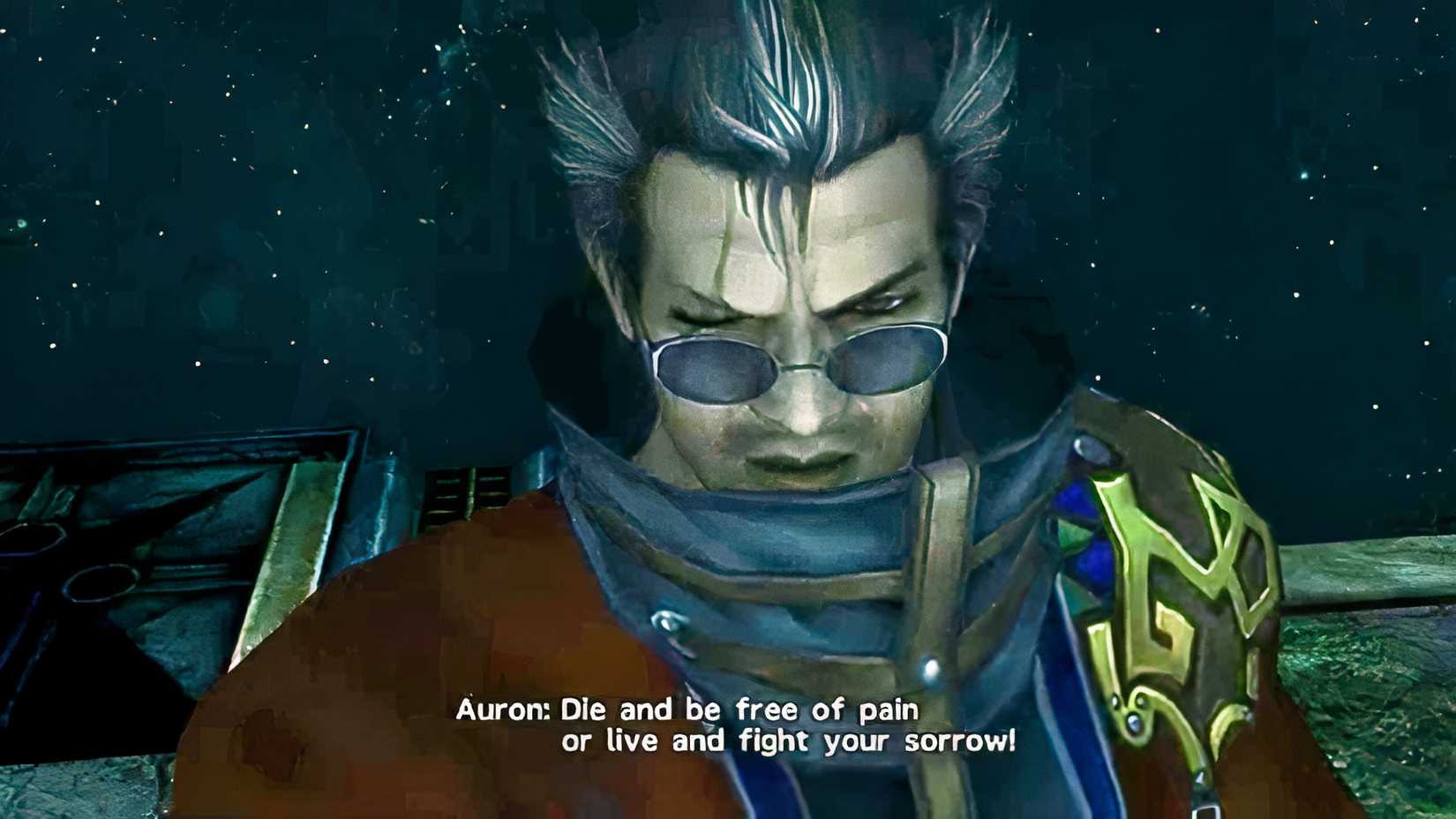
As a kid, you assume Auron is doing what he can to look out for Tidus and Yuna, his friends' children. His quiet, matter-of-fact approach to life in Spira can make him seem aloof and even uncaring at times, but he shows up. Then you realize that Auron is full of rage against Yevon. It's the thing that's defined his life since the start of Lord Braska's Calm. Sort of life, anyway, since as an unsent, he's technically already dead.
 Related
Except what you realize as an adult, that might not be so easily apparent as a kid, is just how powerful this kind of grief, guilt, and regret can actually be. When you see it play out in Auron's behavior throughout FFX, you can see that it drives every move he makes. Auron's story is about accepting grief and atoning for one's sins, and it's much more relatable as an adult.
3 The Cycle of Generational Trauma
Something You Can Only See Once You're Part of It
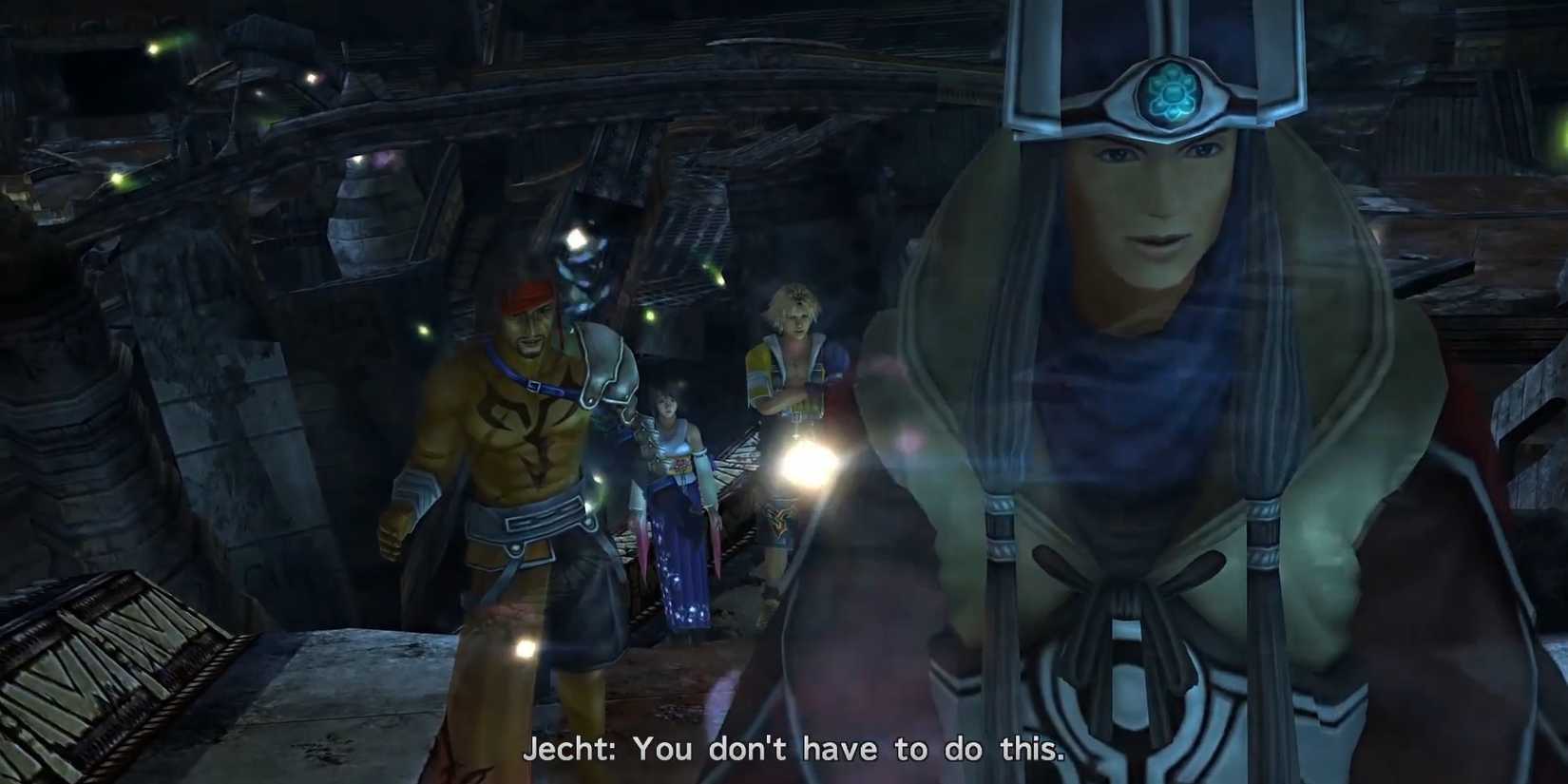
Spira is trapped in an endless cycle of generational trauma, where each successive generation of people suffers for the Sins of their parents. Spiran society is built on generations of fear and traditions that must be obeyed to avoid total societal destruction. The modern day is simply a warped reflection of the conflicts of the past. This is true on a big-picture level in terms of the setting, but it's also true on a personal level for the main cast.
Many of the main cast have to grapple with their own past, whether it's Tidus with Jecht, Wakka with Yevon's teachings, Yuna's understanding of duty and Braska's sacrifice, or Seymour and his parents' legacy. It's only through breaking this cycle that Spira — and the main cast — can move forward. When you're a kid, you either miss a lot of this or frame it as "parents are annoying." When you come back to it with an adult eye, it's relatable in a whole new way, because you see it from multiple perspectives — the child who had to deal with it, the adult who unwittingly perpetuated parts of it, and someone living in a society with its own cycle.
2 The Bittersweet Ending
Not Everything is Forever, and That's Okay
 Steam
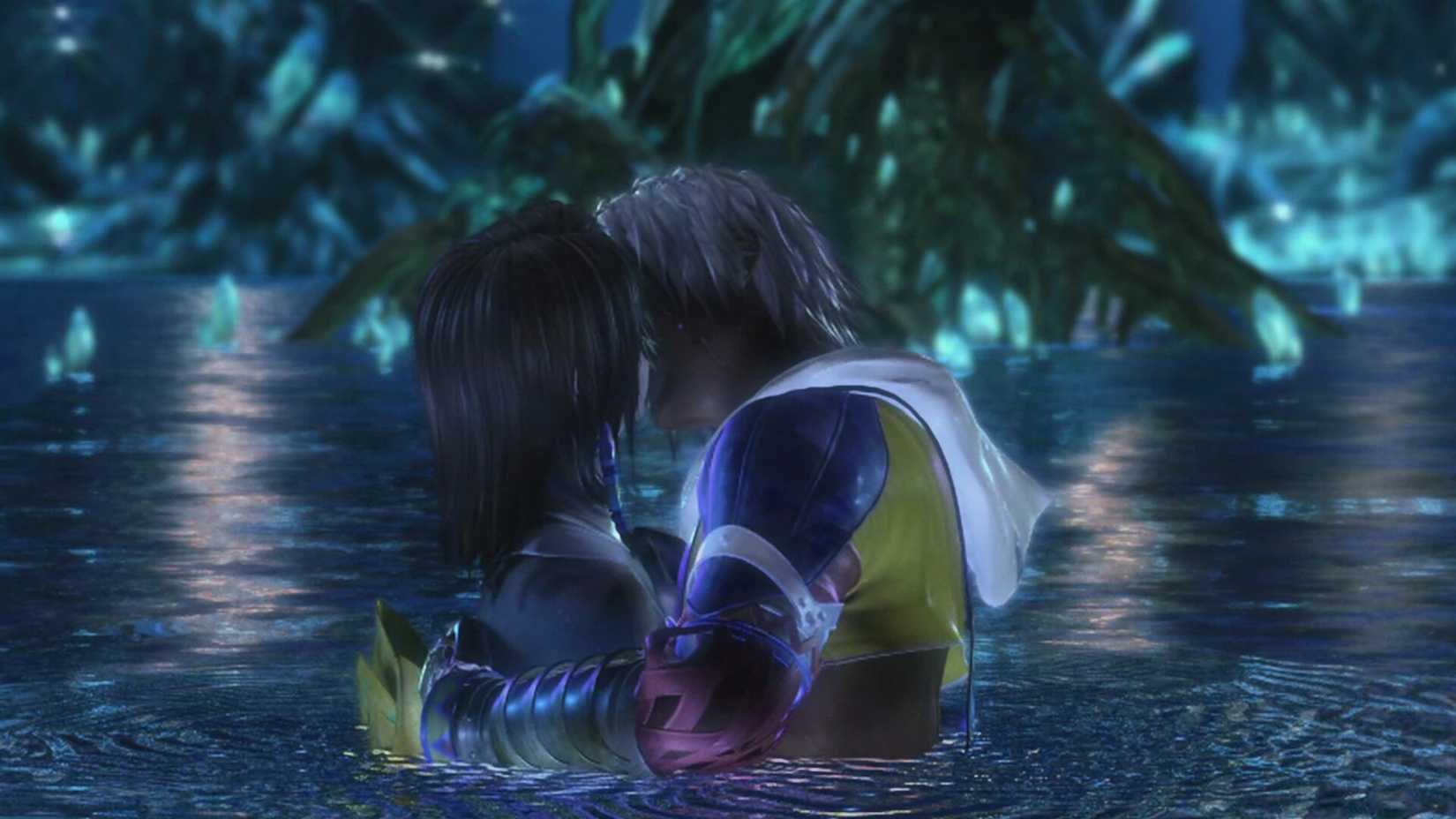
SteamFFX is a clear example of a journey that's more important than the destination. It's not about a saccharine happy ending, because you don't get one. You break the cycle of Sin and Calms, Yuna lives, and everyone can be happy... except Tidus disappears. The first time I played this I was extremely frustrated by Tidus disappearing at the end. It was an injustice, I thought. What was the point if he just "died" anyway?
Now, though, I appreciate that actually, just because something didn't last forever, it doesn't mean it wasn't worth it. It's not a perfect fairy-tale ending, and that's okay.
1 The Pilgrimage
It Feels Like Societal Madness
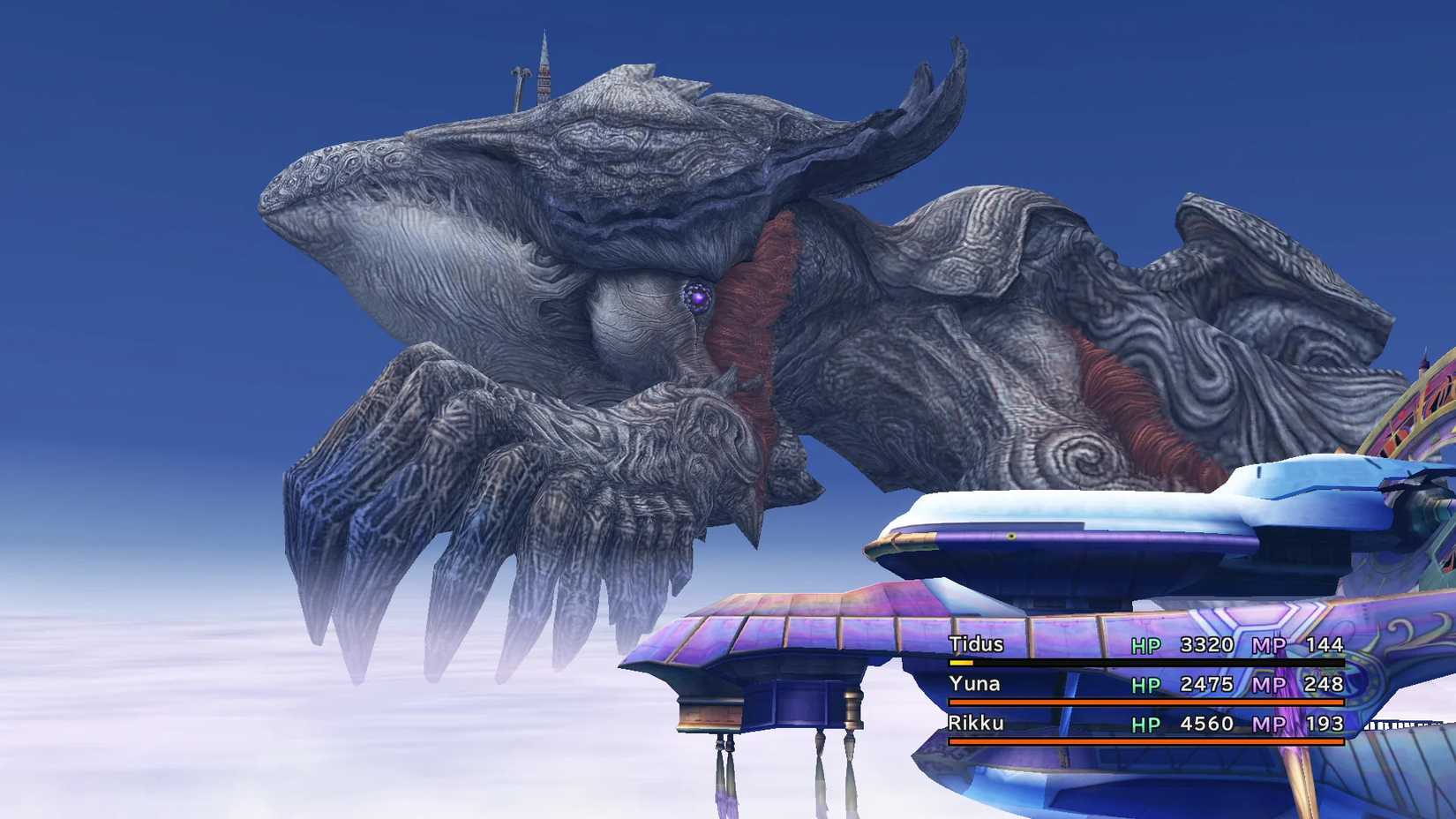
Fantastical journeys like FFX's pilgrimage are just part of these kinds of settings. "The summoner goes on a cool journey and learns special magic. Got it." It's a typical adventure hook, designed to give the game typical JRPG structure. Go here, do that, get that thing, repeat somewhere visually different.
Except it's a societal practice of suicidal sacrifice that almost everyone in the world of Spira buys into. Throughout the journey, people cry with joy at Yuna's passing; there's a sense of hope. As an adult, when you realize they're all celebrating the impending death of a child, you take a step back and think, "Wait, what?" In some ways, the linearity of FFX as forced by the pilgrimage is a metaphor for the life of a summoner: they walk a predestined path designed with only one end in mind. It's only when the script is ripped up that anything can change. And that's kind of relatable, actually.
 Next
Next
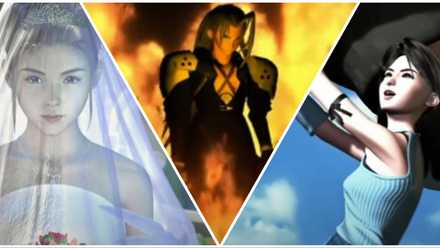
Every Mainline Final Fantasy, Ranked By Story
If you've ever concerned yourself with the best Final Fantasy stories from the games, I encourage you to look at our ranking of the mainline series.
Systems

Released December 17, 2001
ESRB T for Teen: Mild Blood, Mild Suggestive Themes, Violence
Developer(s) Square Enix
Publisher(s) Square Enix




![ELDEN RING NIGHTREIGN: Deluxe Edition [FitGirl Repack]](https://i5.imageban.ru/out/2025/05/30/c2e3dcd3fc13fa43f3e4306eeea33a6f.jpg)
 English (US) ·