.png)
.png) 1 month ago
19
1 month ago
19
The JRPG genre has had countless battle systems over the years, from the early days of straight-up turn-based battles to the more evolved ATB systems of the 90s. Over time, though, there are many systems that have disappeared.
The genre has either gone to full-on action gameplay or become stuck in basic turn-based systems without the bells and whistles that used to define the genre.
 Related
8 Most Revolutionary JRPGs Every Fan Needs to Experience
These are games for those who want to dig deeper into the genre.
We're going to check out some really great JRPG combat systems that need to make a comeback, either in a new iteration, or maybe in a remake/remaster of some older titles featured here.
10 Lost Odyssey
Hail to the Circle
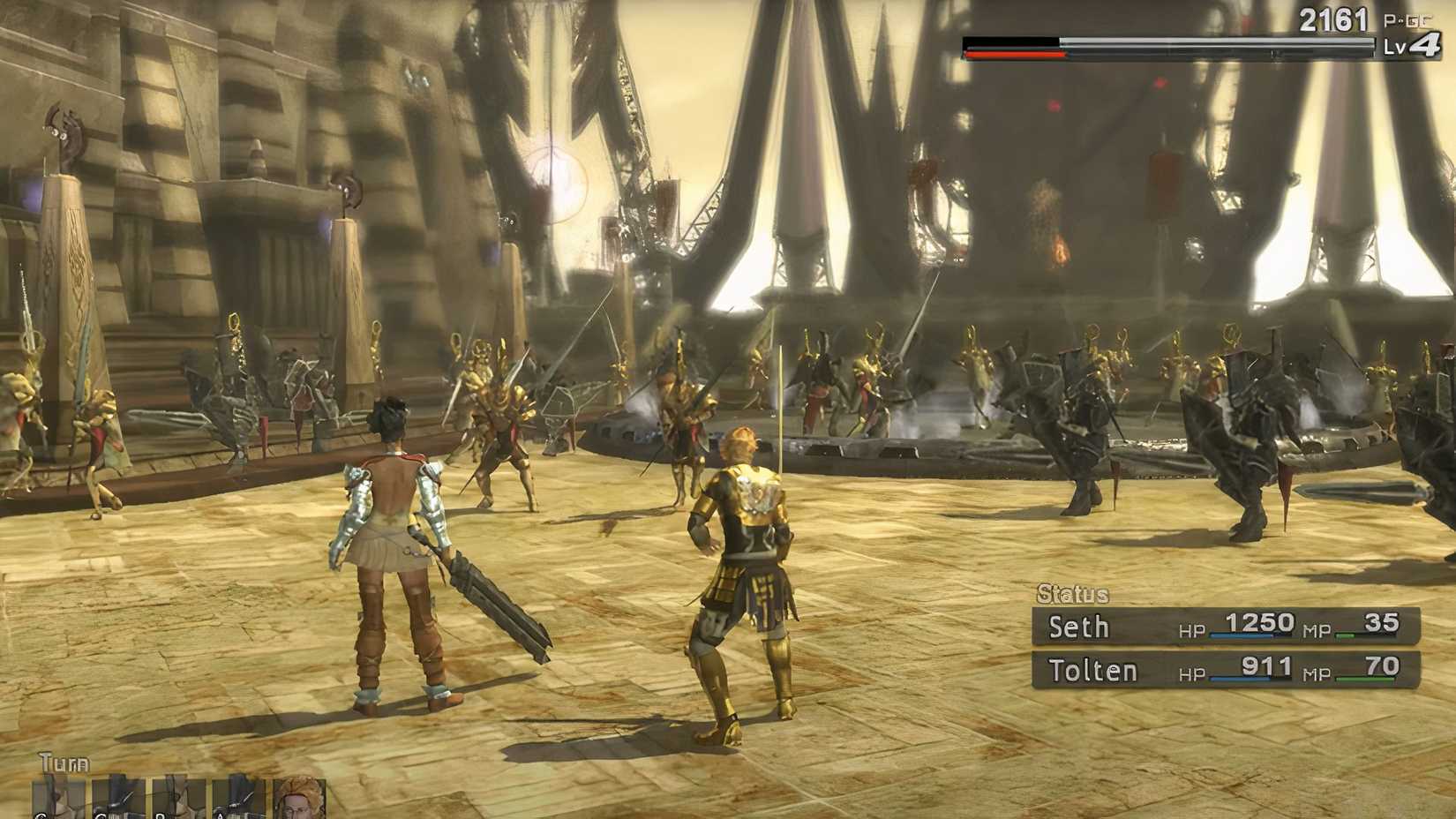
Lost Odyssey is definitely one of my top JRPGs of all time, and part of that is because the combat system is awesome. First, it lets you play 5 deep with your party, and that's an outlier in the JRPG world that typically limits you to 3; this is a great thing to see. But the best part of the combat in Lost Odyssey is the timing mechanism that governs the damage you do during the game.
It's this circle that closes in on another circle, and your timing has to be perfect to do the most damage. It makes you pay attention to every single fight, big or small, and failing can be the difference between getting through a fight unscathed and needing to waste some valuable resources.
There is also the novel way in which you learn abilities from the different characters in your party, with the Immortal characters learning from the various humans in your party throughout the game. There is just so much to love about this system, as the magic feels like classic Final Fantasy and the attacks all have this weightiness to them, and it's one more reason people consider this game the true Final Fantasy 13.
9 Legend of Dragoon
Addition by Addition
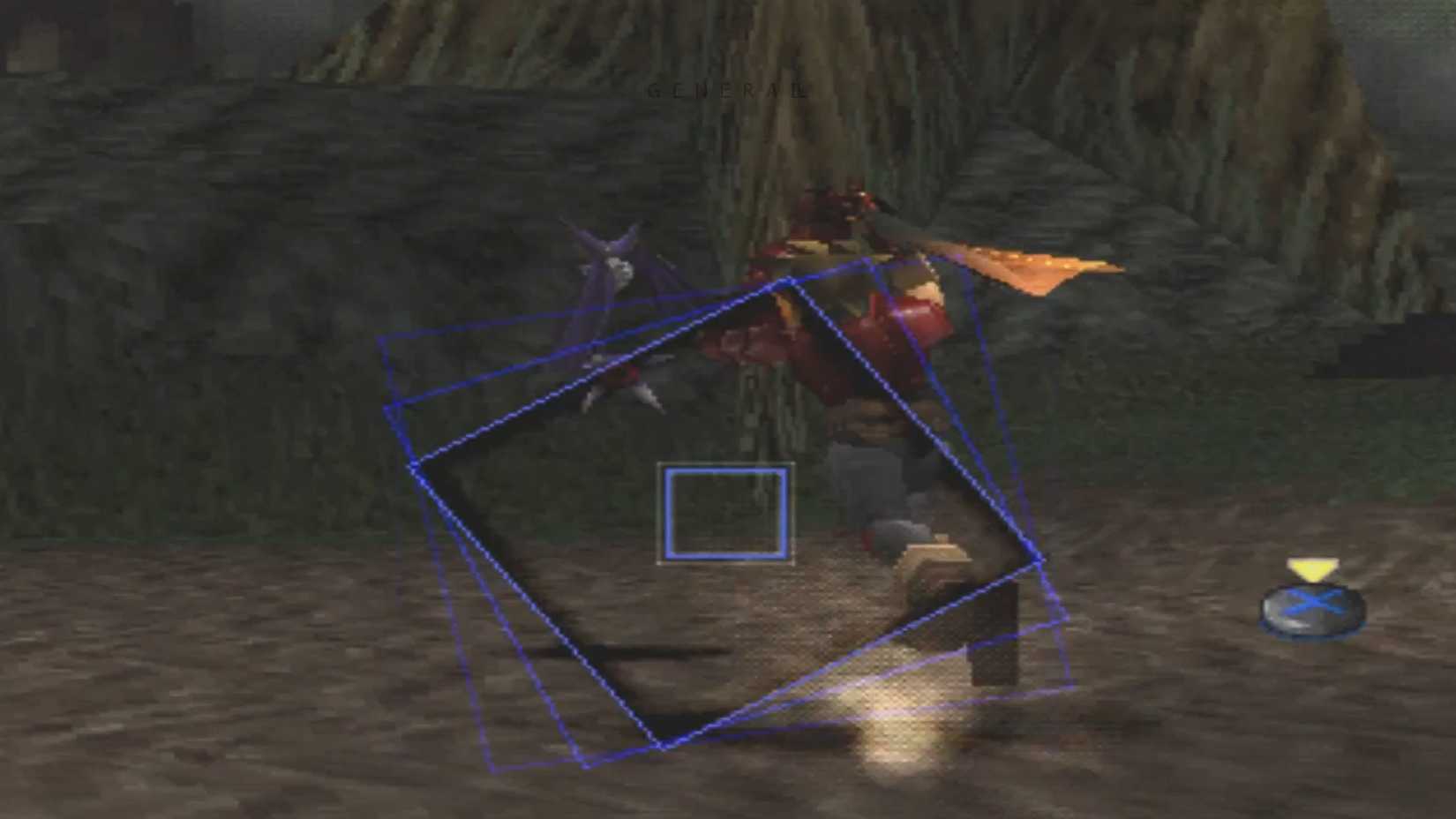
Legend of Dragoon was supposed to be the Final Fantasy killer when it released. While it might not have been exactly that level, it was still a damn fine JRPG with a combat system beyond any Final Fantasy game at the time. That system is the Additions system. It's an interactive way to make sure you're in every single fight, no matter what. The system is simple: each character, except for Shana (stuck with a truly horrible-looking bow), gets a set of combos to unlock throughout the game. When you start attacking, a square will zoom towards a smaller square, and you'll need to hit that square multiple times by pressing X throughout each combo to complete it.
But that's not where it ends. See, the enemy doesn't just sit back and get smacked. They can mess with your combo, and that's when the square turns red; if you don't hit the proper button, which is square, then the enemy ruins your combo, and you take the damage instead. As new combos unlock, they get more and more complex, with some delays thrown in there to make sure you're paying attention.
It also escalates once the Dragoon transformations happen, as you then get a new kind of Addition system where you have to time button presses on a spinning dial. There is so much that keeps you engaged here, and more games need to copy it. If you were paying attention to last year's behemoth, Clair Obscur: Expedition 33, a big reason for that game's success was the combat that was very much inspired by The Legend of Dragoon.
8 Valkyria Chronicles
The Complexities of War
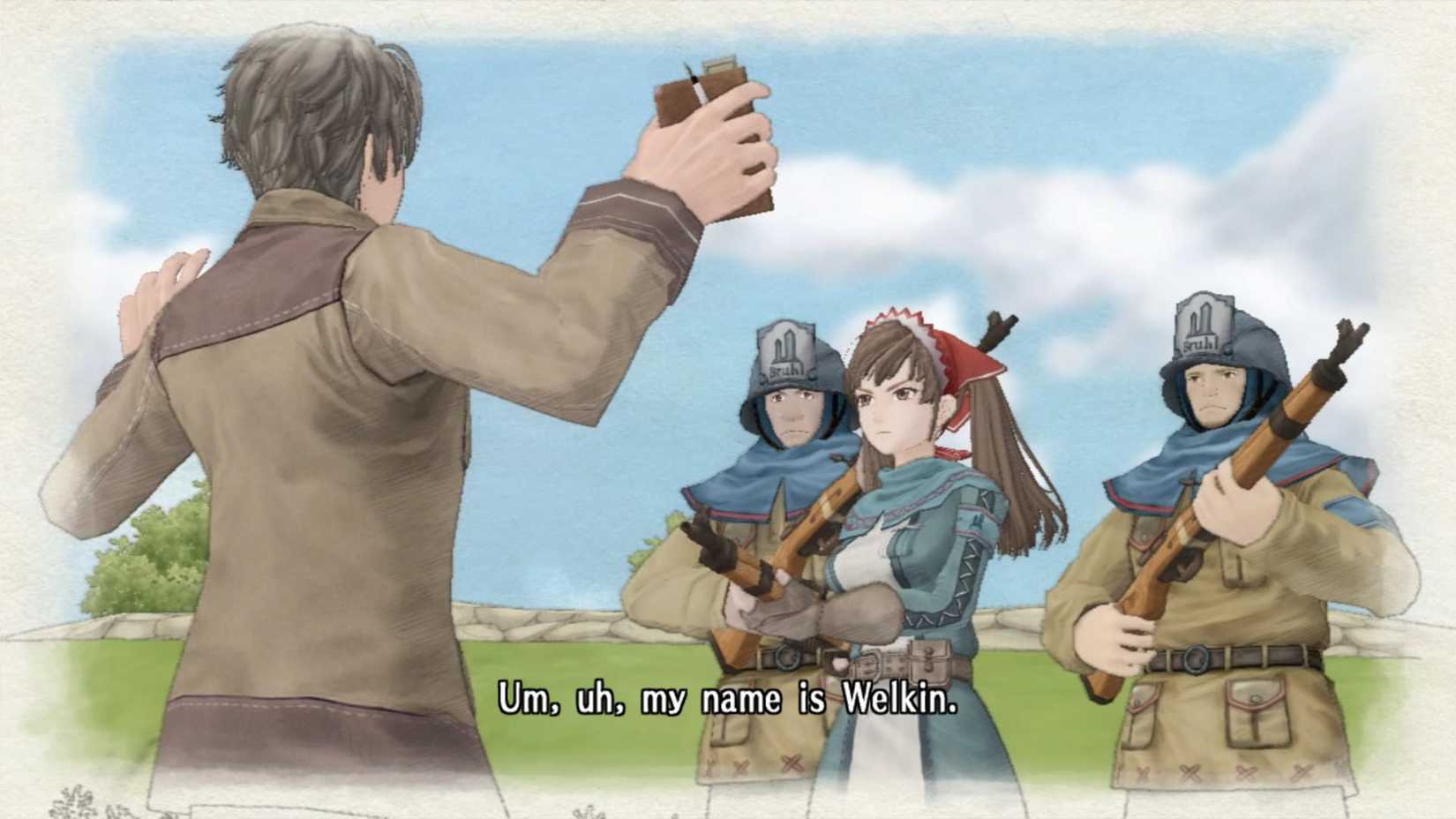
Valkyria Chronicles is one of the more interesting JRPGs out there as it reimagines World War 2 in the guise of an anime story. It's got some great storytelling, but most importantly, truly awesome combat. The combat is a mix of turn-based combat and real-time combat. You take control of a squad of soldiers, and each one has a different role in the battle, from medics to artillery specialists and everything in between.
The real-time combat has you aiming at enemies, taking cover, and shooting, so the mix of genres is really cool here, and the battle scenarios constantly change to make you rethink your strategies throughout the game. It's also got a lot on the line in the battles because these soldiers don't come back once they're taken down, so you need to play smart to keep everyone alive.
There are tons of different strategies to employ, a bunch of weapon types and unique abilities, and some really challenging fights. I remember the first time I played this game, I expected a ton of games to follow suit with this combat system. Unfortunately, it didn't happen. I can't think of any other game to use this kind of combat system. I don't know why, but I know it needs to be brought back, as it's one of the best.
7 Valkyrie Profile
A System Fit For the Gods
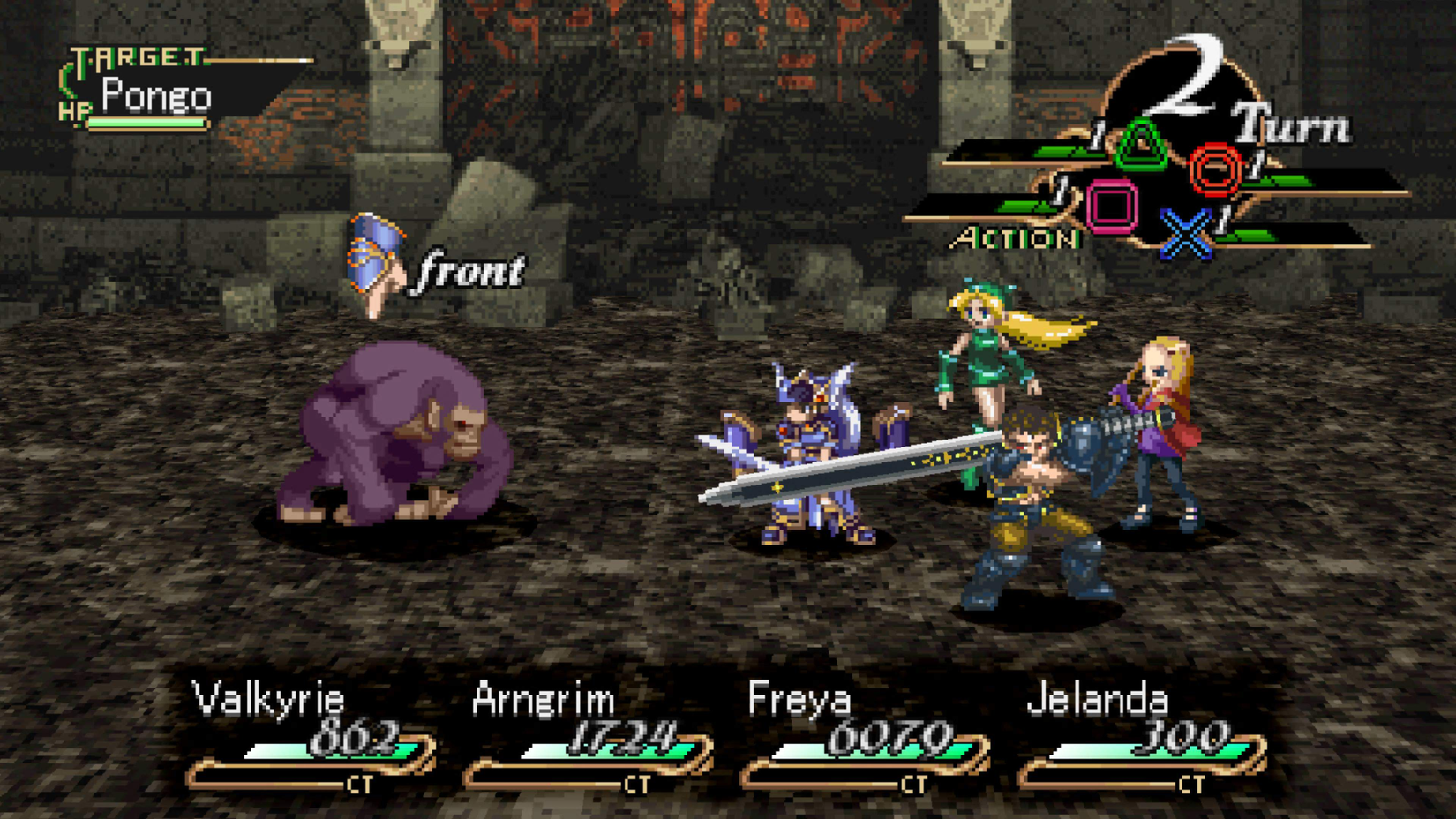
Valkyrie Profile is one of my favorites in the genre, and it has a combat system that needs to be brought back in the worst way. It's a combination of real-time and turn-based in such a unique way. Your team attacks all at once, and each character is bound to one button. Pressing that button causes that character to attack, but you can attack multiple times and knock your enemy into the air, which is key because then your other characters can attack. This is also the case for when you break an enemy's guard, and finding out how to get that weak point exposed is consistently fun as hell.
Once you hit an enemy enough times in their weak point, you can activate these massive super moves that all look fantastic and have some real weight to them. One thing I love about Valkyrie Profile's combat system is how much you can customize it; you can alter the amount of hits you have, the style of your attacks, and there is also a magic system that revolves around your melee characters collecting items on the battlefield to fuel their powers. It's also got some awesome controller rumble that makes the fight feel all the more impactful.
6 Xenoblade Chronicles 3
Directional Warfare
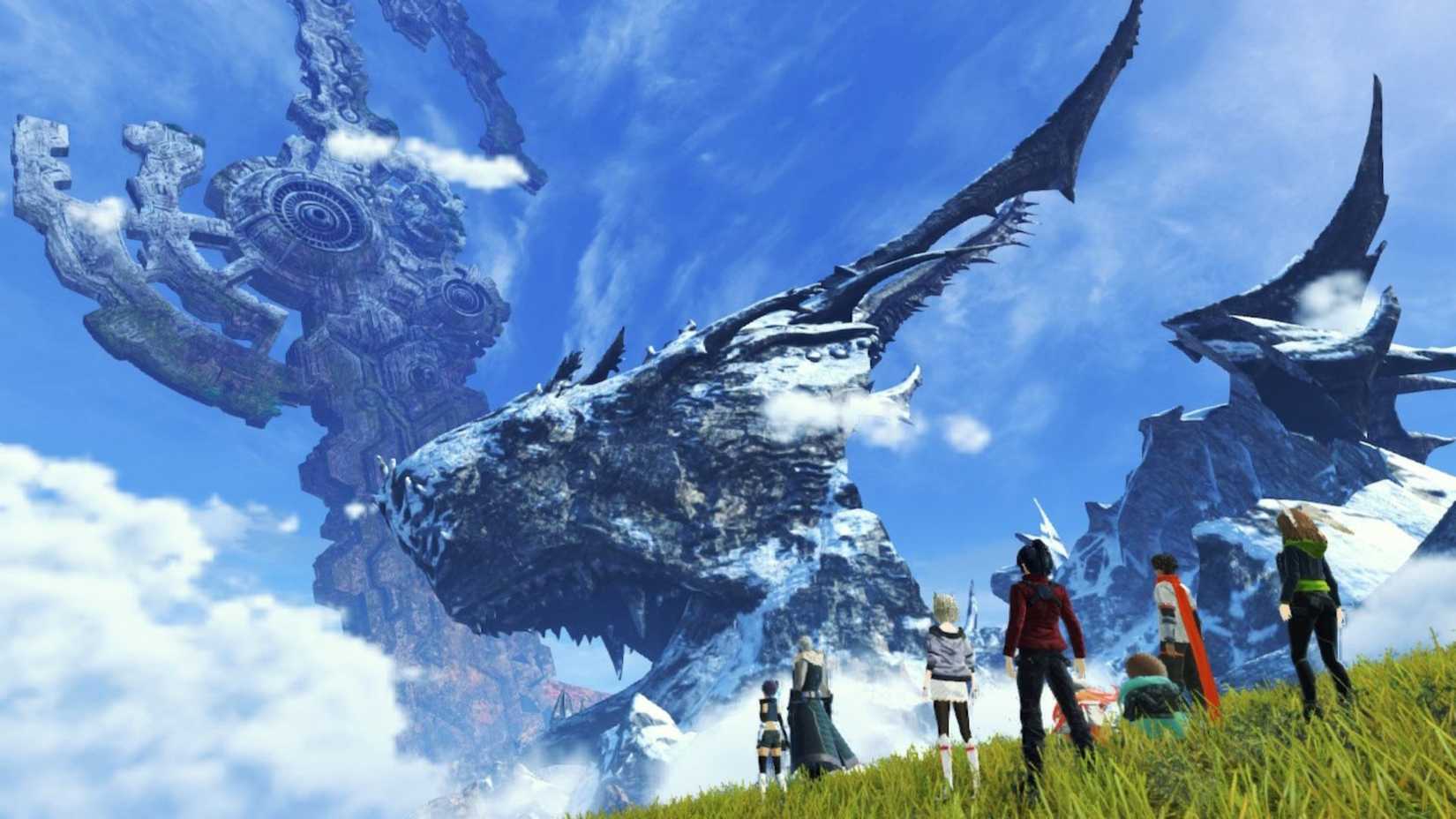
Xenoblade Chronicles 3 released in 2022, but the series has been long-running since the early 2010s, and for some reason, no other JRPG has caught on and used the excellent combat system that has defined the series for the past decade plus. The combat is frenetic as can be for a real-time system, and though it's got a lot of auto-attacking and things like that, it's still amazingly interactive. You need to be mindful of your positioning on the battlefield, manage several different gauges, switch between characters to maximize damage input, and also consider things like when to fuse with your party members to transform into powerful beings called Ouroboros.
 Related
It's a lot to manage, to say the least, but it's rewarding as hell, and some of the bosses in this game will take every bit of planning and execution you can muster in order to come out victorious. It's a war of attrition sometimes in these battles, and your ability to pull off your biggest attacks at the right moment is vital here. It's a great system that has you thinking at all times, and while it can be a little bit overwhelming, it's the perfect system for a big JRPG to use, and I wish more games would follow suit.
5 Shadow Hearts
Obey the Judgement
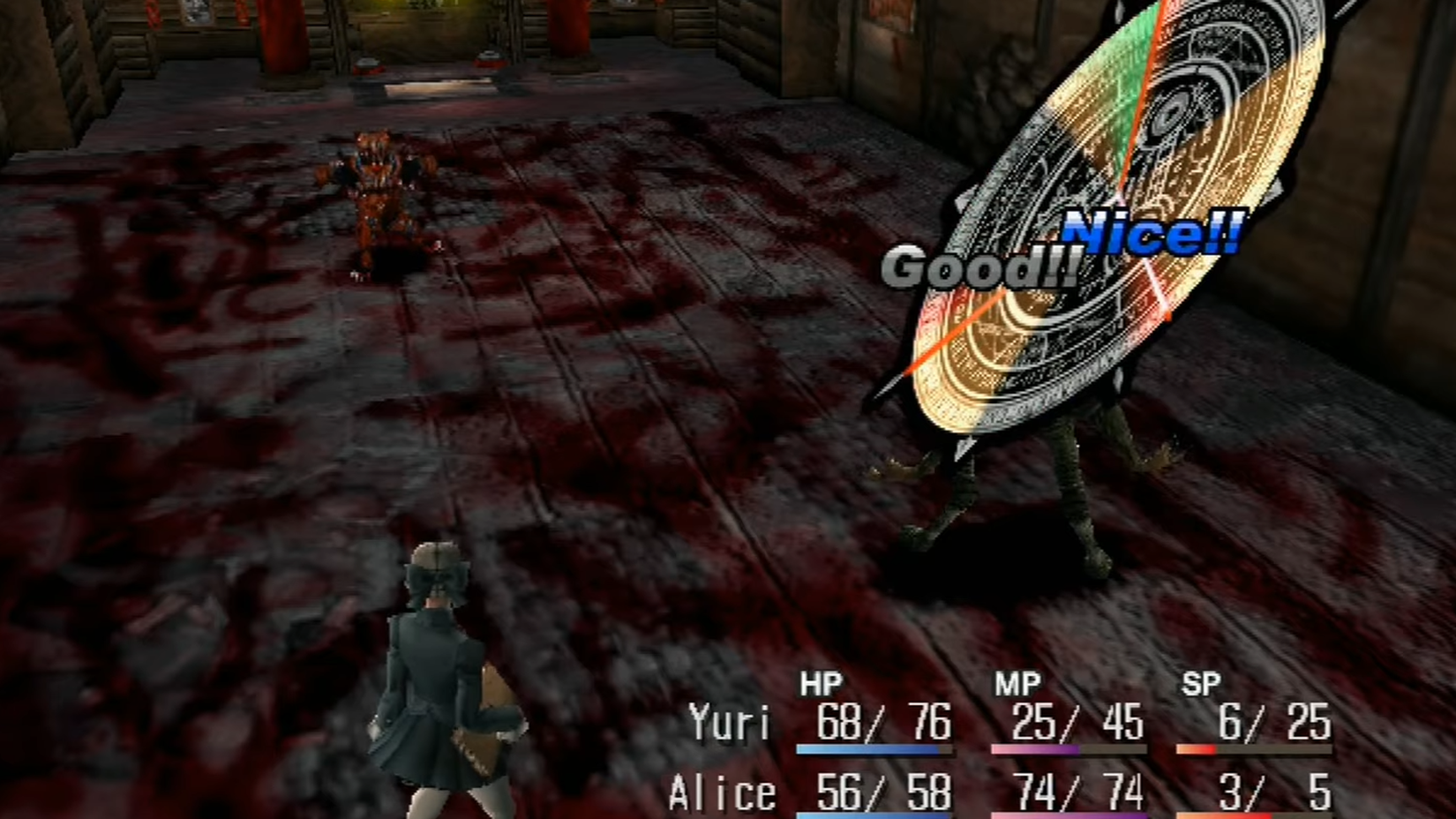
Shadow Hearts is a dark JRPG that really has its own essence to it. Part of that essence comes out in the combat, which revolves around the judgment ring. The way it works is that each character can hit multiple attacks per turn based on whether you hit the correct spots on the ring. It's a timing-based mechanism which lets you do maximum damage if you have great timing, and if not, you're going to struggle. I love the fact that the game demands more from you than just selecting an attack like most JPRGs.
The system is a bit more in-depth than that, as Yuri, the protagonist, can transform into multiple different monsters that all have their own unique magic attacks and special abilities, and you unlock more of these as the game goes on. It's a system that requires your full attention at all times, no matter what the battle is. The interactivity is second to none when it comes to JRPGs, and it's a wonder that it hasn't been utilized more.
4 Kingdom Hearts
The Perfect Fusion
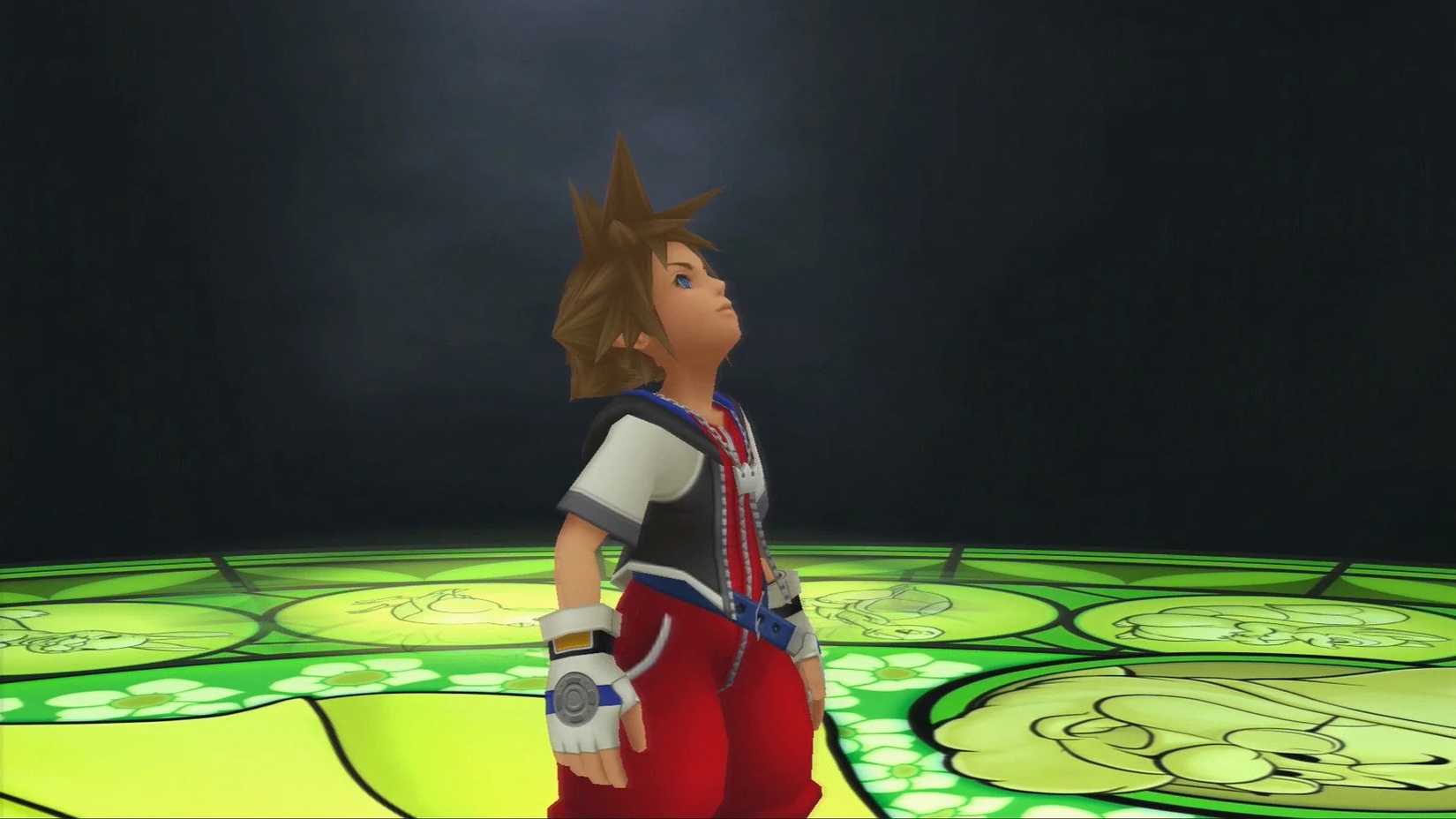
Kingdom Hearts is one of the all-time JRPGs, and the combat is some of the most unique out there. It's got the spirit of Final Fantasy games with the list-based action system, but the gameplay is fully real-time. So how it works is you select the attack command when you want to do basic combos and switch it when you want to use magic and items. You can also hotkey the magic and items that you want to use, which is one of the first implementations of hotkeying abilities that I can remember.
I don't get why more JRPGs don't choose to emulate this system. It has command-based elements while allowing for a ton of flexibility, and it also requires quick timing on the parries and blocks, adding even more to consider while you're fighting. I guess some might think the system is a bit overwhelming, and for those who dive really deep into it, it can get a bit complex, but it's also playable perfectly fine at the surface level, and it's one of the most fun systems of the JRPG genre.
3 Resonance of Fate
I Don't Know What's Happening, but I Love It
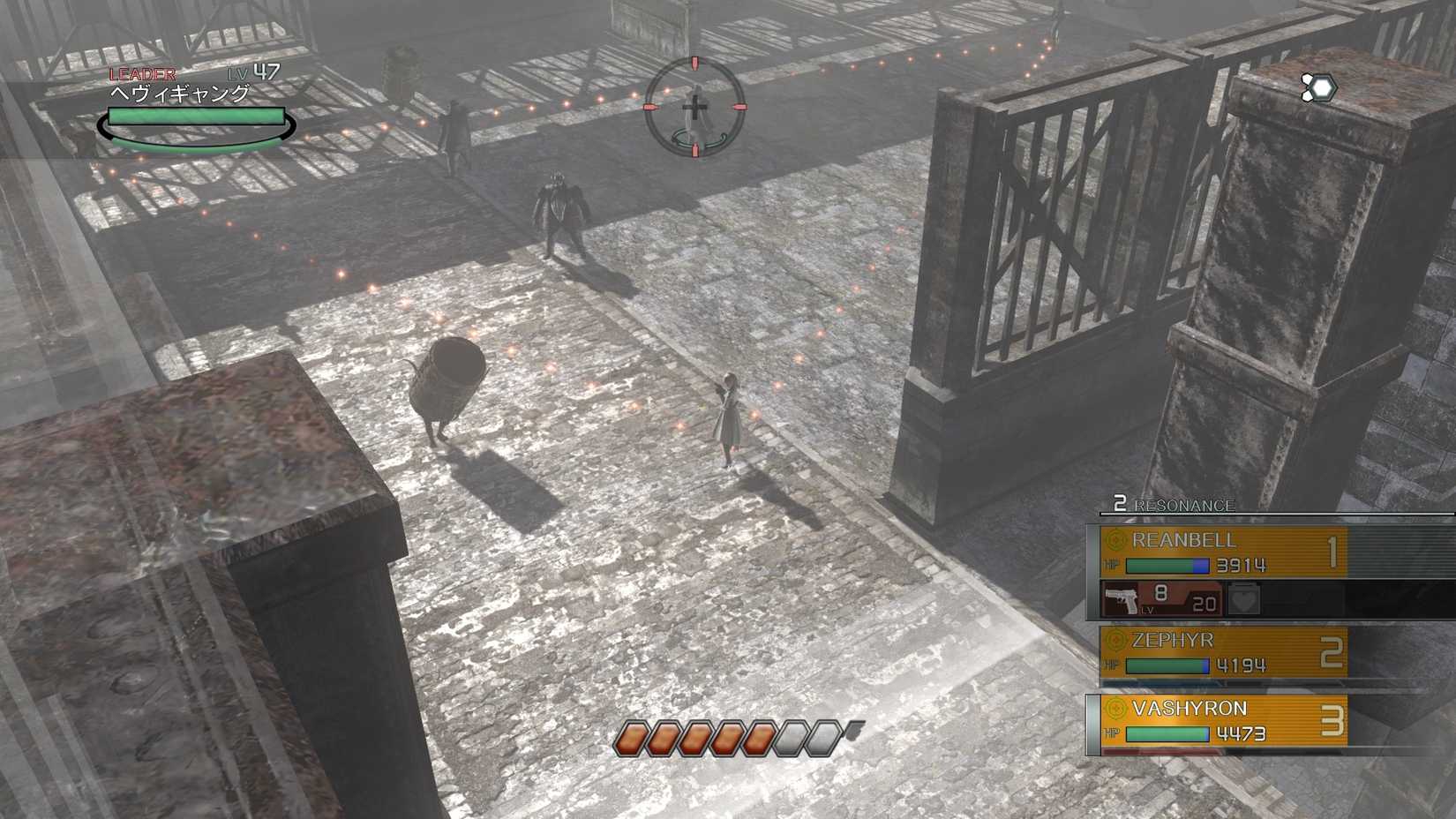
To describe Resonance of Fate's combat, I'm going to refer to a scene from South Park where Towlie is blitzed out of his mind playing a video game, smiling, and goes, "I have no idea what's going on right now." That's me playing Resonance of Fate. I have no idea what I'm doing, but damn, if it isn't awesome to watch play out on the screen. I'm going to do my best to describe the combat here. You have two kinds of damage called scratch damage and direct damage. Scratch damage does a lot of damage really fast but can't finish enemies off, and direct damage is much slower to fire off but can finish off enemies.
On top of that, there are items called Bezels that you'll find that give you hero actions. You get more Bezels by killing enemies or breaking off a piece of a big enemy during combat. Bezels fuel everything pretty much, and without them, your party is doomed. Does that sound complicated? Well, yeah, it's insanely complicated, but once you get it humming, the game is a hell of a lot of fun. The animations are insane, and the guns feel weighty and powerful. It's a system that could be used for a ton of different types of JRPGs, but only one was brave enough to try it. I applaud you, Resonance of Fate. I still have no clue what I was doing while playing you.
2 Final Fantasy VIII
Gunblade Trigger
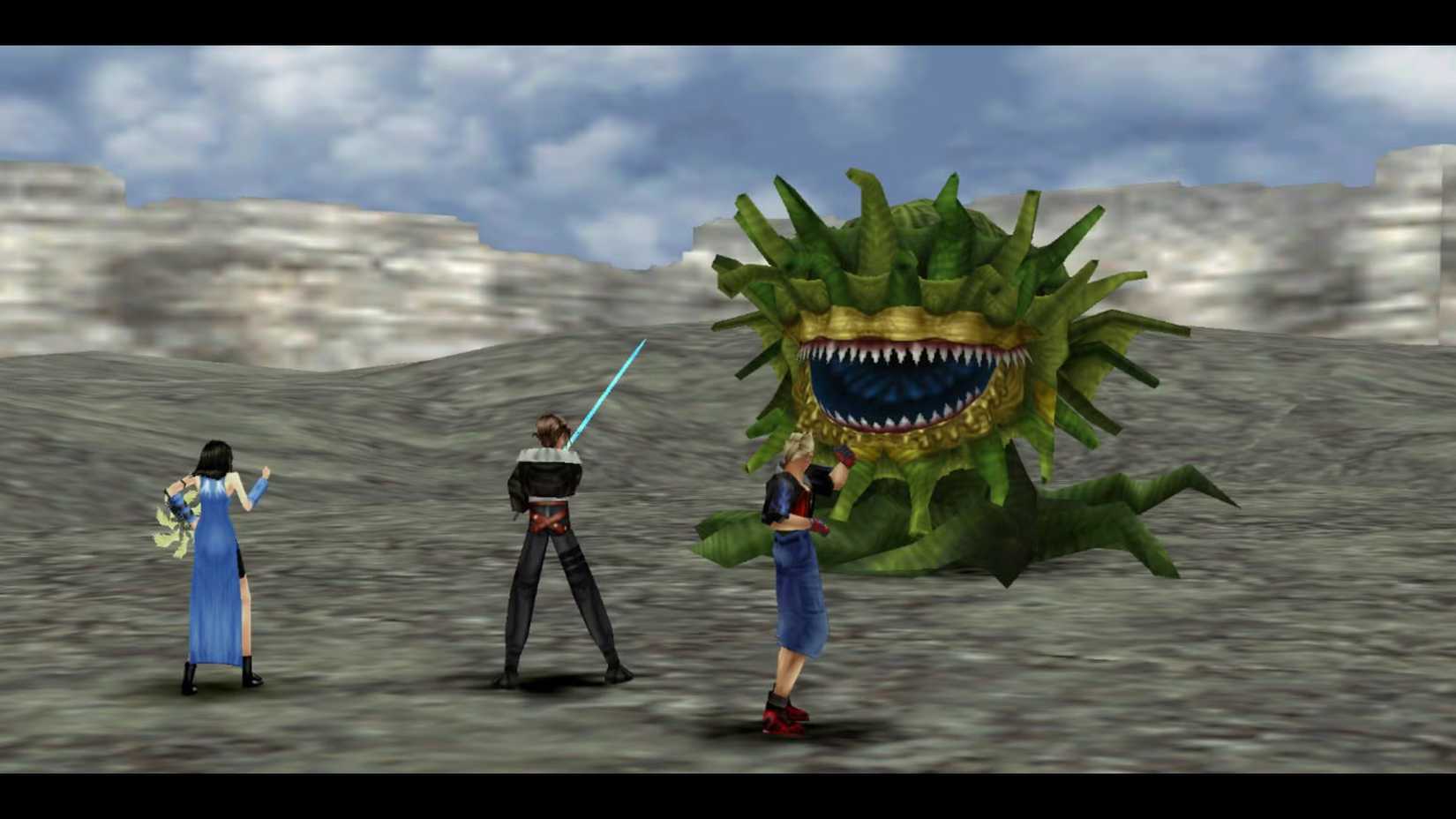
Final Fantasy VIII has one of the best combat systems in the series, and that's because of the high degree of interactivity. I don't know why the series went away from this level of interactivity that Final Fantasy VIII had, but I loved the chances this game took in that regard. Starting with Squall and his Gunblade, it's so satisfying to pull off the explosion on the basic attack, and that goes even further with the Limit Breaks, which have a crazy amount of interactivity. From Squall's Renzokuken to Zell's variety of different finishing moves that you have to pull off like a fighting game, this was the start of Final Fantasy feeling like a real-time action game.
Of course, the series would eventually go that route, but so many JRPGs never tried this level of user input. Some like to sit back and not be involved in the combat on screen, but I think having so many different ways to interact with the game was incredible, and even things like powering up the summons manually was something that felt so cool for the time and would have a place in many JRPGs today. I love turn-based games, but I think using a system like this bridges that gap in a way that makes everyone happy.
1 Chrono Cross
Battle Math

Chrono Cross is a gorgeous title for the PS1 that had some incredible graphics for the time and one of the best combat systems around. It revolved around a risk-reward system that gave you different percentages based on the strength of attacks. Stronger attacks have a bigger chance of missing but the potential for higher damage. You have to build your attacks up in succession in order to do the much stronger magic attacks, special attacks, and summons, so it's a delicate balance that makes the combat consistently compelling.
I love systems that give characters multiple attacks and combos and Chrono Cross hits that sweet spot for me, giving you some awesome animations during battles and a system that consistently lets you strategize differently. You can customize characters with different magic too, so it allows you to build your party up the exact way you'd like to. There are also tons of characters, and each has their own element, so you can customize your party based on what elements the enemies you'havefacing are. It's a fantastic system in an amazing game.
 NEXT
NEXT
10 JRPGs That Don't Feel At All Like Anime
Just because they’re RPGs inspired by Japanese culture doesn’t mean they automatically have anime aesthetics.



![ELDEN RING NIGHTREIGN: Deluxe Edition [FitGirl Repack]](https://i5.imageban.ru/out/2025/05/30/c2e3dcd3fc13fa43f3e4306eeea33a6f.jpg)
 English (US) ·