.png)
.png) 2 hours ago
2
2 hours ago
2

Published Jun 15, 2026, 4:30 PM EDT
Zackari Greif is a List Writer at DualShockers who has been covering games professionally since 2021. A lifelong gamer and former writer for GameRant and Fix Gaming Channel, Zackari has written across news, guides, interviews, previews, reviews, features, and lists, bringing a broad background in gaming journalism to his work.
At GameRant, Zackari reported on gaming news before expanding into deeper coverage, including interviews, features, previews, and reviews. His work has covered franchises and topics such as Sonic the Hedgehog, Pokémon, Mario Kart, Sonic Racing, platformers, RPGs, indie games, and game comparisons.
Before the era of the internet smashed down any cultural barriers between the global populace, the more nerdy side of media was a bit of a tricky place. Lots of companies, like Sega and Nintendo, had American branches that dictated what parts of Japanese culture would make it to the west. To quote the Pokémon anime, "nothing beats a good jelly-filled donut!" Brock said, holding up a rice ball.
 Related
10 Best Indie Games in Genres Dominated by AAA Games
Independent developers can also go into the realm of blockbusters and surpass them in their own field.
The aim of all of this, at its core in general, was to make these games more appealing to American audiences. That's just naturally part of the job of localization — to make sure jokes and meanings that might not align with language rules or social cues still make sense when brought overseas. Some older games were changed completely to be more marketable for all kinds of reasons.
Let's look through some of them together.
10 Dragon Power
Dragon Ball: Shenron’s Mystery
 dragon-ball_-shenron-no-nazo-in-game-screenshot-5.jpg
Dragon Ball: Shenron no Nazo
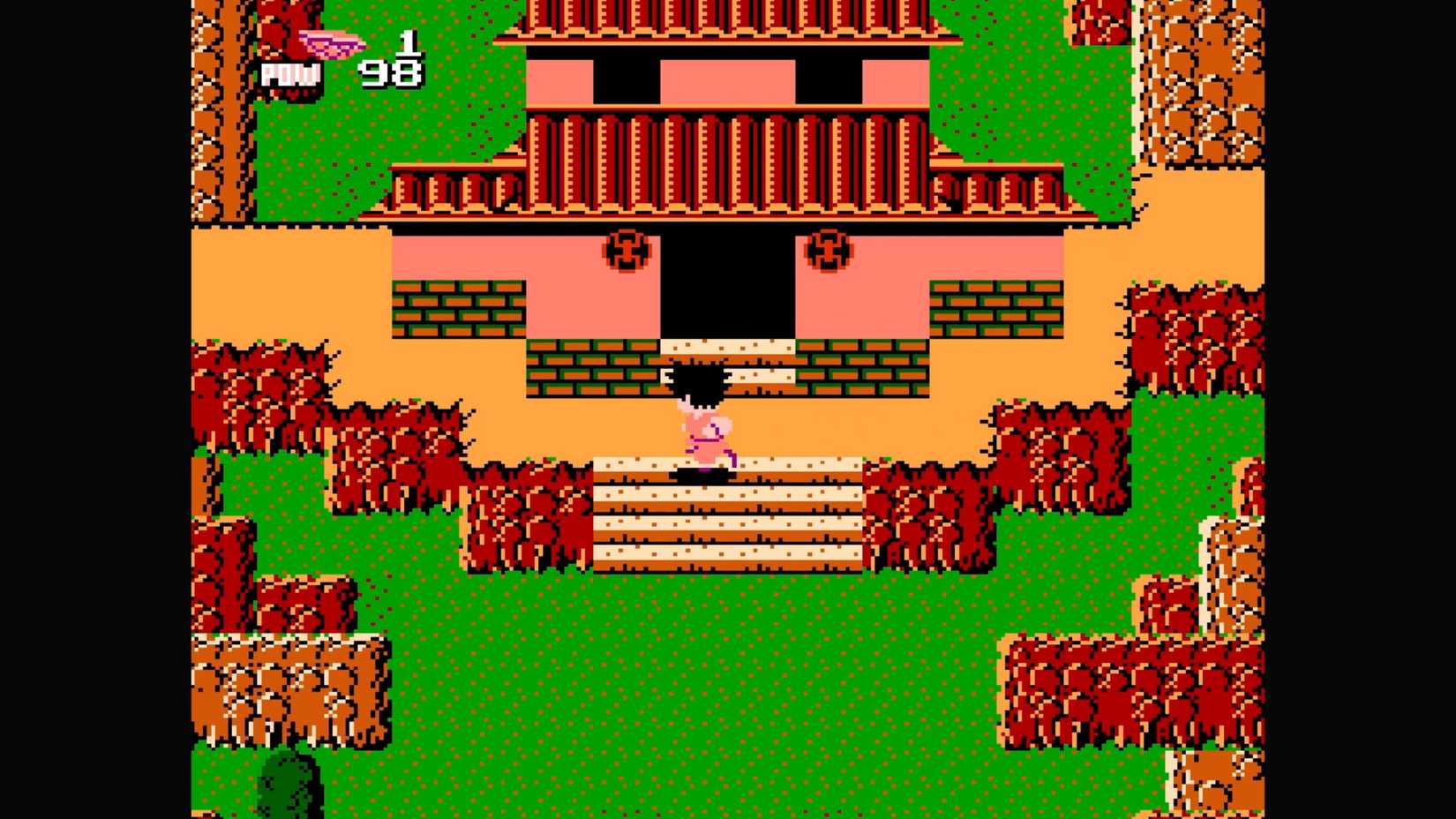
Among the games like Dragon Ball: GT Final Bout and Dragon Ball FighterZ, there's one strange little title on the NES known as Dragon Ball: Shenron's Mystery. It follows Goku all the way to the very first time he called forth Shenron at the beginning of his epic tale. It might not be the most stunning Dragon Ball game out these days, but it's a quaint little adventure.
Or, it would've been, if it wasn't completely changed for American markets. Everything tying this NES game to Akira Toriyama's fan-favorite franchise was cut out or replaced. You no longer play as Goku, but as a different boy wearing similar clothes. Bulma was renamed, and instead of the Dragon Balls, you track down the "Crystal Balls." When you know what to look for, these changes are so obvious that it's development backstory is probably why no one got sued over it.
9 Last Battle: Legend of the Final Hero
Fist of the North Star: The New Legend of the Post-Apocalyptic Messiah
|
Released |
September 1989 |
|
Developer |
Sega R&D2 |
|
Publisher |
Sega |
Don't worry, we've got plenty of other interesting games coming up on this list, too. It says a lot that many anime-based games have been completely changed into being something else internationally for licensing reasons, though.
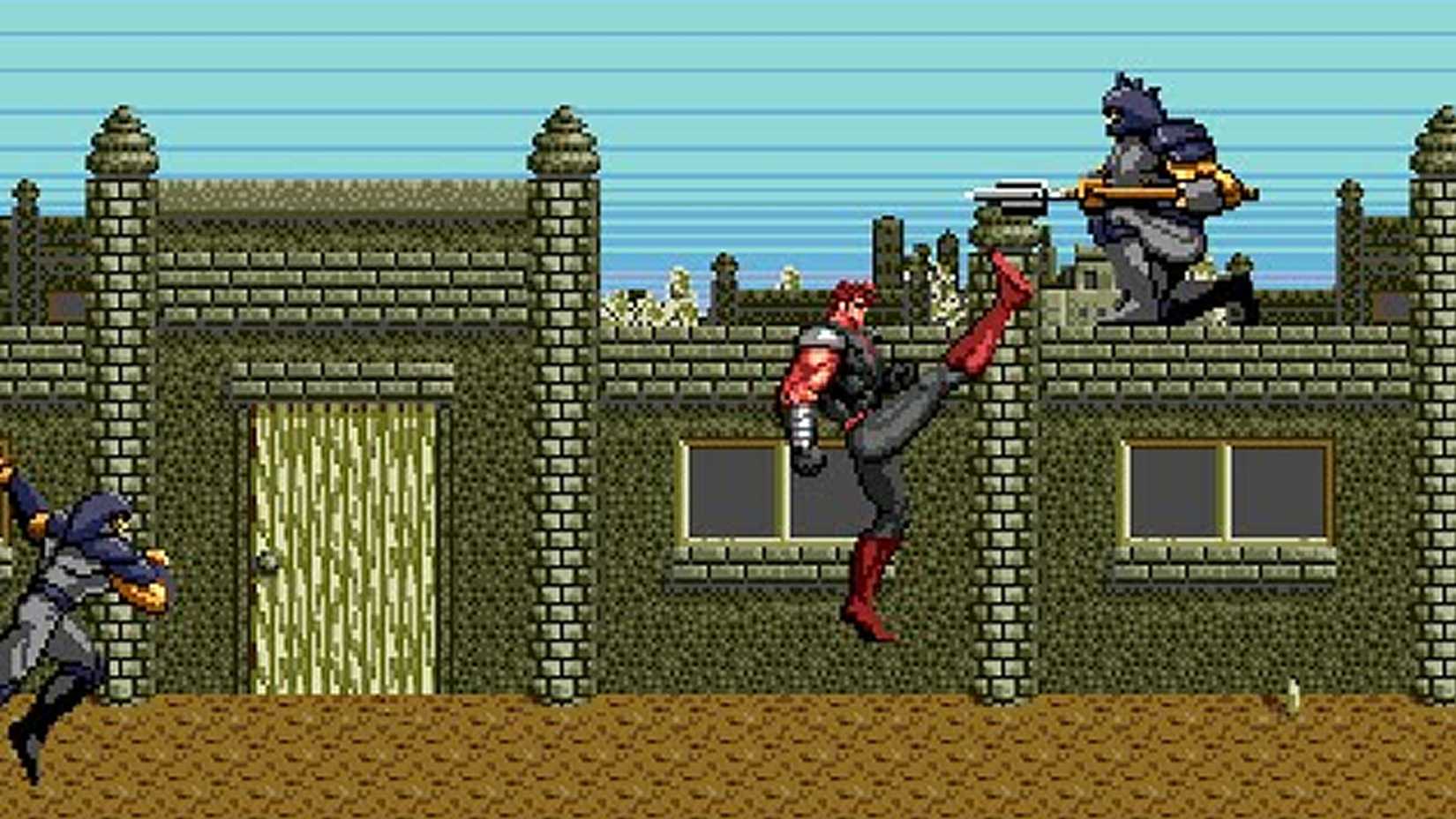
This Fist of the North Star game deserves a mention because it really illustrates just how much these practices would change things at their worst. Every character's name was changed, though the sprites were more or less left the same. Blood was removed to make it more palpable, and in instances where the gore couldn't be taken out, bosses were made into mutants. But hey, at least they left the shirt-ripping in the game, right?
8 Harvest Moon
Hasn't Been Harvest Moon Since 2014
Harvest Moon: The Winds of Anthos
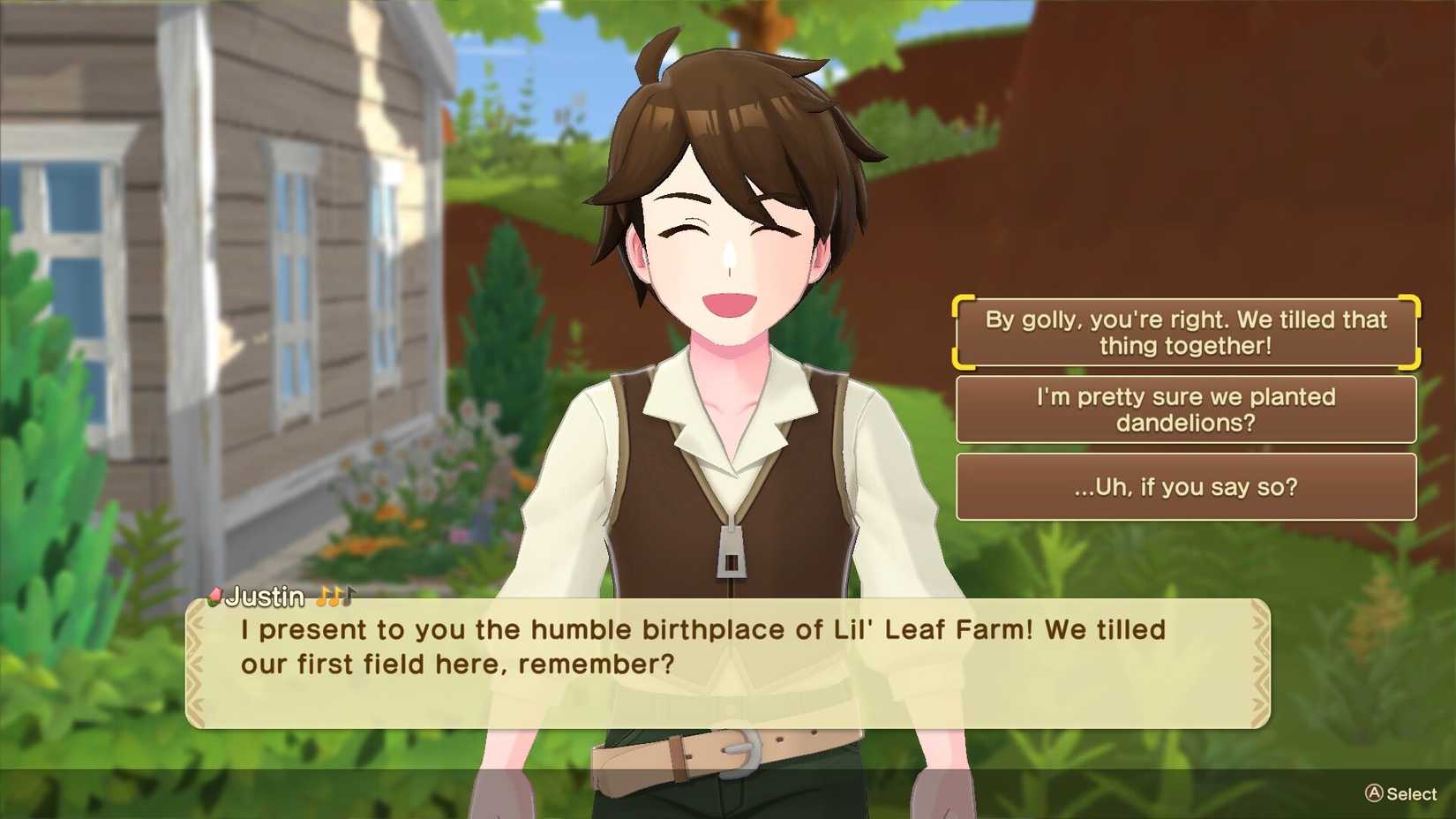
Now we're getting to where things get complicated. Harvest Moon is an important farming simulator for many English-speaking gamers that started back during the days of the NES. With entries on the Nintendo 64, GameCube, and many other platforms, it stayed as the farming simulator up until Stardew Valley changed the genre.
There was one more important event that redefined Harvest Moon going forward, and that was when the parent company of most Harvest Moon games, Marvelous Inc, decided it would get one of its subsidiaries to localize its games instead of letting Natsume Inc handle them.
Natsume Inc's answer was to cling to the Harvest Moon name legally, which forced the rest of the series to be released in the west as Story of Seasons ever since. For some people, this is old news, but every so often, someone discovers this fact for the very first time and regrets buying the lesser-quality Harvest Moon games.
7 Final Fantasy
Barver Battle Saga: Tai Kong Zhan Shi
|
Released |
1996 |
|
Developer |
Never Ending Soft Studio |
|
Publisher |
Ka Sheng, Piko Interactive |
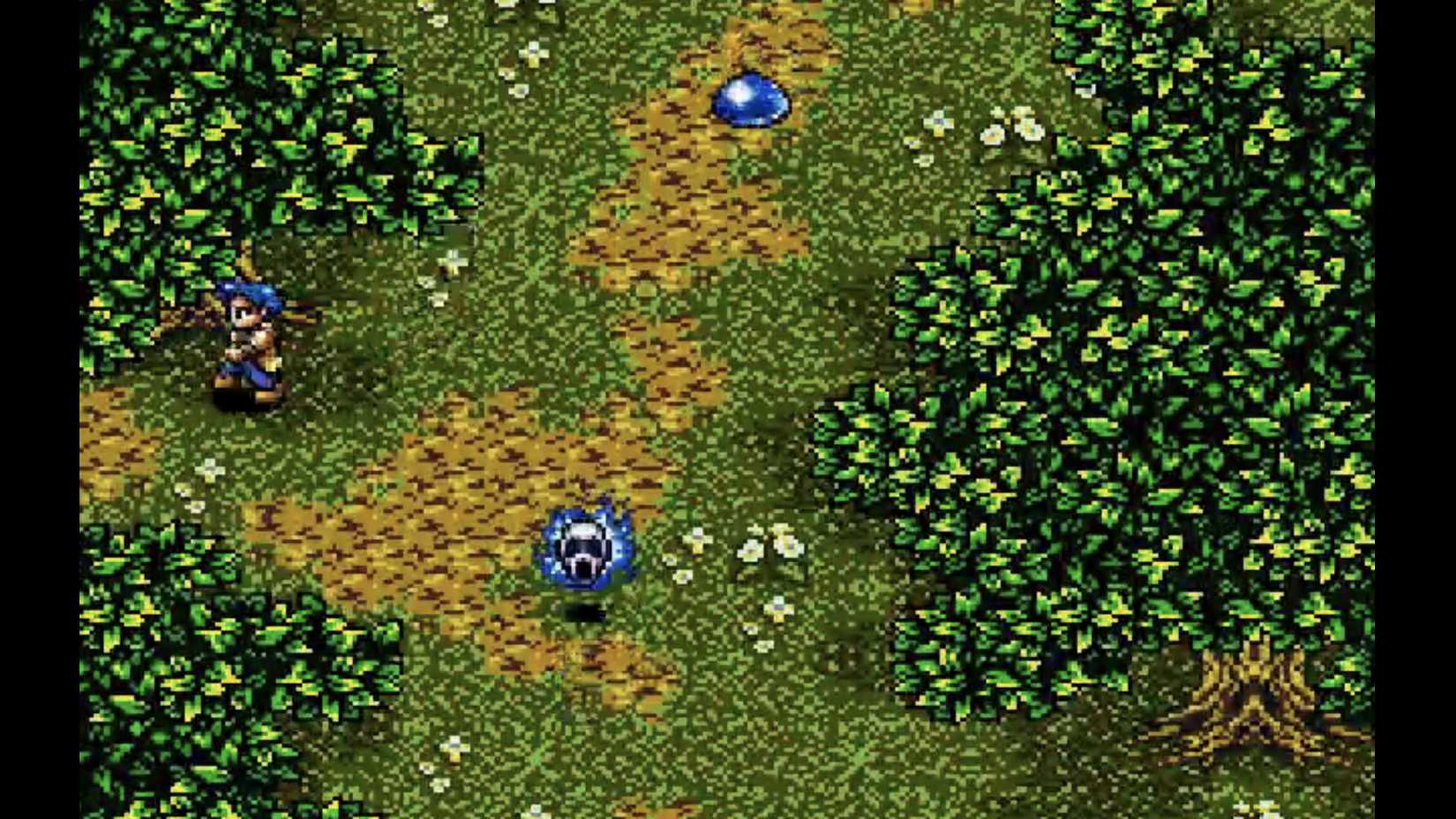
It's died out over time with how much harder game development has gotten over the years, but back when games were being changed to suit audiences, there were a lot of unlicensed games going around. You've probably heard of some of them, like the Grand Dad and Sonic 6 bootleg carts. Some of them were actual earnest efforts from underground development teams. Barver Battle Saga: Tai Kong Zhan Shi is one of them. Barver Battle Saga is such an earnest game that it's even been given an official English translation years later.
Somewhere down the line, though, Barver Battle Saga made its way to Russia, and to get people to buy it, it was renamed and packaged as "Final Fantasy." Final Fantasy X specifically — without the Roman numeral. As funny as it is that Final Fantasy somehow finds itself in these situations often, this version of Barver Battle Saga was poorly translated.
 Related
8 Little-Known Sega Genesis JRPGs From Famous Developers
The PlayStation wasn't the only console whose JRPGs marked change in the industry.
Sega Retro suggests it might've even been machine translated. Russian players would eventually get a better translation later on, but I have to wonder how Russian players felt when they got "Final Fantasy" and it ended up being a completely different game.
6 Super Mario Bros. 2
Doki Doki Panic
 super-mario-bros-2-in-game-screenshot-6-1.jpg
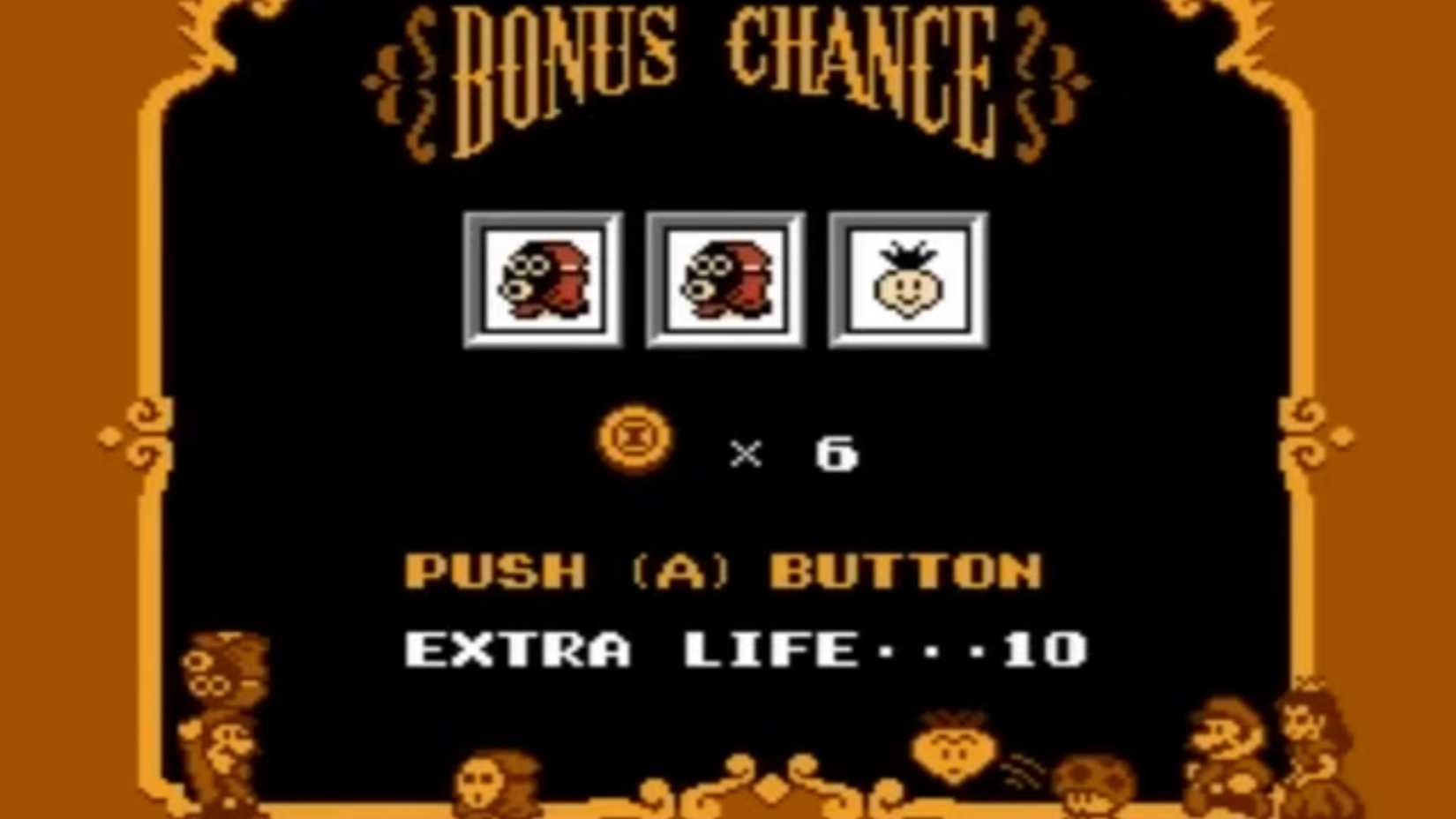
You knew this was coming. The Super Mario Bros. 2 situation is one of the most infamous reskins in all of gaming. It'd be a crime to not mention it here. At least the reason behind it goes a bit deeper than avoiding anime licensing and sanding things down for American audiences. The truth is, the skill ceiling for the true Super Mario Bros. sequel — later released overseas as Super Mario Bros.: The Lost Levels — was too high in Nintendo of America's eyes. This was probably a good call, because if Nintendo of America thought it was too hard back when "Nintendo Hard" was a common phrase among players, that really illustrates that The Lost Levels is something else.
Looking back, I feel like the truth of Super Mario Bros. 2 was accepted far better than, say, the situation with the Final Fantasy re-ordering was. Both situations have been more understood these days, but where many fans still swore by how they knew FF, the Super Mario franchise welcomed the American SMB2 with open arms. Birdo — or should I say Birdetta — has been a prominent supporting character for decades now. The Super Mario Galaxy Movie had a whole section dedicated to appreciating the Doki Doki Panic game like it's been part of the series all along, even. It speaks volumes of how this reskin changed the series.
5 Dr. Robotnik's Mean Bean Machine
Puyo Puyo
Dr. Robotnik's Mean Bean Machine
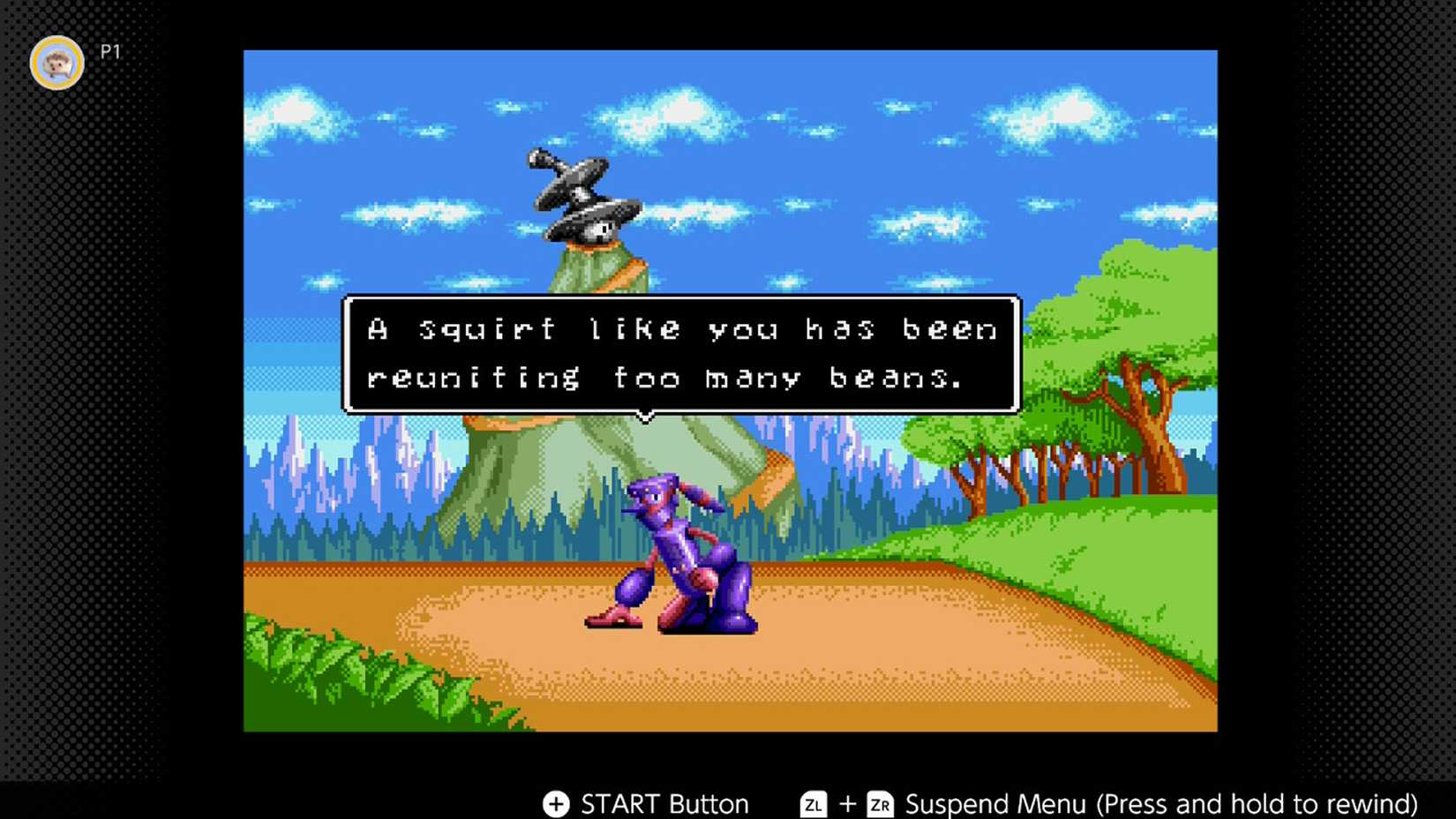
Similar to Super Mario Bros. 2, Dr. Robotnik's Mean Bean Machine has been silently accepted as an influential part of both Sonic and Puyo Puyo, even if it isn't necessarily canon to both. Unlike SMB2, though, Puyo Puyo was reskinned into Mean Bean Machine because Sega of America wasn't sure Puyo Puyo would succeed overseas on its own. The sprite work for Mean Bean is a joy to look at to this day, especially since it captures the Adventures of Sonic the Hedgehog cartoon perfectly.
Times have changed since Dr. Robotnik's Mean Bean Machine was first released. Even though the two Sega IPs aren't celebrated as Super Mario Bros. 2's contributions to the plumber's story, it wouldn't be anywhere near the last time Sonic and Puyo Puyo shook hands with one another. Sonic Mania features Puyo Puyo as a "boss battle" of sorts at the end of Chemical Plant, and Sonic and Arle have served as playable crossover characters in Puyo Puyo Tetris 2 and Sonic Racing: CrossWorlds respectively.
4 Kirby's Avalanche
Super Puyo Puyo
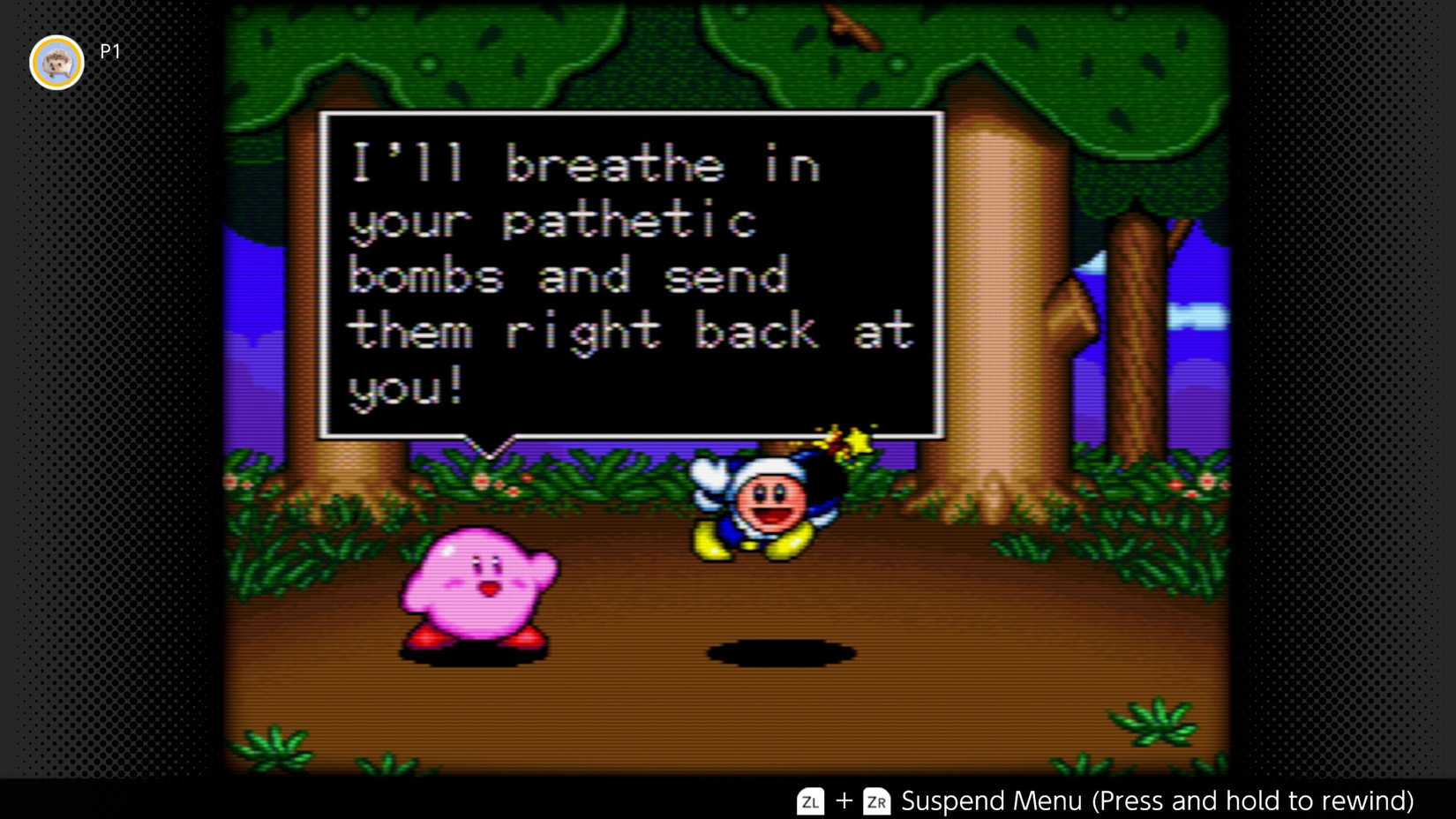
Back when Puyo Puyo was owned by its original creators Compile, there was one more attempt to try and get Puyo Puyo to succeed in the west. This time, it retooled the SNES version of Puyo Puyo (Super Puyo Puyo. How original.) into Kirby's Avalanche.
 Related
9 Best Games With Shapeshifting Mechanics
Whether through magic or science, your form is flexible in these games.
The reason why I'm also mentioning Kirby's Avalanche, despite it more or less being the same game besides the sprites and IP used, is the way the writers handled it. For some reason, Kirby's surprisingly rude in this game. Waddle Doo calls him out for not respecting Waddle Dee and Kirby insults Broom Hatter's puzzle skills outright. Kirby's not alone in being rude, too. The trash talking is incredible to see from such a series that's mostly cute with good vibes. Who knew this was what would happen if Kirby was allowed to speak?
3 Tetris Attack
Panel de Pon

|
Released |
August 1996 |
|
Developer |
Intelligent Systems |
|
Publisher |
Nintendo |
This may be one of the more literal examples of one game being disguised as another. Panel de Pon is a puzzle game featuring pairs of blocks and magical girls. Among puzzle enthusiasts, it's a bit of a cult classic. It's very charming, but Nintendo of America, once again, didn't think it would sell as well as it was, so they changed it to Yoshi and friends. This didn't affect gameplay any, thankfully. It does make the fact that the protagonist Lip's stick has been an item in Nintendo's popular fighting game series since Super Smash Bros. Melee a bit awkward, though.
What was harmful to the game, though, was its new name. Panel de Pon may be a puzzle game, but it's certainly not Tetris. The Tetris Company gave Nintendo the license to use the name for Tetris Attack, and the company has since regretted it. Customers were confused, and the game didn't sell well because of it. Name aside, it's a very fun and relaxing puzzle game that I'll always recommend.
2 The Final Fantasy Legend
Makai Toushi SaGa

Picture this: you make a game, for the Game Boy, even. You and your team make an intricate system combining tactical units and RPG mechanics. It has an open world that hardly stops the player from going where they want. The game launched in Japan, and it was a hit with critics! You feel like you're on top of the world, and then you find out your game is being put under a more popular brand name just so it can sell overseas. This is what happened to the first SaGa game, titled The Final Fantasy Legend in the US.
Okay, I'm exaggerating a bit, but I really wasn't kidding earlier when I said that Final Fantasy gets itself into these messes a lot. In terms of FF Legend, though, it boggles my mind that this was the approach Square chose for this game. The SaGa series was highly praised from the start, and it has its own identity that, thankfully, it's stuck to and evolved since. At the very least, it doesn't seem like there's any bad blood from the name change. After all, the Game Boy games can be bought for the Switch as the Collection of SaGa: Final Fantasy Legend. It seems like it's just seen as a humble beginning for a grand adventure these days.
1 The New Adventures of Mary-Kate & Ashley
South Park

|
Released |
1999 |
|
Developer |
Crawfish Interactive |
|
Publisher |
Acclaim Entertainment |
Nope. You're not hallucinating. There is — or was — a South Park game for the Game Boy Color. It's hard to tell which came first, the Nintendo 64 game or the Game Boy one. According to Lost Media Wiki, they were in development at the same time. The entire game was finished when the creators of South Park found out that the Game Boy was typically for kids. Putting a South Park game in the hands of children is definitely not a good idea, so they pulled the brakes themselves moments before the game was going to be mass-produced.
For the developers and publishers, this meant that they had an entire game down the drain. That's a waste of a lot of resources, so somewhere down the line, the game was changed to be The New Adventures of Mary-Kate and Ashley. It was even rereleased as Mary-Kate and Ashley: Get A Clue. I've got to give credit where it's due, it's hard to tell what the game used to be unless you know what you're looking for. If you know, you know, though, and it's some wild knowledge to have. Enjoy sharing this at parties, folks!
 NEXT
NEXT
10 Best Retro Games With Couch Co-op
Grab a friend, grab a controller, and pop a squat.


![ELDEN RING NIGHTREIGN: Deluxe Edition [FitGirl Repack]](https://i5.imageban.ru/out/2025/05/30/c2e3dcd3fc13fa43f3e4306eeea33a6f.jpg)
 English (US) ·