.png)
.png) 1 hour ago
2
1 hour ago
2
As one of the longest-running and most important genres in video game history, FPS games have always remained at the forefront of the interactive medium, constantly reminding us of their greatest champions.
We all know the widespread influence of franchises like Doom, Quake, and Call of Duty, which shaped first-person shooters across various historical periods, but also overshadowed other, lesser-known important experiences.
I'm not just talking about underrated titles, but about projects that, despite not achieving the same level of mainstream success, left an indelible mark on the history of a genre brimming with outstanding creations.
Therefore, in order to remember these games and give them the recognition they deserve, I invite you to join me on this journey down memory lane, exploring eight FPS games that quietly reinvented the genre without receiving enough credit.
8 Chronicles of Riddick: Escape from Butcher Bay
A New Way of Existing in 3D
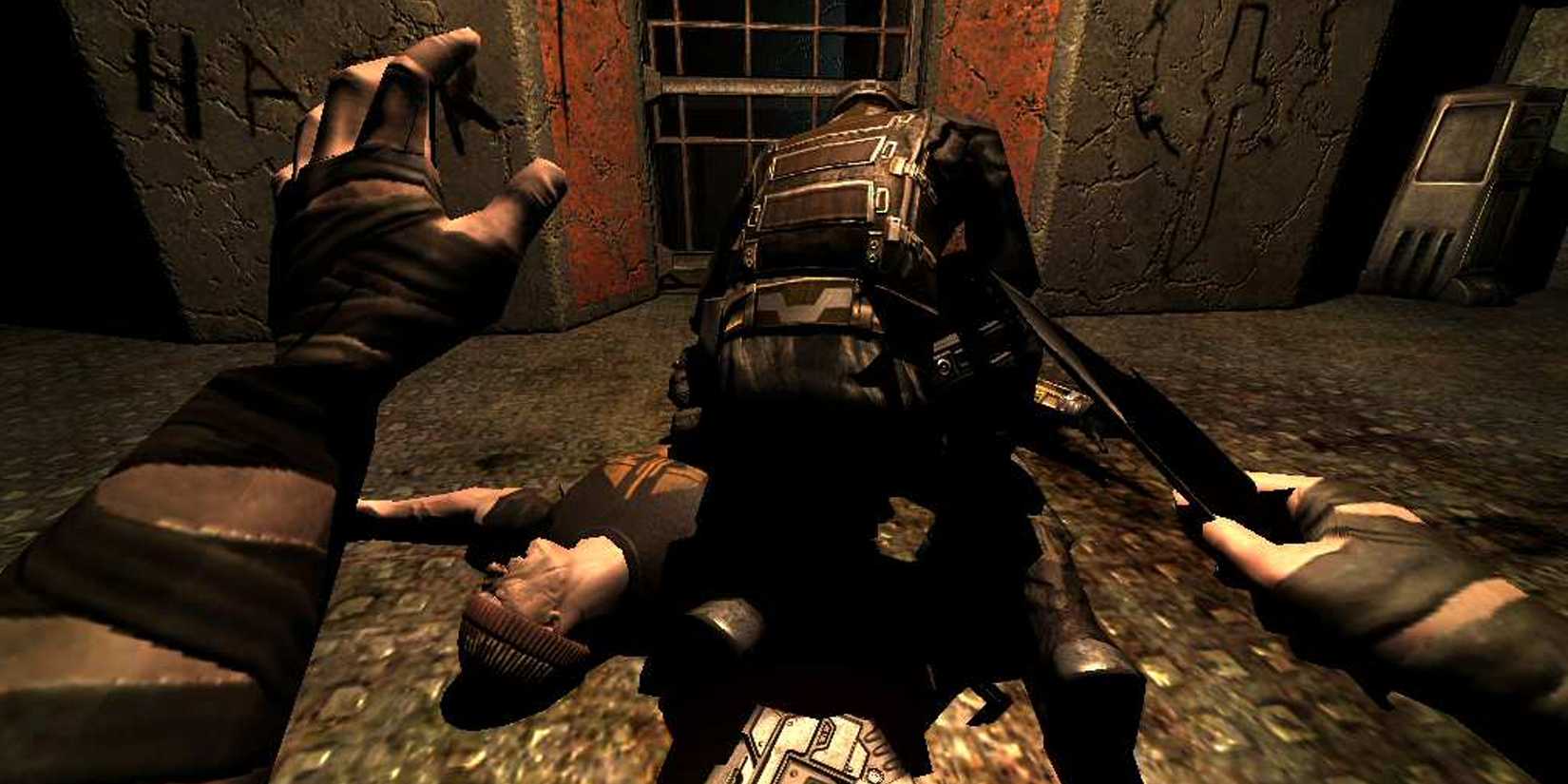
The Chronicles of Riddick: Escape From Butcher Bay
Chronicles of Riddick: Escape from Butcher Bay isn't just among the many tie-in titles of the 2000s; it's a pioneer in the mechanical diversification of first-person shooters.
While not the first to implement such innovations, the combination of first-person physical body awareness, dynamic shadow stealth, and seamless melee combat created an experience where you felt like much more than just a gun in the air, which was a huge problem I had with the genre at the time.
Through its lighting, animations, and gameplay itself, it was among the decade's greatest expressions of first-person immersion, with numerous instances where you were amazed by its ability to do things with few or no precedents.
The first time my weapon adjusted to cover so I could fire without hitting the wall, or the first time the camera adjusted to show me third-person interactions, it truly blew me away, as these small details made Chronicles of Riddick: Escape from Butcher Bay a title way ahead of its time.
7 Red Orchestra: Ostfront 41-45
War Like Never Before
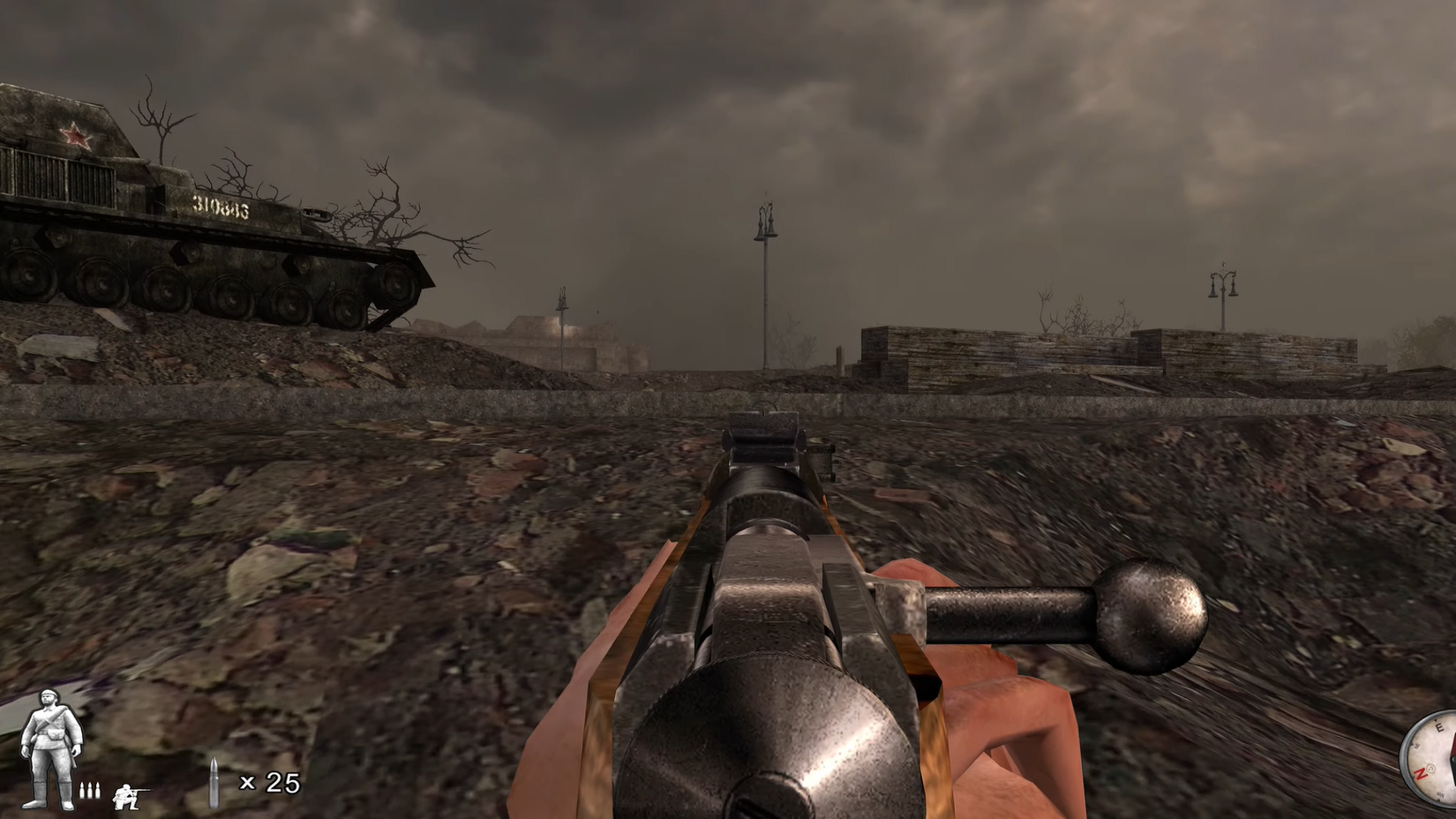
Red Orchestra: Ostfront 41-45
We all recall the early 2000s through the powerful depictions of war in Medal of Honor and Call of Duty, though we don't cherish enough Red Orchestra: Ostfront 41-45, which was an equally memorable campaign.
I remember stumbling upon the game by mistake on one of the many days I spent in internet cafés as a kid, as I also remember being mesmerized by the remarkable difference between its level of realism and that of its competitors.
Between the accurate bullet trajectories, having to manually cycle rifles, and the absence of HUDs to guide your presence on the battlefield, the feeling of embodying a soldier in World War II was exhilarating and almost terrifying.
Modern games like Squad, Hell Let Loose, or Escape from Tarkov run today because Red Orchestra: Ostfront 41-45 walked 20 years ago, which is especially impressive considering it was Tripwire Interactive's first project.
6 Strife: Quest for the Sigil
A True Mechanical Hybrid
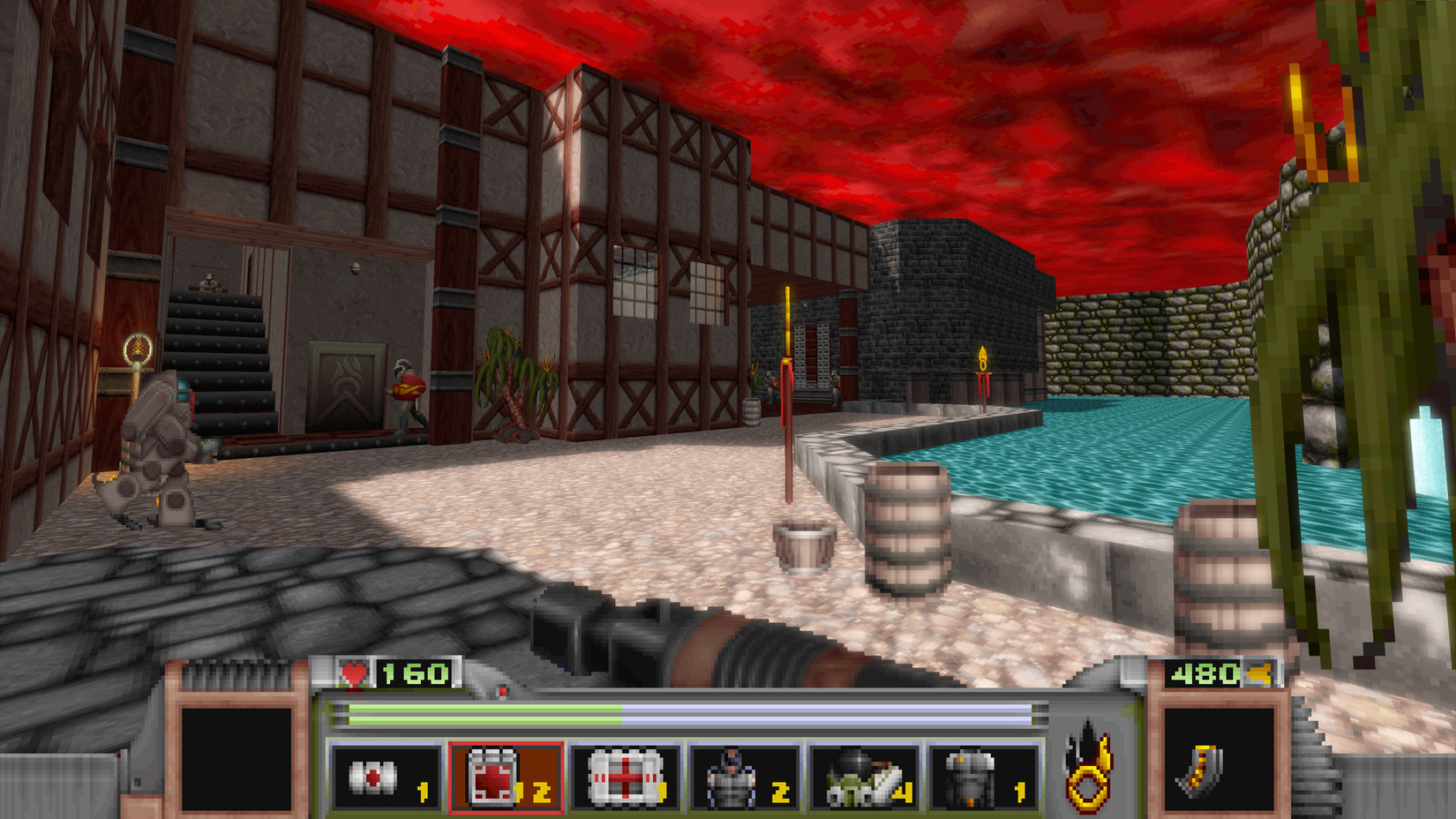
If I'm currently a fan of video games that combine several genres into one proposal, it's thanks to the impact Strife: Quest for the Sigil had on me, as it predated both Deus Ex and System Shock in its commendable effort to merge different mechanics.
Playing it with my father on his old computer is also largely responsible for my enthusiasm for it, which stems from its ability to connect the foundations of first-person shooters with the structure of an RPG.
It felt exactly like a classic Doom, though with open maps, NPCs, inventory management, stealth mechanics, decision-making... It was absolutely groundbreaking, and I don't think it was fully appreciated even at the time.
Looking back now, especially as a devotee of immersive sims, I deeply appreciate the transformation Strife: Quest for the Sigil helped bring about in the genre, taking it beyond the purely ballistic corridors FPS games had accustomed us to.
5 Red Faction
Unprecedented Destruction
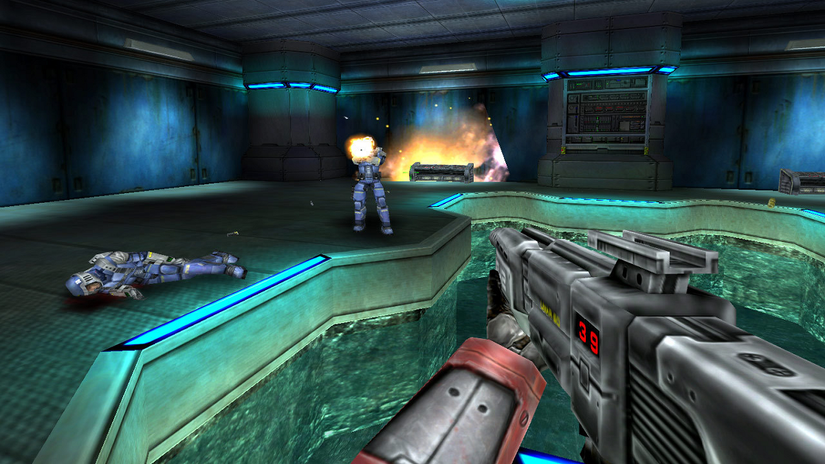
Feeling that our presence in a game world transforms it is among the most divine experiences that interaction can offer, so I dare say few games come close to what Red Faction did in 2001.
Battlefield is usually mentioned when discussing environmental destruction, but the true progenitor, thanks to its Geo-Mod engine, is Volition's work, which gave you the freedom to rearrange the campaign's walls, ceilings, and floors as you pleased.
Going from the frustrating feeling of not being able to open a wooden door because you didn't have the key, even as a super soldier, to being able to dynamically blast holes through solid rock walls to get through anyway is a core memory that never fades, and two decades later it's still with me.
If we add the ability to shoot the environment to make it collapse and crush our opponents in multiplayer mode, it honestly bothers me that Red Faction isn't on a pedestal, because that's exactly where it should be.
4 Marathon (1994)
Pioneer of the Narrative Shooter
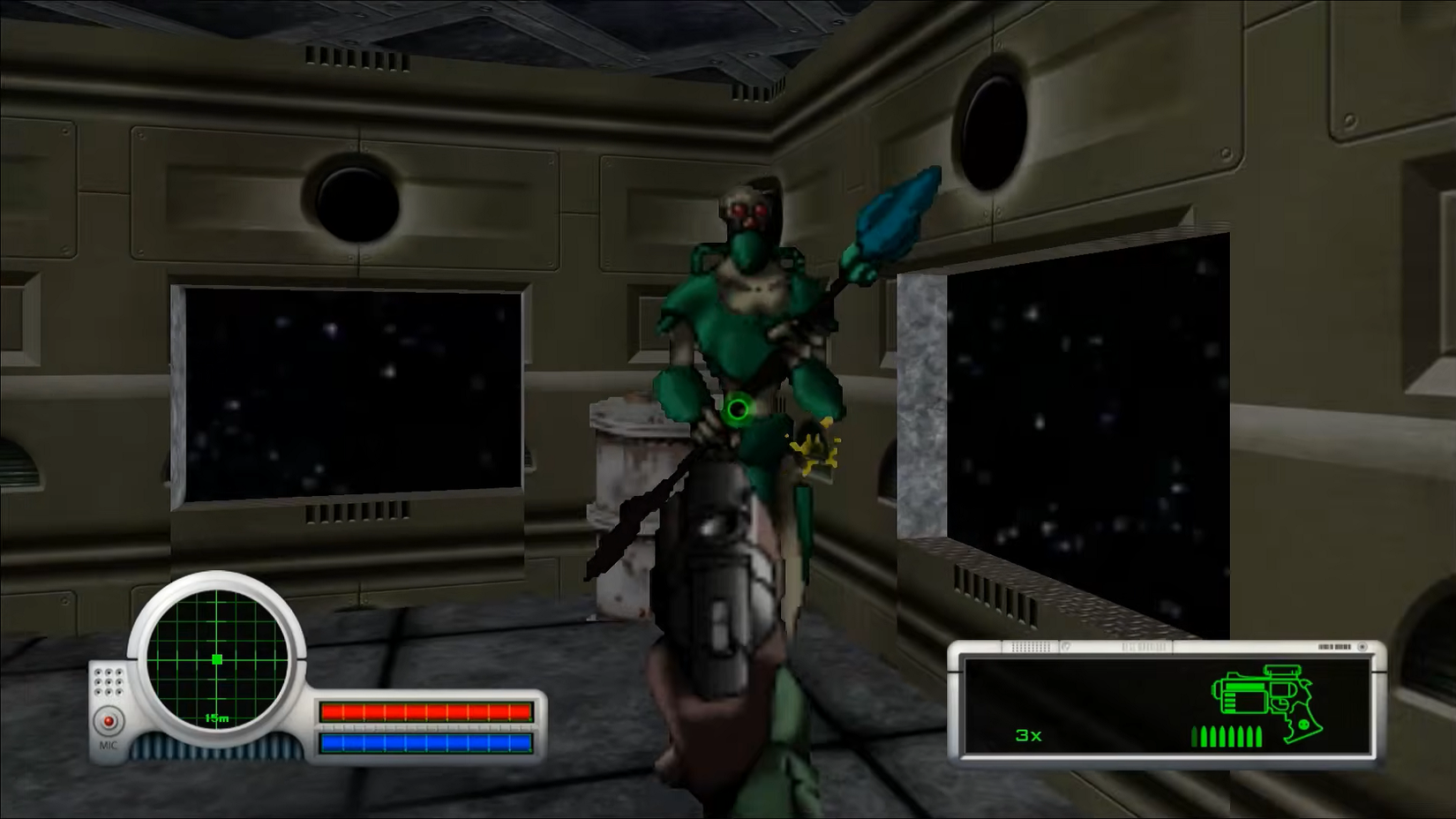
Before revolutionizing FPS games with Halo, Bungie was already wreaking havoc on the genre's standards with Marathon, a game whose Apple Macintosh exclusivity is the only reason I can think of to explain its overlooked significance.
Just a year after the classic Doom, this 1994 gem introduced vertical aiming, free look, and even dual-wielding, which was a world of difference from what the genre's father had offered shortly before.
These innovative features would be adopted by virtually every FPS game after Marathon, which also featured a notable environmental narrative via text terminals that, in a way, felt like a precursor to Half-Life's spontaneous storytelling.
While the title isn't these aspects' deepest manifestation, their simultaneous presentation makes the experience a unique creation among its historical counterparts, and one I'm sincerely grateful has returned in the form of Classic Marathon in 2024.
3 The Operative: No One Lives Forever
Stealth-Based Immersion
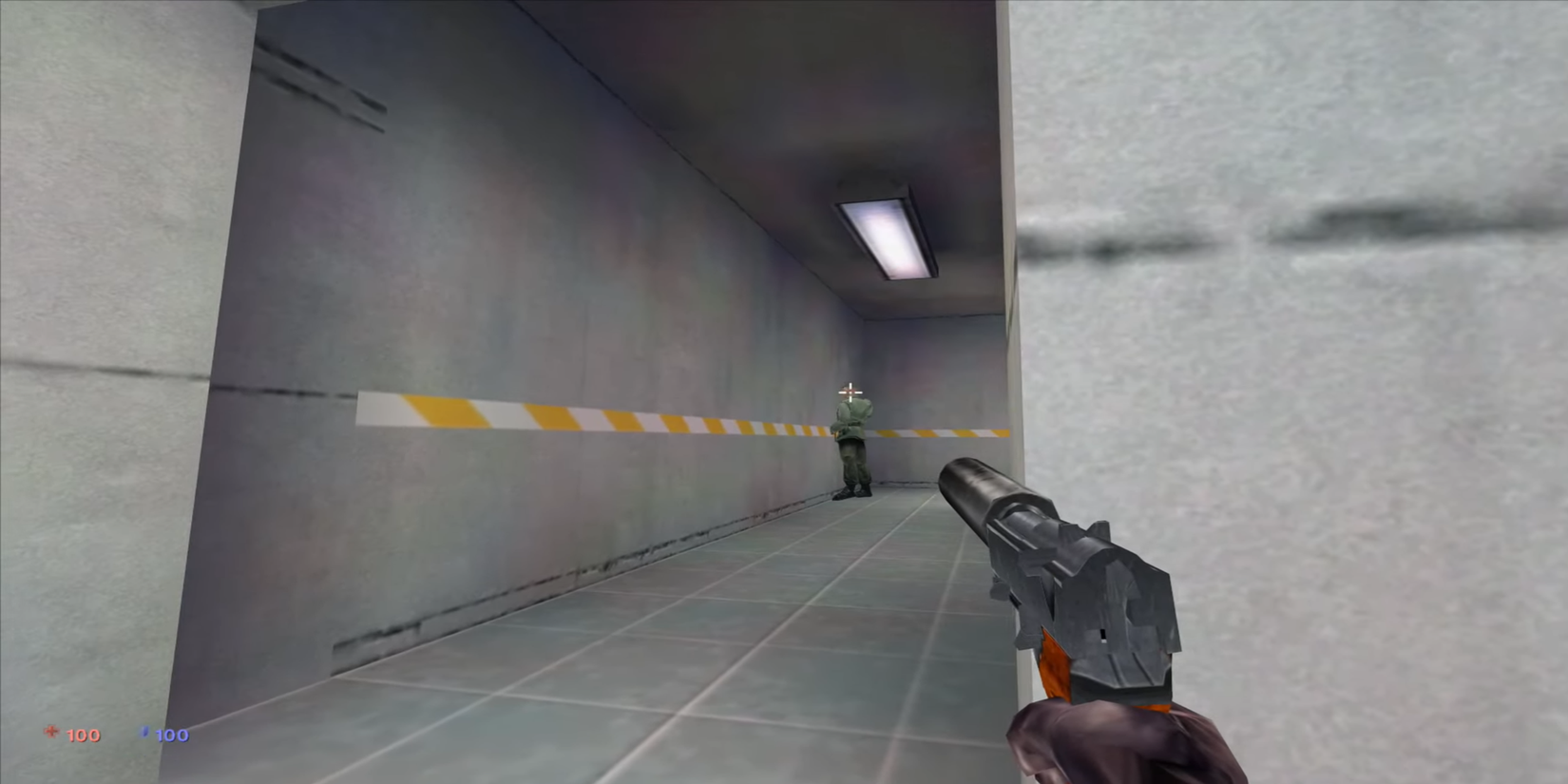
The Operative: No One Lives Forever
We all know GoldenEye 007 is one of the genre's cornerstones, partly because of how it allowed you to embody the spy fantasy through its stealth mechanics, though not everyone knows The Operative: No One Lives Forever did that particular job much better.
With its gadget-based infiltration mechanics, its tactical espionage concept is so prominent that I find it difficult to attribute the iconic slogan solely to Metal Gear Solid, as Cate Archer also embodies its values perfectly.
Explosive lipstick, sleeping-gas perfume, body-dissolving acid... Her tools are thematically consistent with a game that immerses you in a stealthy dream, always alert at every corner to eavesdrop on guards' conversations and carry out your mission as effectively as possible.
Of course, you could go in like Rambo and attack each mission like a regular shooter, but the fact that The Operative: No One Lives Forever offered alternatives for both play styles is what makes it truly groundbreaking.
2 F.E.A.R.
Technological Advances Yet to Be Matched
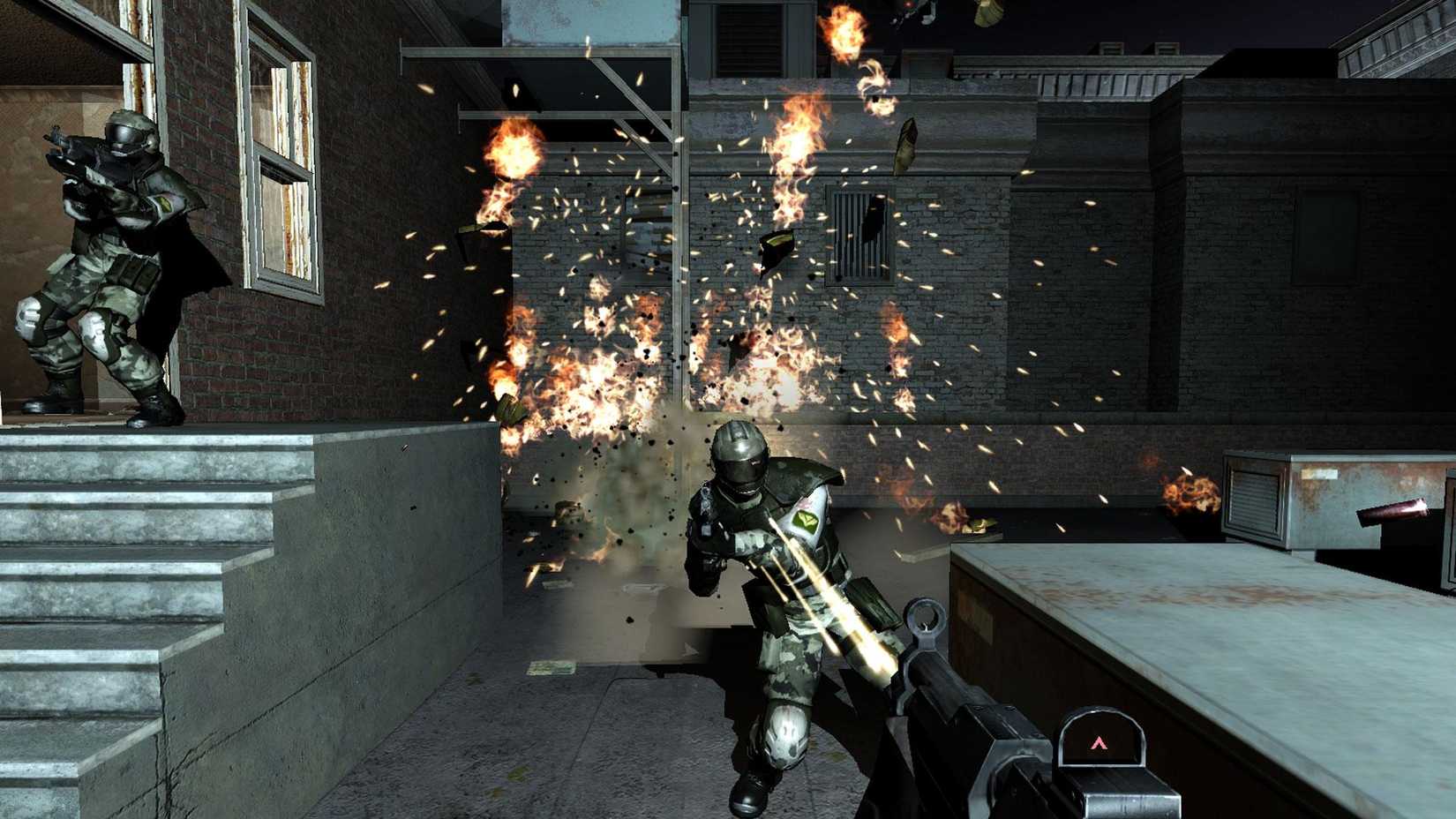
F.E.A.R. is a game whose technological advancements are so astonishing that they almost seem more like the work of alchemists concocting potions than programmers writing code, especially when it comes to the enemy AI.
Through its Goal-Oriented Action Planning (GOAP) system, the game replaces rigid, hard-coded scripts and complex states with real-time automated planning, resulting in each encounter feeling unique and natural.
When you see characters flip tables to create cover, lay down suppressing fire to limit your visibility, set up ambushes to catch you off guard, and communicate tactics dynamically, you feel like you're facing a well-oiled machine of sequences that are unpredictable by conventional standards.
Paired with its dynamic volumetric smoke, shattering glass, and slow-motion sparks, F.E.A.R. is the arcane result of incredibly talented digital architects whose legacy will continue to be studied for generations to come.
1 Far Cry 2
Survival Without Guidance
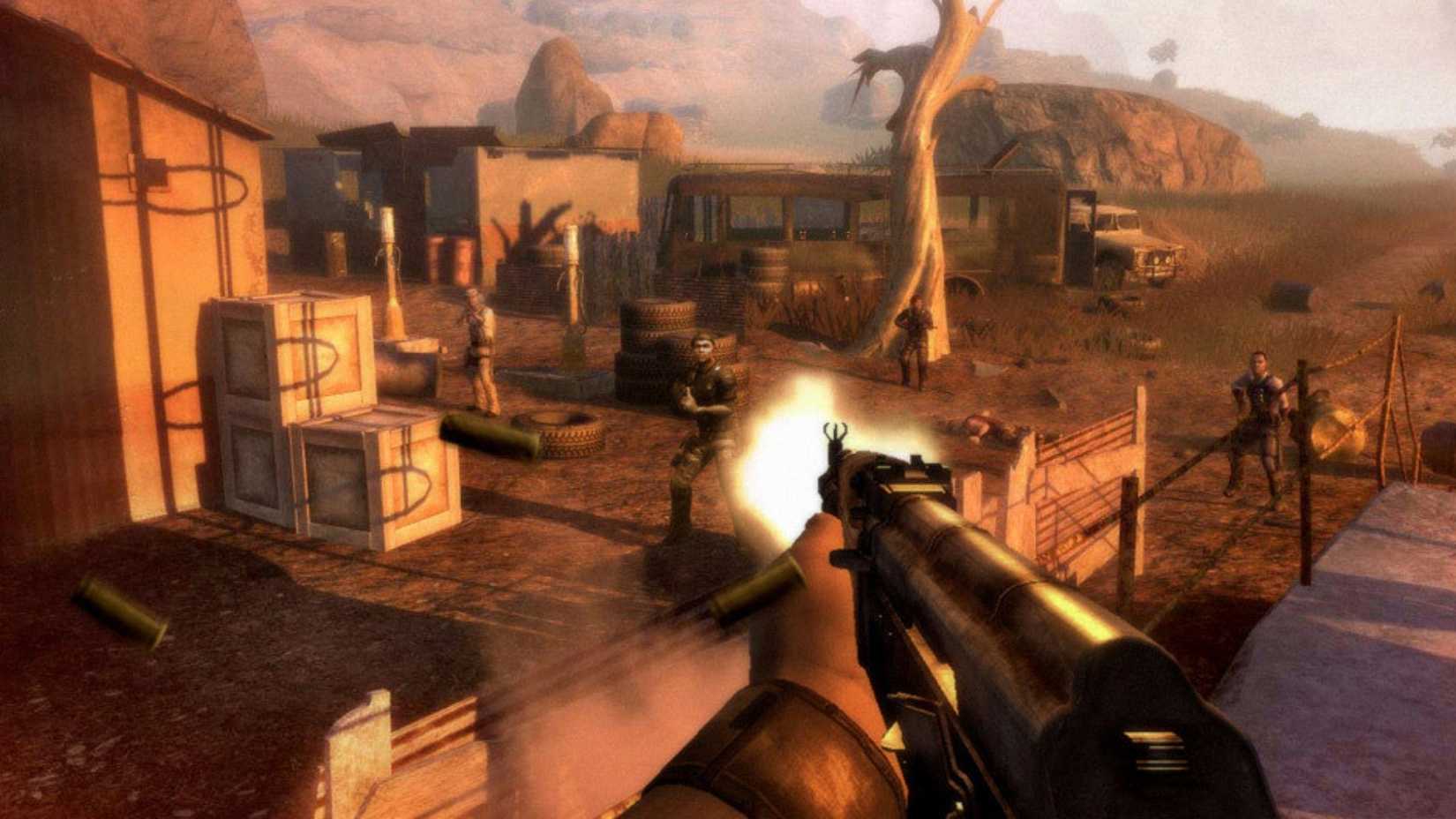
Fans of the genre are often vocal about how incredible Far Cry 2 is, though even amidst that constant admiration, there's an underestimation of what Ubisoft was capable of during its golden years with its FPS icon.
Going against the trend of guiding players even to turn on the console, the studio opted for a merciless and expansive adventure that feels almost more like a survival title than a first-person shooter.
By using a fully diegetic interface, there's no guidance other than what the player creates for themselves, but this is only feasible and satisfying thanks to how the accompanying technology is sufficiently developed to make the lack of hand-holding plausible.
Far Cry 2's systemic open-world simulation is superb, forcing you to use your GPS to orient yourself, to take cover from fire based on wind direction, to repair jammed weapons mid-firefight, to manage malaria with proper healing methods, and so on.
This mercenary lifestyle imposed on the player isn't about the typical entertainment experience, but rather the purest possible immersion in a jungle of dangers. If you think it feels more like a tech demo than a game, that's fine, though it's precisely this boldness that makes it a unique title in history.






![ELDEN RING NIGHTREIGN: Deluxe Edition [FitGirl Repack]](https://i5.imageban.ru/out/2025/05/30/c2e3dcd3fc13fa43f3e4306eeea33a6f.jpg)
 English (US) ·