.png)
.png) 6 months ago
107
6 months ago
107


Daniel has been playing games for entirely too many years, with his Steam library currently numbering nearly 750 games and counting. When he's not working or watching anime, he's either playing or thinking about games, constantly on the lookout for fascinating new gameplay styles and stories to experience. Daniel has previously written lists for TheGamer, as well as guides for GamerJournalist, and he currently covers tech topics on SlashGear.
Sign in to your DualShockers account
During the slower release months of any given year, I like to play a little game. I try to see how many game purchases I can tetris together for the same price as a brand-new, top-shelf release. You’d be surprised how much flexibility this challenge has, so sometimes I put on a few limitations to make things interesting, such as aiming for specific genres, ages, price ranges, or degrees of popularity.

For example, what if we were to limit things specifically to adventure games, and particularly those that may not be as well-known as others? Well, as far as challenge modifiers go, this one wasn’t the best, because there are still plenty of excellent adventure games out there you can pick up for around the cost of lunch. It’s a good problem to have, I suppose, because it means there are plenty of buried gems around to pick up, play, and get obsessed with.
All the following games are available to purchase on Steam, have the “Adventure” user tag, and cost $20 USD or less, sales notwithstanding.
9 Fight Knight
Put Up Those Dukes
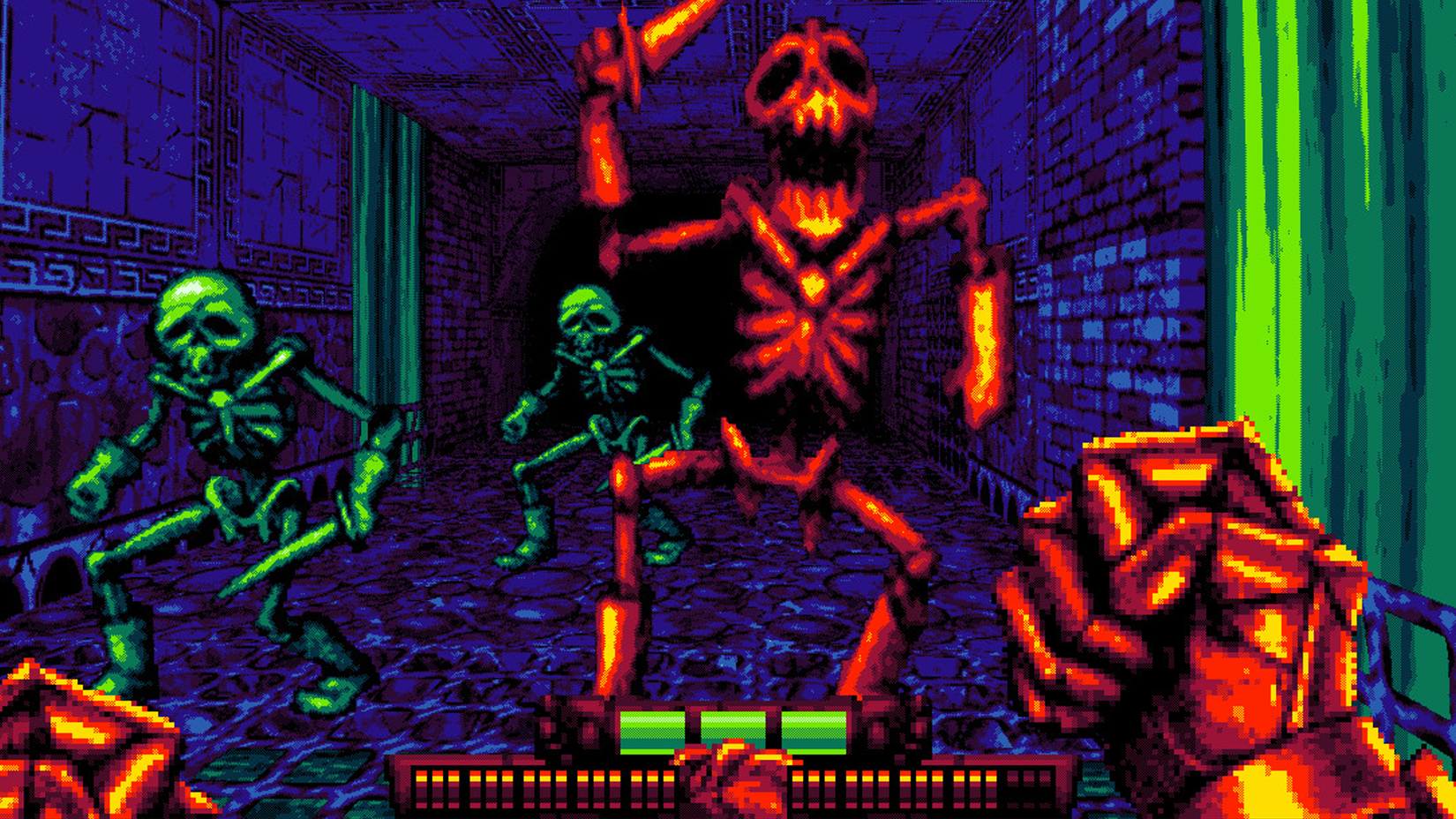
If you pictured a typical fantasy knight, they’d probably be equipped with some manner of knightly weapon like a sword or a shield, right? Consider this, though: full plate mail is solid, heavy, and jagged in places. A sword is good and fine, but if you’ve got the skills to throw hands like Fight Knight, an armored knuckle works just as well.
In Fight Knight, the titular knight saunters into a town that’s been overshadowed by a giant, monster-filled tower, and storms its vast insides with nothing but his own bare hands. It’s a first-person dungeon-crawler, though the game likes to call itself a “dungeon-brawler.” This is because, whenever you encounter an enemy, you perform blocks, parries, and searing haymakers with your armored dukes. It’s a surprisingly robust fighting system, demanding all the skill and timing you’d expect from an actual boxing game.
Fight Knight also has some environmental puzzle elements in a similar vein to something like Etrian Odyssey. You move from tile to tile in the dungeon and overworld, so you need to consider your positioning and mind the map so you don’t end up getting lost.
8 Dungeon Munchies
Nuclear Gastronomy
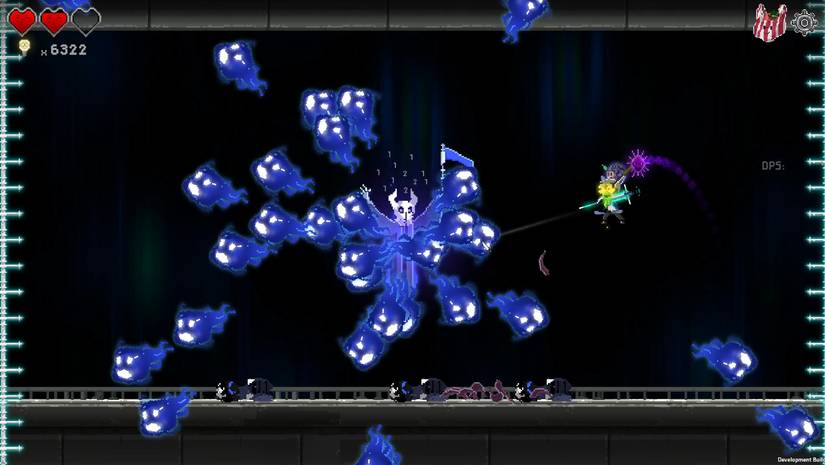
Good food can give energy to a tired body, blow spirits into the weary mind. The first time you eat something truly delicious and invigorating, you feel as though you can take on the world. In Dungeon Munchies, that metaphor is surprisingly apt. Not only does the right meal give you superpowers, but you will also, in fact, take on the world with them.
Dungeon Munchies is a platforming adventure where you, a nameless revenant revived by a chef-slash-necromancer, must explore the massive underground complex you’ve found yourself in, taking on sentient food to assemble all manner of infernal dishes and weaponry to enhance yourself. It sounds like an incredibly silly premise, and it is, but it’s also one of those Adventure Time-style settings where the silly veneer hides some majorly messed-up worldbuilding, quite a treat for loreheads.
As you harvest resources from the complex’s denizens, you can craft them into a gigantic catalog of both meals and weaponry. Some tasty fish gives you a protective shield of water, cast-off crab claws can be used to fashion a massive sickle, and a few computer components can be synthesized into a full-on assault rifle.
7 The Big Con
Pickpocketing 101
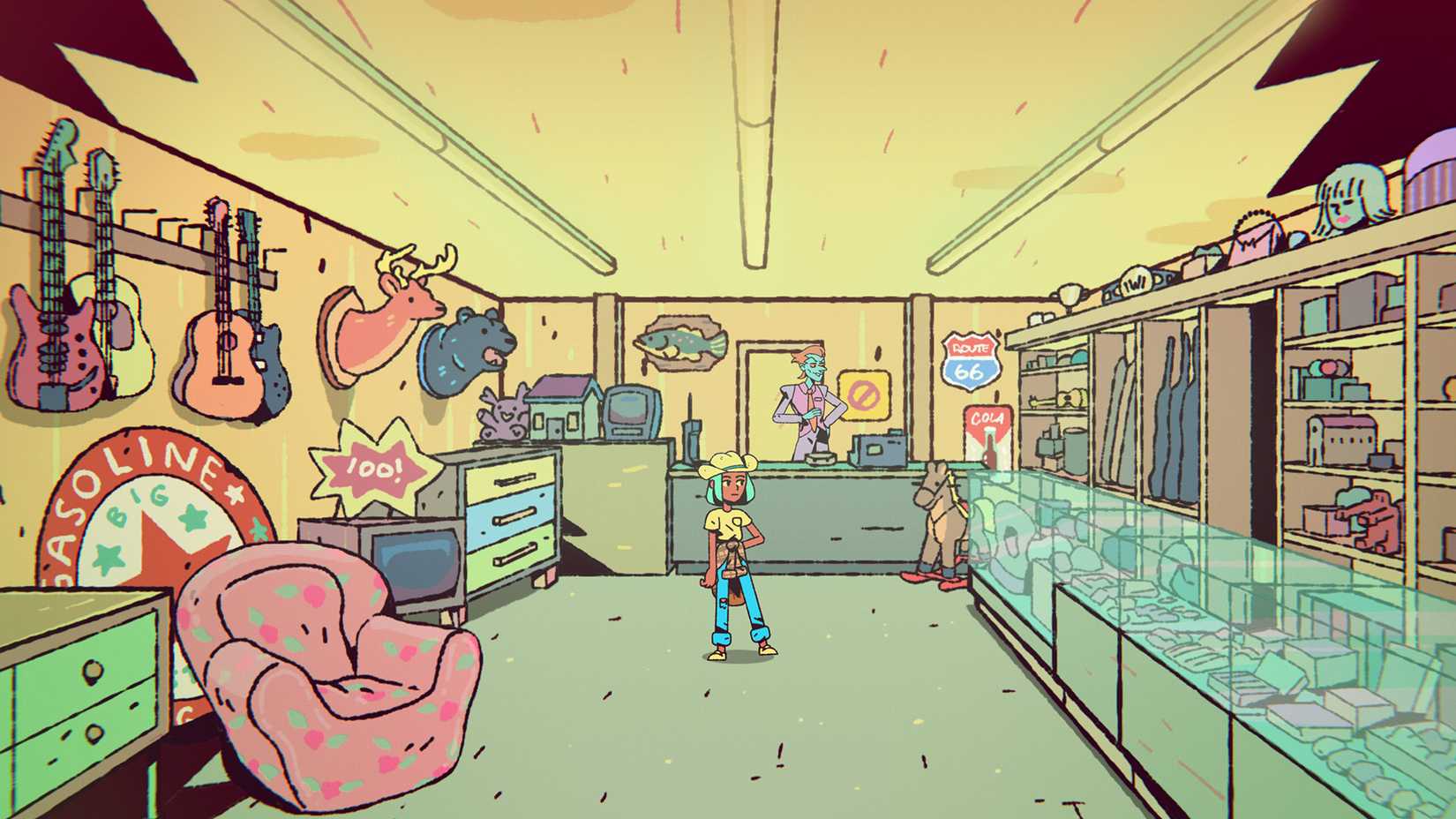
I don’t condone thievery in real life, but I do respect a good hustle. There’s an undeniable artistry to con artistry, a combination of misdirects, sleight of hand, and good ol’ fashioned lying like a rug. There are plenty of games where you can dabble in thievery, but The Big Con specifically places the concept against the backdrop of mid-90s adolescence.
The Big Con is a puzzle-adventure game that follows Ali, a high schooler who takes off on a personal summer road trip in order to swindle enough money to save her family’s video rental store from loan sharks. If the premise didn’t tip you off, the game is saturated in 90s nostalgia, from VHS tapes to Crystal Pepsi, all with a colorful, angular presentation reminiscent of an era-appropriate Nickelodeon cartoon.
Over the course of your trip, Ali can engage in all manner of mildly-illegal shenanigans, pickpocketing passersby, picking locks, and engaging in long-term cons over the course of multiple cities. Depending on who you swindle, bigger, better opportunities for cash may present themselves later down the line, if you’re crafty enough to exploit them.
6 Bad Mojo
Hope You Don’t Mind Dead Things

FMV adventure games have seen something of a resurgence in the last decade or so, with standouts like Her Story and Not For Broadcast showing just how viable this forgotten genre can be. All the same, it’s important to know your roots, and that means highlighting the exceptionally weird FMV games from ages past like Bad Mojo.
Originally released in 1996, then updated in 2004, Bad Mojo is the unfortunate tale of Roger, a deadbeat who finds his soul transplanted into the body of a cockroach. Using the sewer system of his apartment and the bar below it, Roger needs to find a way back to his body while dodging hazards like larger predators and the occasional garbage disposal. It’s a weird premise for a weird game, but it’s the kind of weirdness everyone should experience at least once.
Bad Mojo is a puzzle-exploration adventure, requiring a healthy amount of out-of-the-box thinking in order to manipulate the environment from your pint-sized point-of-view. Hopefully, you’re not bothered by a surplus of insects and dead things, because there’s a lot of both in the building’s walls. Underneath all the rot, there’s a surprisingly compelling little story behind Roger’s misfortune, as well as that of the building’s owner, Eddie.
5 Gurumin: A Monstrous Adventure
Like Your Favorite Childhood Anime
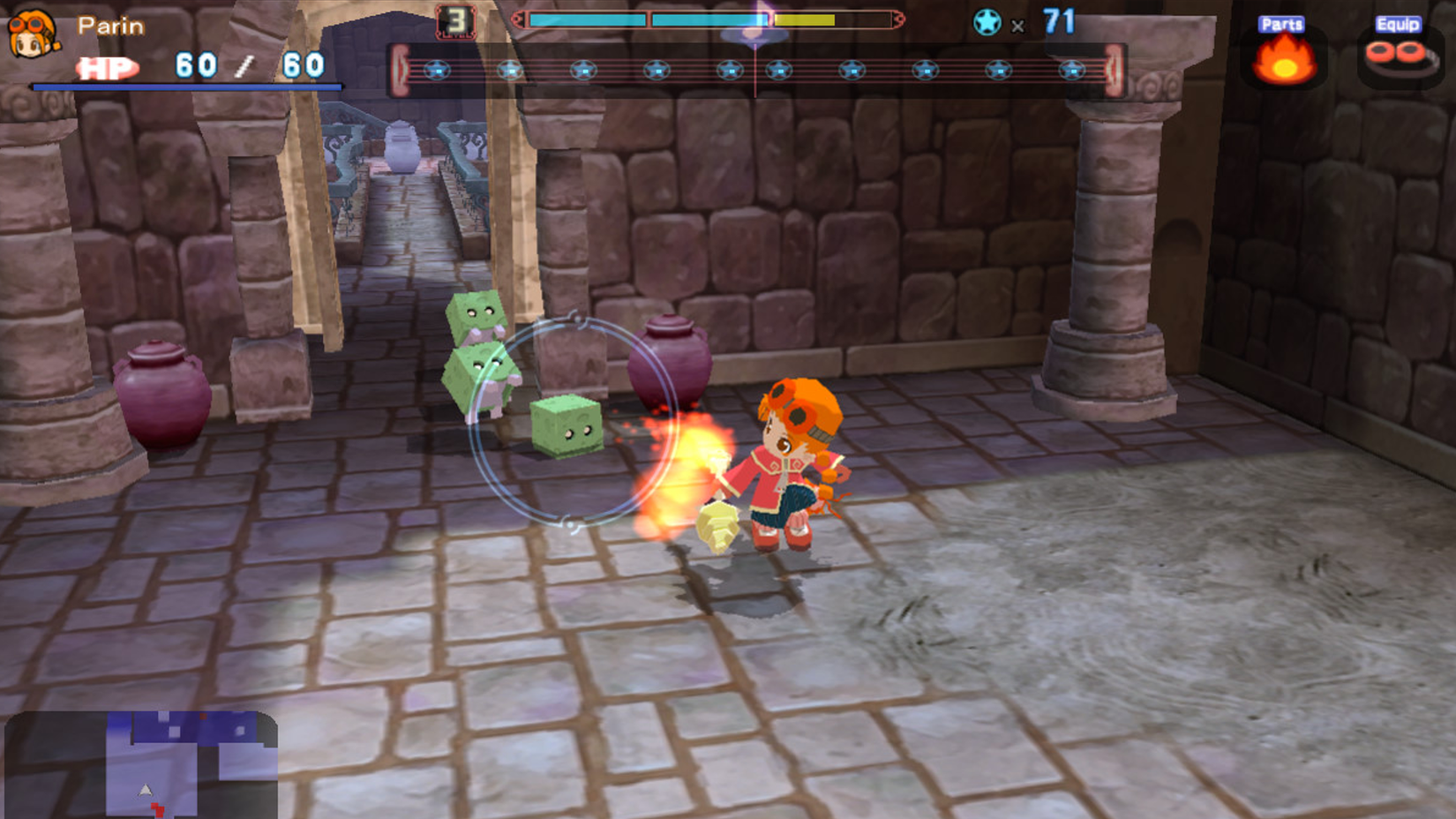
Gurumin: A Monstrous Adventure
There were a lot of anime and cartoons in the 90s and 2000s involving kids befriending some manner of otherworldly monster, Digimon and Pokémon chief among them. It’s just a good premise, not just for a show, but apparently also for a video game like Gurumin: A Monstrous Adventure.
Gurumin follows Parin, a young girl who moves in with her grandpa in a small mining town, only to stumble upon a hidden village of friendly monsters. Being a meddlesome type, she takes it upon herself to aid with the problems of both communities, portable drill staff in hand. It’s a pleasantly light-hearted adventure reminiscent of those anime I mentioned, complete with lots of silly characters and smarmy sight gags.
Related
10 Best 'First-Ever Games' For Kids
Introducing a child to video games can be tricky, but these 10 titles are sure to be great entry points to the medium.
Gameplay-wise, it’s an action-platformer adventure, where you can explore the hub areas for NPCs to chat up and jobs to take up, as well as a hefty variety of stages and boss battles to conquer. There’s not really a lot to say about Gurumin; it’s just a nice, no-frills adventure. We could all use one of those sometimes.
4 Ruffy And The Riverside
Copy And Paste
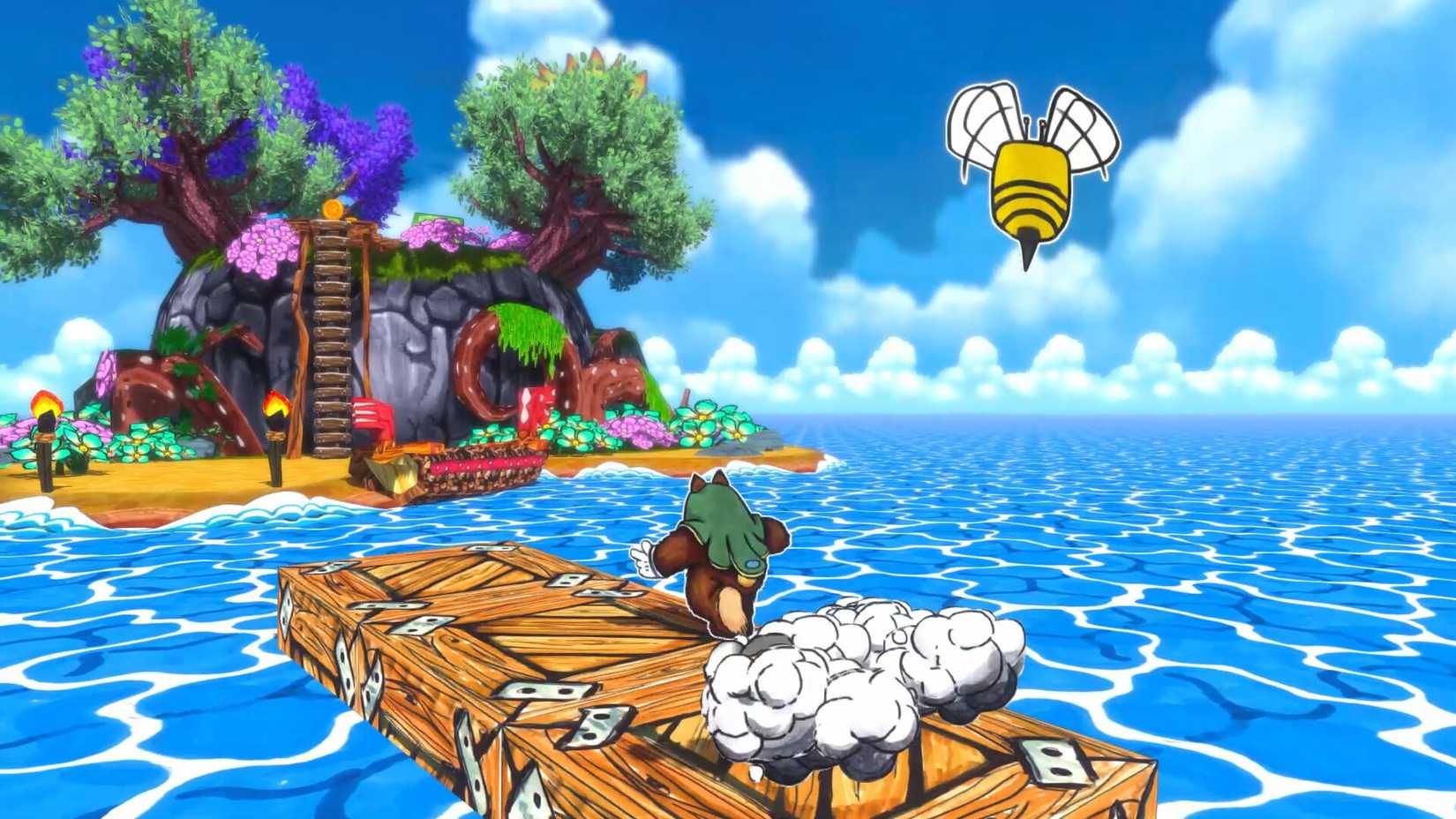
It’s always kind of weird, the first time you realize most objects in video games are just blank shapes with patterned textures laid out on top of them. Good texture work is what makes a game world feel alive and vibrant, and in Ruffy and the Riverside, that texture work is also the basis of one of the game’s central mechanics.
Ruffy and the Riverside is an open-world platforming adventure, with hand-drawn 2D character sprites milling about in a 3D world. Our hero, Ruffy, is your typical adventurer, out to save the world from an evil villain, with a not-so-typical ability: he can copy textures from any solid object, then temporarily paste them elsewhere. In the blink of an eye, a waterfall turns to climbable ivy, or a vast ocean turns into a sheet of solid rock.
Using this texture-swapping ability, you can freely explore the open worlds, tracking down collectables, completing sidequests, and playing mini-games. Changing the properties of objects and obstacles can solve puzzles and open up previously impenetrable pathways, leading to plenty of brain-tickling emergent gameplay moments.
3 Meg’s Monster
No Crying Til The End
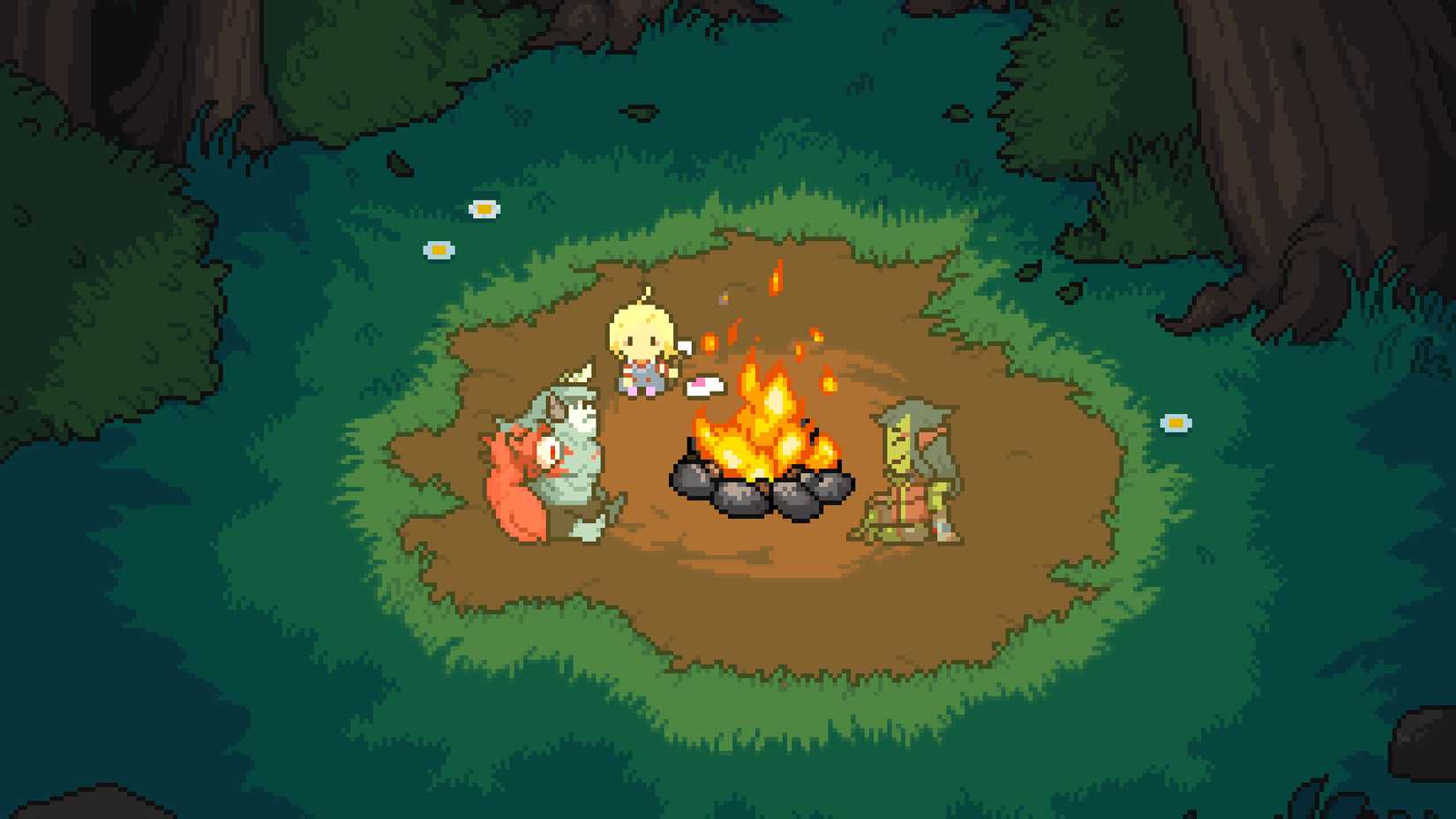
Obviously, nobody likes the sound of crying children. Besides just being loud and unpleasant, I can’t help but feel a pang of guilt when someone near me is upset and I’m incapable of helping. That’s bad enough, but if a crying child was going to end the world like in Meg’s Monster, I’d probably feel even worse about it.
Meg’s Monster is a pseudo-RPG adventure in which hulking monster Roy stumbles across the titular Meg in his underground monster world. Something in Roy’s gut tells him that if Meg starts crying, the world as he knows it will come to an end, so he endeavors to keep her placated while looking for a way to send her home.
Meg’s Monster has encounters and turn-based combat like an RPG, but that’s not really the crux of it. Roy’s completely invulnerable, after all, but seeing him get hurt upsets Meg and brings her closer to the critical crying point. Battles are more of a puzzle, as you need to figure out how to bring things to a swift conclusion while offering Meg an occasional pat on the head to keep her from crying.
2 Sam & Max Save The World
The Classic Duo Live On

Sam & Max: Save the World
Before Telltale Games became known as the Walking Dead “choices matter” company, it dealt primarily in more traditional point-and-click adventure games. I wish that aspect of its history was more widely known, especially because one of its first major offerings, Sam & Max Save the World, remains one of my favorites.
Remastered in 2020 by Skunkape Games, Sam & Max Save the World is the first episodic point-and-click adventure game Telltale put out with the classic dog and rabbit-thing duo. Sam is the thoughtful dog in a trenchcoat, Max is the hyperkinetic lagomorph, and together, they’re the Freelance Police, taking on exceptionally weird and stupid cases to save the world from an all-encompassing conspiracy.
It’s a fairly traditional point-and-click game, but the real draw is the writing and characters. Some of the gags in Save the World still randomly pop into my head and make me chuckle like an idiot. Admittedly, some of the early-2000s humor hasn’t aged the best, but Skunkape Games did its best to prune out anything too off-color. If that bothers you, you can still play the original release via free DLC, warts and all.
1 Arzette: The Jewel Of Faramore
Even Meme Games Can Be Reborn
Arzette: The Jewel of Faramore
Anyone who’s been on the internet for long enough knows about the legendarily awful Legend of Zelda games that were released on the Phillips CD-I, as well as the deluge of hilarious memes and YouTube videos that followed them throughout the 2000s. As bad as those games were, their prevalence in meme culture have made them somewhat ironically beloved, which I assume is the reason someone took a shot at making a less-bad game in their image.
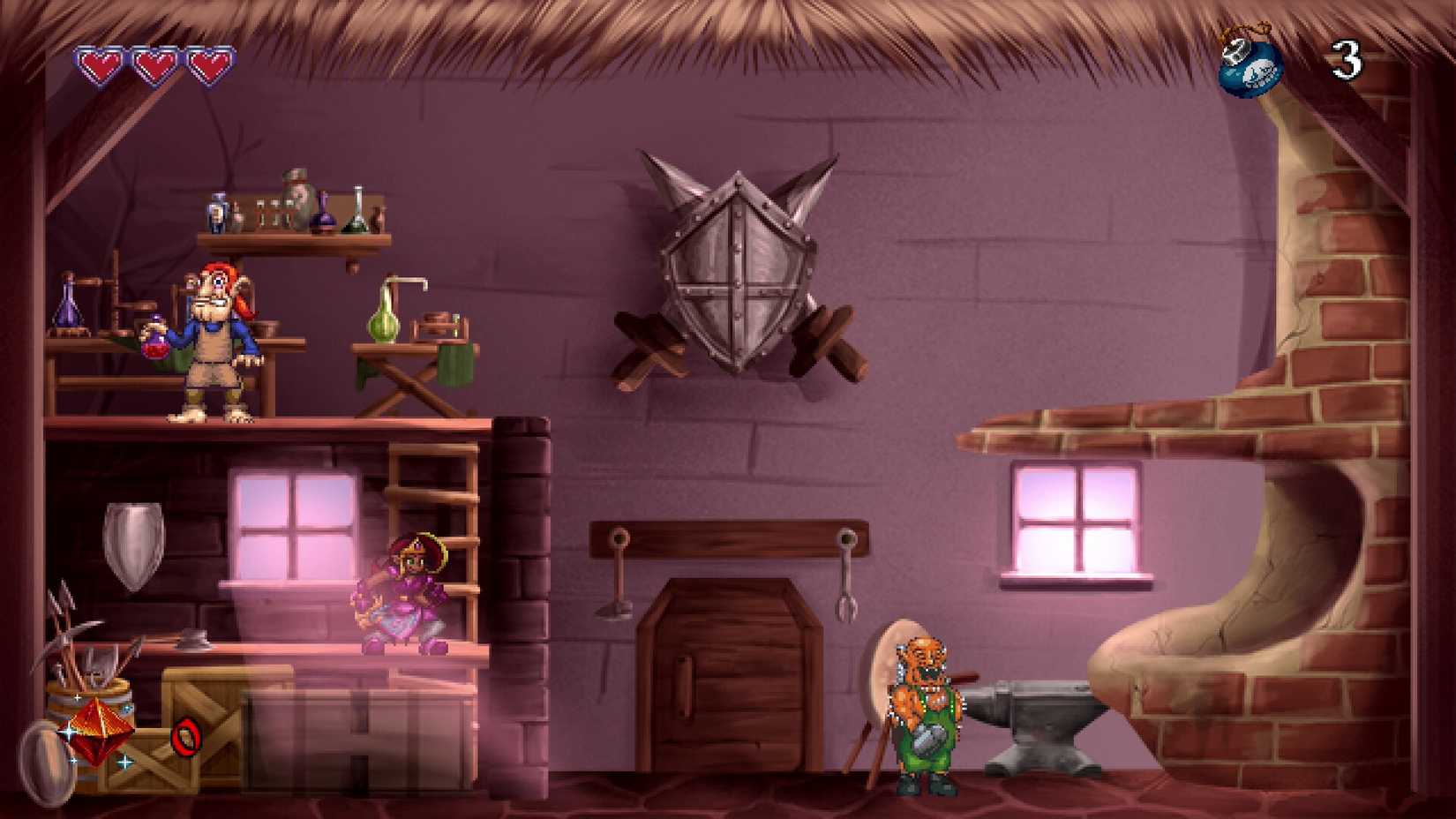
Arzette: The Jewel of Faramore is an action adventure game cast in the mold of the Zelda CD-I games, complete with hand-drawn, lovably weird cutscenes, but with actually good and fun gameplay helping to escalate the experience. Arzette is the princess of the titular kingdom of Faramore, and when an ancient evil is unleashed, she journeys cross-country to defeat his minions and meet a lot of strange people in the process.
Arzette has a similar format to the CD-I games, with a handful of interconnected levels requiring platforming and backtracking to clear quests and uncover secrets. The difference is that the mechanics actually, y’know, work. Combat is fun and simple, it’s easy to come and go from levels as necessary, and you can use items in front of doors! You wouldn’t think that would be something you’d need to account for, but here we are.

Next





![ELDEN RING NIGHTREIGN: Deluxe Edition [FitGirl Repack]](https://i5.imageban.ru/out/2025/05/30/c2e3dcd3fc13fa43f3e4306eeea33a6f.jpg)
 English (US) ·