.png)
 1 month ago
16
1 month ago
16

Published May 5, 2026, 10:50 AM EDT
The long, long overlap of console generations has finally drawn to a close
 Photo: Tom Connors/Polygon
It's a simple post, only intended to squash a false rumor. But it's also kind of momentous. On Monday, the official Call of Duty X account said, "Not sure where this one started, but it’s not true. The next Call of Duty is not being developed for PS4."
It had to happen at some point. The biggest annual game franchises, like Call of Duty and the FIFA/EA Sports FC series, often continue to support older console generations for longer than other games and studios. These games have large, casual audiences who don't necessarily jump to upgrade to a new console generation when it becomes available. Eventually, however, they will move on.
But it has seldom, if ever, happened so late in the game. The last Call of Duty to hit PlayStation 4 — last year's Call of Duty: Black Ops 7 — was the 13th game in the series to appear on the platform. It was the sixth in a row to be published on both PS4 and PS5. (The same holds true for Xbox One and Xbox Series X.)
For this series, that's unprecedented. PlayStation 3 saw 10 Call of Duty games, but only three cross-gen titles that also came out on PS4 — and the last of these, Black Ops 3, was severely cut back on the older console. The only comparable overlap in history is probably the FIFA games of the late 2000s and early 2010s, when seven consecutive games were released on both PlayStation 2 and PS3. (In fact, EA kept faith with the PS2 for so long that the console's final FIFA game, FIFA 14, came out on PS2, PS3, and PS4.)
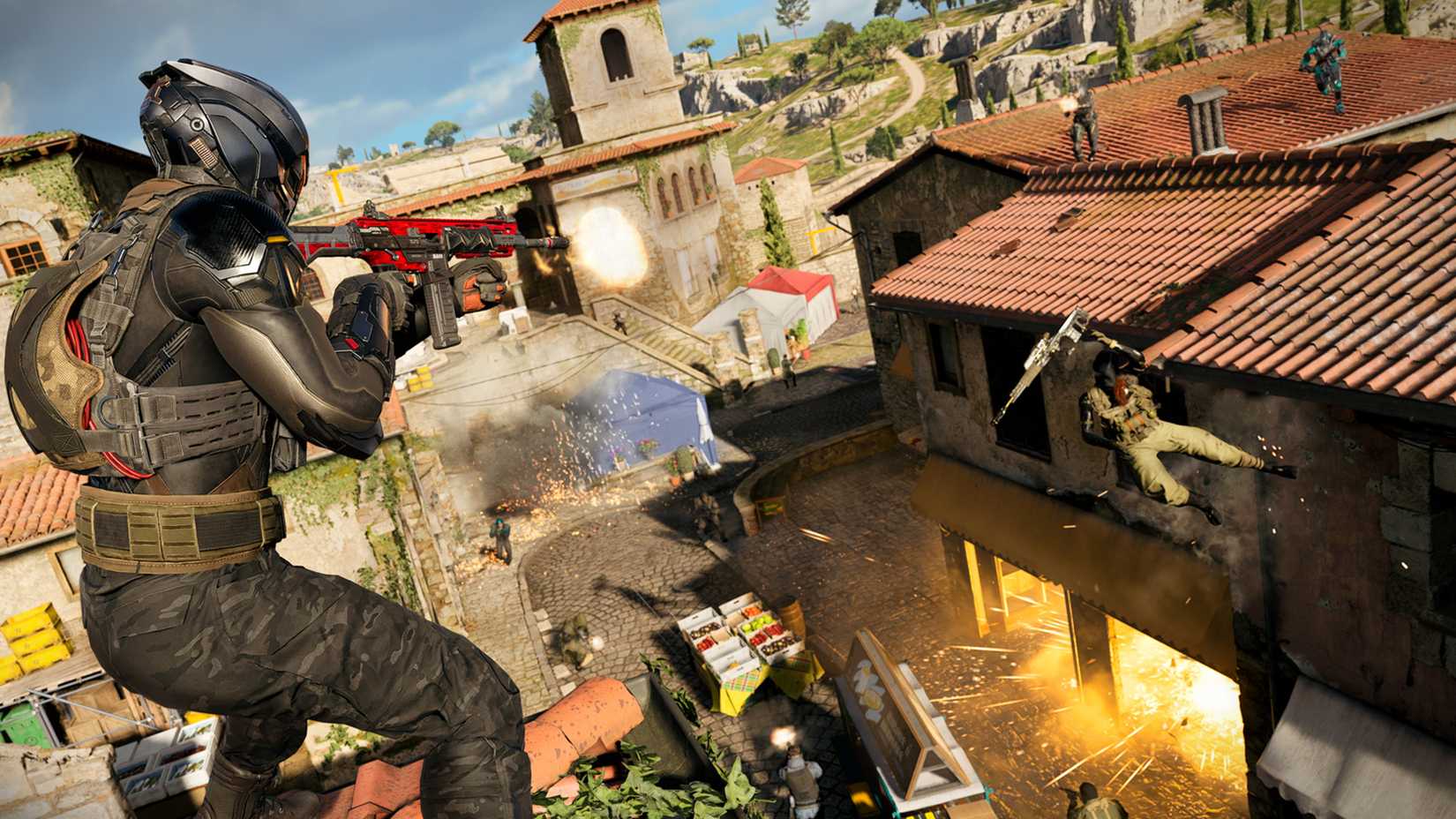 Image: Treyarch/Activision
The reasons behind PS4's long tail are well understood. During this console cycle, players have been slow to upgrade for a number of reasons. There's the relatively high cost of the consoles, which haven't been discounted (in fact, they've gone up in price). There are the diminishing returns of the new hardware, which doesn't offer a night-and-day improvement over the previous generation in terms of graphics; it follows that the older consoles don't require creators to make severe cutbacks to their visions. There's the fact that many of the biggest games in the world — notably including Fortnite, Roblox, and Minecraft — have low tech requirements and play just as well on older consoles.
It seems the balance has finally tipped, however. Activision's decision to drop PS4 (and, presumably, Xbox One) from the Call of Duty lineup is likely based on a calculation that the cost of developing for the older platform — and the opportunity cost of ensuring that the game design will work on it — is no longer justified by potential PS4 sales. It's probably also influenced by the expected release of Grand Theft Auto 6 on PS5 and Xbox Series X this year, and an expectation that a great many of the holdouts among Call of Duty players will finally be upgrading in order to play that game.
It remains to be seen whether EA Sports FC will persevere with PS4 and Xbox One for another year. It's also worth remembering that no console will truly die as long as you can still play Fortnite, Roblox, and Minecraft on it. But still, the loss of Call of Duty and the impending arrival of GTA 6 on their successors seems to mark the end of an era for the eighth generation of home consoles.
PS4 had a great run, up there with PS2 — so much so that it was perhaps to the detriment of PS5, which is a successful console that seems like it's still waiting for its big moment. This year, six years in, it finally gets that moment, and the torch is passed. Will PS5 hang on as long before it passes the torch to PS6?
 Related




![ELDEN RING NIGHTREIGN: Deluxe Edition [FitGirl Repack]](https://i5.imageban.ru/out/2025/05/30/c2e3dcd3fc13fa43f3e4306eeea33a6f.jpg)

 English (US) ·