.png)
.png) 4 months ago
101
4 months ago
101

Published Mar 7, 2026, 3:16 PM EST
Ben Veress is a Contributing Features Writer based in Melbourne, Australia. Starting his gaming journey with Star Wars Episode 1: Jedi Power Battles on the PS1, he quickly developed a passion for all things gaming. He's written for several sites since, including Kotaku AU, Gizmodo AU, Vice AU, Pedestrian.TV, and many more.
Dragon Quest VII Reimagined has been out for a few weeks now, and I, like many nostalgia-chasing RPG fans, have been thoroughly enjoying this delightful remake.
So much so that I couldn't help but wonder if this may just be one of the best remakes of a beloved PlayStation classic of all-time.
RPG fans are no strangers to remakes that make sweeping changes to the original source material. Some of these can be for the better, like in the case of the recent Final Fantasy 7 remakes, which take wild departures from its original title. Other remakes can go the other way, playing things too safe to the point where a remake can almost feel redundant.

Related
8 Most Revolutionary JRPGs Every Fan Needs to Experience
These are games for those who want to dig deeper into the genre.
After playing Dragon Quest VII Reimagined, I believe full-heartedly that the development team at Square Enix and Hexadrive have nailed a tough balance to create what may be one of the most satisfying remakes.
With rumors circulating of an upcoming remake of Final Fantasy IX and what shape it could take, I think it's worth looking at the recent Dragon Quest VII remake as an example of what we should expect, and why that's an exciting prospect.
Considerate Changes & Why Pacing Is Everything

We've seen an abundance of remasters and remakes come out over the years, ranging from "brilliant" to "shameless cash grab" or, at worst, completely disrespecting their source material.
A Dragon Quest VII remake was always going to have a tough job, given its passionate fanbase, who appreciate the weirder turns this particular entry took. For that reason, making changes to appeal to a modern audience risked alienating fans who appreciated the originals' slower pace and more unforgiving elements.
What stands out to me about this remake is how the team behind it managed to balance retaining the game's core experience while making changes to suit a modern audience.
A great comparison piece we can look at is the previous Dragon Quest VII remake for the 3DS, released in 2016. While an improvement to the original PS1 release, the 3DS port retained some of its more glaring pacing issues.
Related
10 JRPGs Designed For Players Who Love Getting Lost
If you're the sort of player who loves getting completely lost in a gorgeous JRPG world, then you need to check out this list ASAP!
Ask any JRPG fan about the opening few hours of the original Dragon Quest VII, and you can see the colour of life fade from their eyes. That's because in the original PS1, it could take over three hours before you see your first combat encounter. That's before getting into the game's random encounters and how long it took to level up vocations.
While the 3DS version tried to narrow this down, it still retained some of these issues. If you were to walk from the castle to your house in the 3DS version, it would take around three minutes. In the newly released remake, it takes 15 seconds. The 3DS version would also attempt to cut down on the grindy nature of the original; however, it would shove countless monster encounters in tight corridors, so trying to avoid fighting would actually take longer than just clearing all the battles. Yes, this spared you running around deliberately trying to grind, but it was still an interruption nonetheless.
Ahead of the game's release, producer Takeshi Ichikawa shared that locations such as El Ciclo, Gröndal, and Providence were cut from the game. Certain dungeons and locations would also be shortened or even removed from the game in favor of an experience that flowed together nicely, instead of these longer, disconnected gaps that, frankly, bloated the game with content. Yes, fans would have no issues with this bloat, but it's a core aspect of the game, rightly criticized by casual fans.
What Dragon Quest VII Reimagined does better than any remake I've played in recent memory is how it isn't ashamed to trim down sections for a better experience, even at the risk of alienating long-term fans. It shows an immense amount of planning and consideration from the team in the remake, allowing them to look at the original, honor what it did, and enhance its strongest parts.
A Graphics Glow-Up Done Right

As with any modern remake, graphic improvements are a must. However, with the series having such an iconic art style, a new graphics overhaul runs the risk of losing its charm and the magic that drew fans in to begin with.
The team's solution here was to recreate Akira Toriyama's original designs using real-life dolls. Not only do these capture the charm of the original design, but they also breathe so much life into the characters.
Even better, the remake adds a new diorama-style, allowing players to rotate their camera in a 360-degree view, no matter the location. As you play throughout the game, you'll be able to see all the corners of the world previously hidden, rendered in immaculate detail.
I think back to the PS3 remake of Final Fantasy X, which, in its effort to increase graphic fidelity, drained so much life from its character models and environments.
There's no denying that it feels like you're seeing how the game was meant to be envisioned in this remake. Every character looks colorful and vibrant, and the environments are wonderfully detailed.

Related
When the most recent Metal Gear Solid 3: Snake Eater remake was released, many fans criticized its new art style, which sought to modernize its aesthetic and lighting. As a result, the modern remake loses out on so much of its iconic color and atmosphere in favor of more realism. By fully embracing the cozy, cartoon-like wonder of Dragon Quest, this remake demonstrates the importance of retaining a core visual identity and not shying away from what makes it unique.
Impressive Options for Difficulty

Suppose you're playing the remake of an RPG after you've spent countless hours playing the original; odds are, you've mastered all combat has to offer. Where some remakes, like Nintendo's recent Shining Pearl and Brilliant Diamond, did little to revamp the game's difficulty, Dragon Quest VII Reimagined lets players choose their difficulty seamlessly.
At the start of the game, players can choose between Easy, Medium, and Tough modes. But if those descriptions don't fit your playstyle, there are also scalable toggles to better customize your playthrough. These range from how much experience you earn per fight, if you heal in between battles, how much damage you deal, the strength of monsters you encounter, and more.

Related
Dragon Quest VII Reimagined Review
Square Enix proves once again why it's the best when it comes to remakes.
You can toggle these freely within the options menu to match your desired difficulty. If you're tackling the game for the first time, you can set the mode to easy, or crank up the experience and damage dealt if you want a more manageable experience. Alternatively, if you're a series vet and miss the difficulty and grind of the original, you can opt for a challenge run by lowering your own damage and increasing enemies. There's plenty of room to play around with settings here to make the most optimal run, no matter how experienced you are with the game.
The original challenge of Dragon Quest VII is fairly contentious. Some fans would say that it was never the most challenging RPG to begin with; others would say that its immense grind restricted most playthroughs unless you were willing to invest the time in hunting down metal slimes.
Dragon Quest VII Reimagined offers that nostalgic difficulty for those masochistic enough to try it again, but also a revamped experience to draw in new players who may opt for a more casual time with the game.
A Good Blueprint, But Not Mandatory

This is all to say that I don't think every remake needs to take the very same approach as Dragon Quest VII Reimagined. Remakes like the recent Final Fantasy 7 games wonderfully build on the world of the original, bringing those iconic setpieces to life. Even the narrative changes help define those remakes as their own thing, rather than something to entirely replace the original.
What Dragon Quest VII Reimagined does better than any remake I've played in recent memory is how it isn't ashamed to trim down sections for a better experience, even at the risk of alienating long-term fans.
However, I think the recent Dragon Quest VII remake is an impressive benchmark for what a remake should aspire to be, even in essence. Something that can cater to both veterans and new players looking to understand why the original was so iconic in the first place.
While making changes to the narrative and cutting out areas and levels can definitely be a bummer, as the developers have shown here, it can also make for a stronger game. Not only did cutting these sections significantly improve Dragon Quest VII's pacing, but the developers also added stronger narrative moments, resolving decades-old gripes fans had about particular story arcs.
By keeping a keen eye on what the fanbase found beloved about the original, and taking an objective view on what they should cull, the development team at Square Enix managed to thread a tough needle here. Remakes should be about recapturing the joy fans have had for the game since its original release, while also heightening its source material, and I can't think of a stronger example that hits these criteria better than this recent Dragon Quest game.

Next
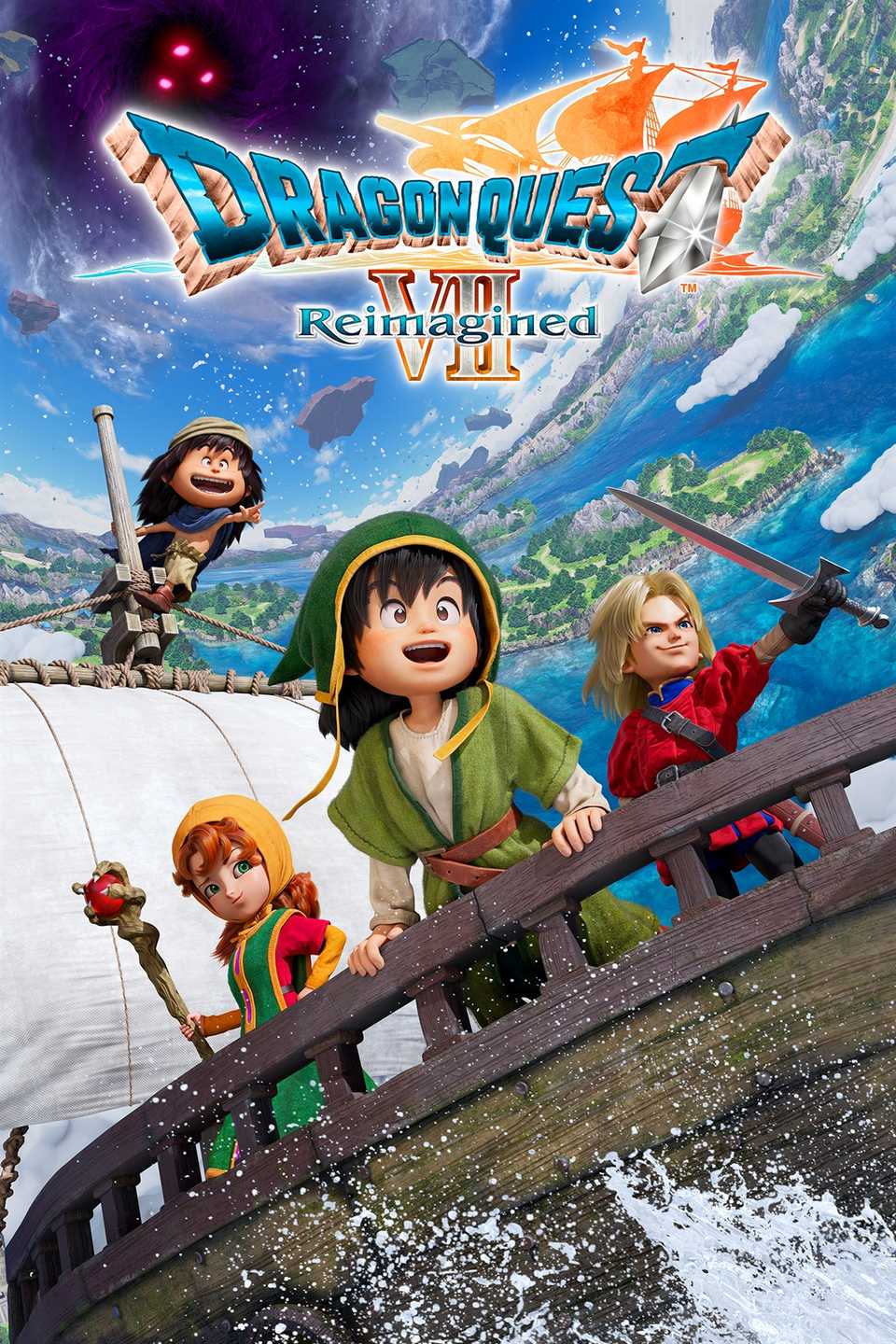
Released February 5, 2026
ESRB Everyone 10+ / Comic Mischief, Fantasy Violence, Mild Blood, Mild Language, Mild Suggestive Themes, Use of Alcohol
Publisher(s) Square Enix





![ELDEN RING NIGHTREIGN: Deluxe Edition [FitGirl Repack]](https://i5.imageban.ru/out/2025/05/30/c2e3dcd3fc13fa43f3e4306eeea33a6f.jpg)
 English (US) ·