.png)
.png) 2 hours ago
2
2 hours ago
2

Published Jun 30, 2026, 9:12 PM EDT
Linda Güster is a Contributor at DualShockers and a German, UK-based gaming journalist specializing in video games, esports, industry analysis, features, lists, reviews, interviews, and news. She has been writing professionally since 2020 and began covering video games and esports in 2025, turning a lifelong passion into her professional focus.
Before joining DualShockers, Linda worked as content lead for Esports Insider DACH and The Escapist Magazine Germany. She previously worked in software engineering and digital media, giving her a strong technical background and the ability to explain complex systems clearly. Across her career, she has written thousands of news pieces and covered gaming culture, esports, technology, and broader industry developments.
The Godot Foundation has announced that its contribution guidelines will be amended to prohibit AI-authored code, pull requests submitted by AI agents, and AI-generated text in human-to-human communication.
The announcement formalizes months of deliberation that the open-source game engine's maintainers first flagged publicly in February, when they described the rising tide of AI-generated contributions as "increasingly draining and demoralizing." After months of discussion, the line has been drawn.
 Related
AI is Ruining Game Sales, Numbers Show
Analyzing how notices can affect player engagement.
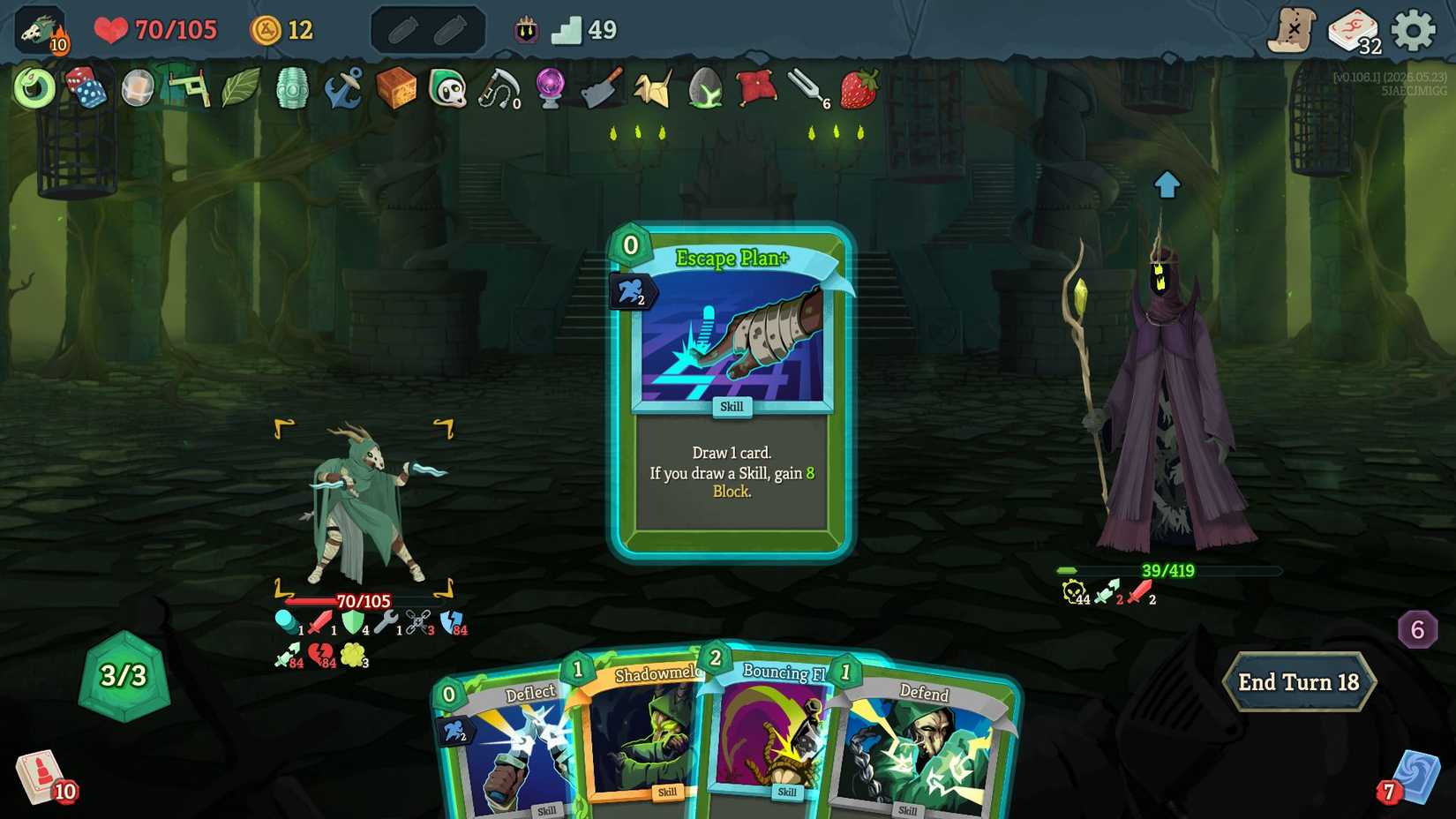
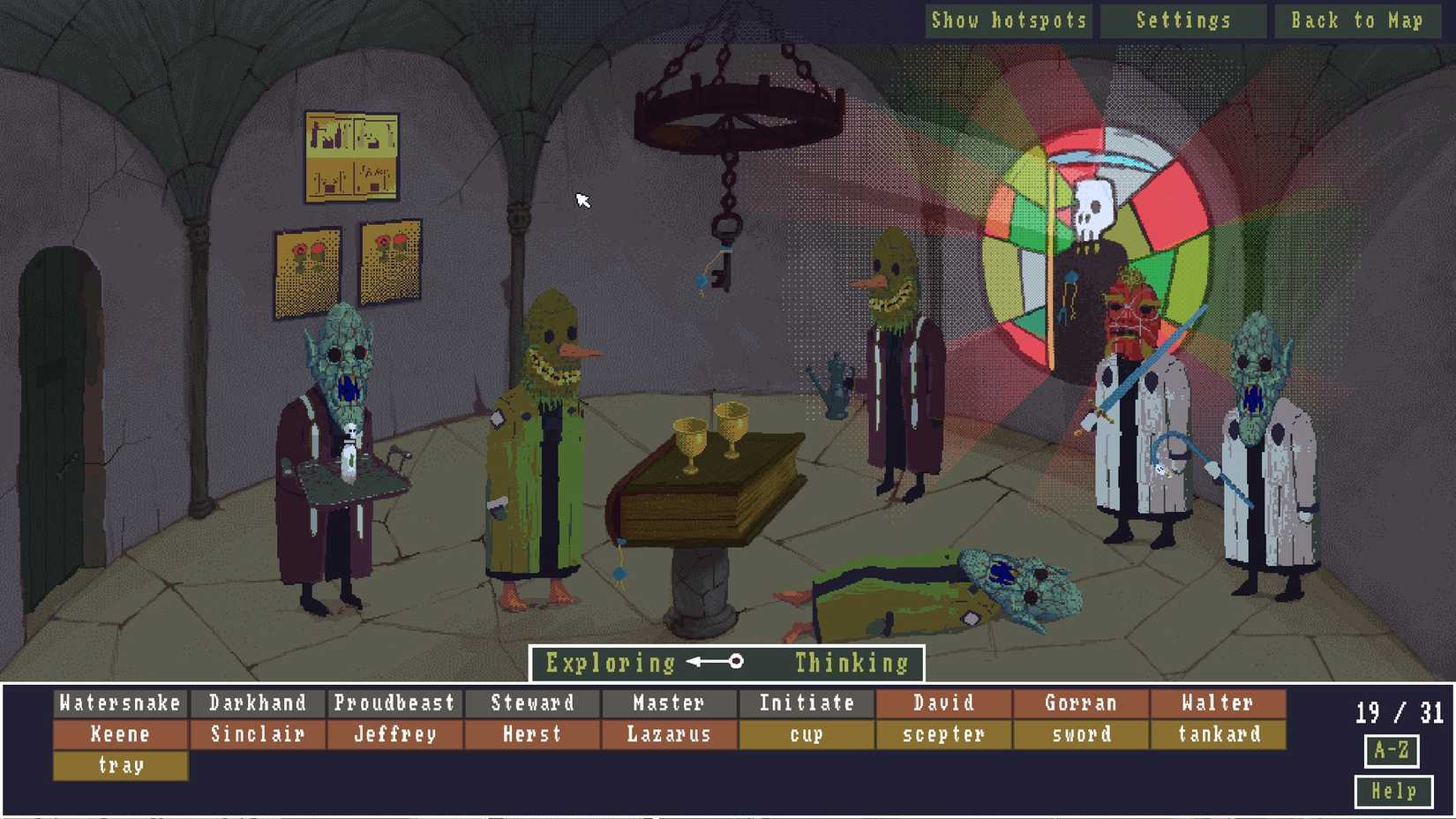
Godot powers games like Slay the Spire 2 and The Case of the Golden Idol, and is one of the most widely used open-source game engines in the world. Its contribution pipeline – where developers submit pull requests for review and potential merger into the codebase – has grown substantially, which the Foundation acknowledges is partly a healthy sign of interest in the project.
But buried in that growth is a problem they can no longer paper over: the number of qualified reviewers is small, reviewing pull requests is demanding, and AI contributions have flooded the queue faster than anyone can keep up.
The Policy in Full
The specific rules being added are clear. No autonomous AI agent use or vibe coding – this already triggers an automatic ban from the GitHub repository and will continue to do so. No use of AI to generate substantial pieces of code – the Foundation states that AI assistance should be limited to "menial things" like code completion, regex, or find and replace.
If AI was used in any capacity, contributors must disclose it in the PR discussion. No AI-generated text in human-to-human communication, because when a maintainer volunteers their time to review an issue, a PR, or a proposal, the Foundation considers it "a basic principle of respect" that they are talking to a person and not a machine. Machine translations remain acceptable as long as the original content was human-authored.
There's also a parallel policy change that isn't about AI specifically but addresses the broader backlog problem: new contributors – defined as anyone with three or fewer merged pull requests – will be prohibited from submitting new features or significant refactoring without explicit permission from maintainers. The intent is to build trust incrementally, getting new contributors working on bug fixes and documentation before they take on larger projects.
 Related
Krafton Announces Transition To 'AI First' Dystopia, Including Automated HR
Glen Schofield, director of the Krafton published Callisto Protocol, has also defended the adoption of AI in game development.
Why This is a Great Move By Godot
 Color Gray Games
The technical arguments against AI-generated code are fairly well-trodden at this point: quality variance, accountability gaps, the fact that "heavy users of AI" often don't understand the code they're submitting well enough to fix it when it breaks. All of that is in the Foundation's statement, and all of it is very legitimate.
The most interesting part of what the Godot Foundation published, however, is the human argument, not the technical one. They describe PR reviews as "already tedious work" that is nevertheless rewarding, specifically because reviewers feel their feedback is contributing to educating a new contributor who might become a future maintainer. That reward structure – the sense that you are mentoring someone, building something human, investing your free time in a person rather than a task – is what makes open-source maintenance sustainable in the long run.
The number of qualified reviewers is small, reviewing pull requests is demanding, and AI contributions have flooded the queue faster than anyone can keep up.
AI contributions break this fickle loop. When your detailed, considered feedback on a pull request is being absorbed by a machine that cannot learn from it, cannot grow from it, and will never become the next maintainer keeping the project alive, the incentive to spend your Saturday reviewing code starts to evaporate.
"If your feedback on PRs is just being absorbed by a machine and not going towards mentoring a potential future maintainer," the Foundation wrote, "it becomes much harder to justify spending your free time on PR review." Ensuring sustainability is important, and with this statement Godot proves that they understand the value of their contributors.
Other Projects Should Be Taking Notes

Open-source projects run on volunteer labour. The economics of an open-source arrangement depends on a specific kind of social contract: people give time freely because they feel part of something, because they're learning, because their contributions are seen and valued by other humans who are doing the same thing. AI agents don't participate in that contract. They consume its outputs – the reviews, the feedback, the mentorship – without contributing to its conditions. Over time, ignoring this would erode the entire system from the inside.
Godot is not the first project to grapple with this, and it most definitely won’t be the last. The Foundation has been careful to say they'll re-evaluate as AI tools evolve, and I’m sure that there are plenty of reasonable debates to be had about where exactly the line between "AI assistance" and "AI authorship" lies in practice.
The core principle they're defending isn't anti-technology; it's pro-human. Open-source software exists because people chose to build things together. That choice means something that a model trained on the output of that choice will never be able to replicate.
 Next:
Next:
RPG Maker and the New Dark Age of Information: How the Internet Is Losing Its Memory
Classic games, old forums, archived tutorials: Digital knowledge is disappearing faster than anyone is saving it.




![ELDEN RING NIGHTREIGN: Deluxe Edition [FitGirl Repack]](https://i5.imageban.ru/out/2025/05/30/c2e3dcd3fc13fa43f3e4306eeea33a6f.jpg)

 English (US) ·