.png)
 4 months ago
49
4 months ago
49
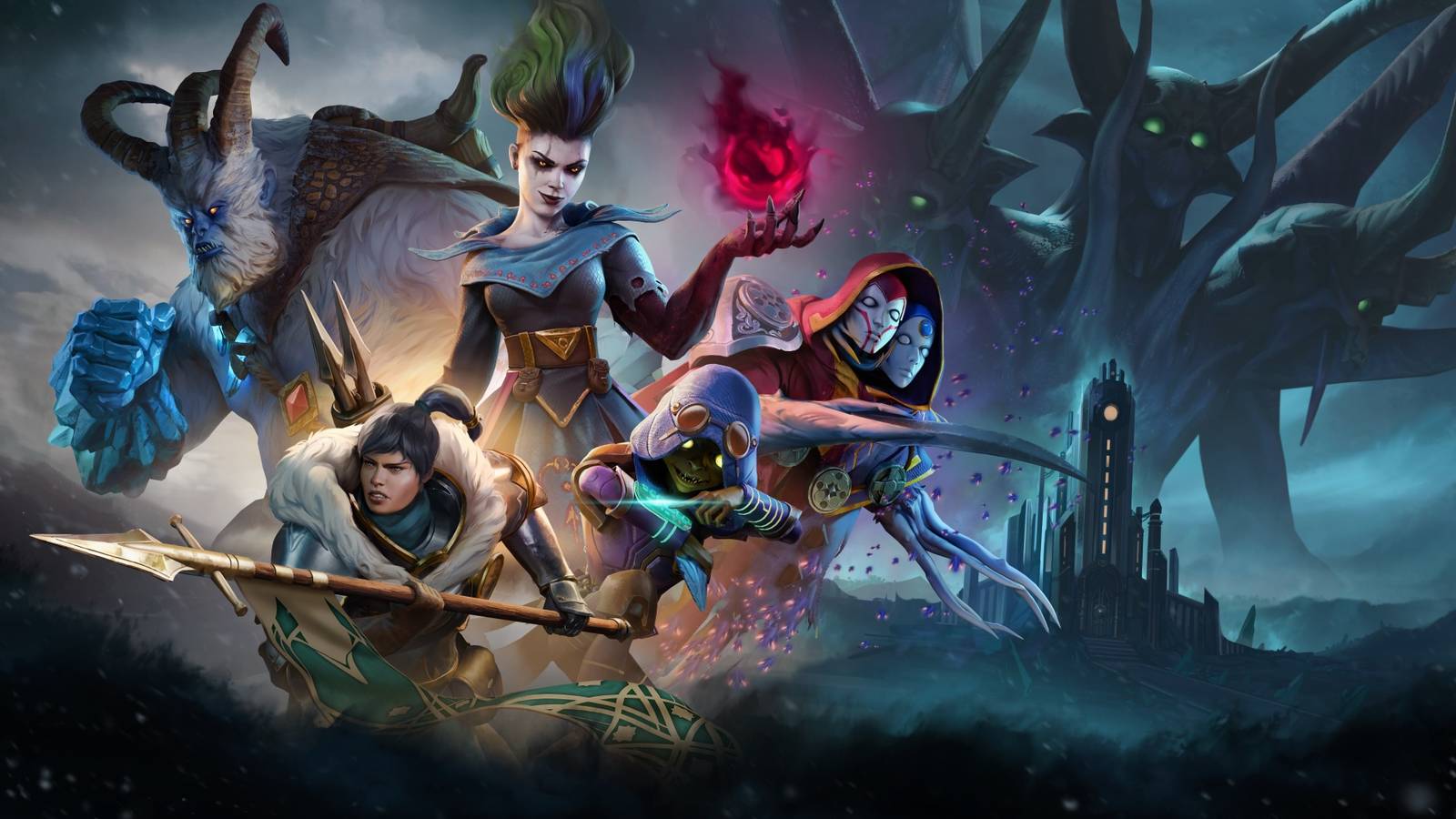
Highguard, released on January 26, 2026. It officially goes offline tomorrow, just 45 days later, on March 12, 2026. In the brief time between, it has been the subject of infinite discourse, the dissections of its failure occurring before it had even lost its new-game smell. Non-players, for some reason jubilant to see the 3v3 live-service hero shooter fail, looked for anyone to trample in their stampede, including former Wildlight developer Josh Sobel who dared to call out their behavior. Sobel deactivated his X account soon after, but has now reactivated it and published an explanation.
Josh Sobel, one of many people at Wildlight who lost their jobs in the aftermath of Highguard‘s release, posted to X a since-deleted piece about his personal experiences from the ill-fated reveal at the Game Awards, through the abuse he received on his socials, to the role he believed the hostile audience played in the game’s failure. (You can read the full text here.) “I’m not saying our failure is purely the fault of gamer culture and that the game would have thrived without the negative discourse,” Sobel wrote February 12, “but it absolutely played a role.” Standing up for his colleagues, and expressing pride in their work, the post received the expected levels of irony. Those so mortally offended at the suggestion that their hostile behavior might have a negative impact launched an onslaught of hostility, causing Sobel to deactivate his account.
Aware that a deactivated X account gets deleted after a month, Sobel has now brought his back to life, and addressed what he calls “the elephant in the room.” Calling his deleted post a “mistake,” he explains that “I was stressed, devastated, angry, and running on 2hrs sleep. It was not wise to take my pain to the internet in that volatile state.”
Since I reactivated my account, I’ll address the elephant in the room. My now-deleted tweet following the Highguard layoff news a month ago was a mistake. I was stressed, devastated, angry, and running on 2hrs sleep. It was not wise to take my pain to the Internet in that… pic.twitter.com/oWPIIPWqin
— Josh Sobel (@Joshiepoo25) March 10, 2026
While standing behind his intent, the technical artist says he “phrased it poorly, and some of my anger was misdirected.” Sobel re-acknowledges that “very dark corners” of the online discourse could have “accelerated the timeline of our failure,” but despite never having said so in his original post, adds “but it wasn’t the primary cause.”
“There were a lot of elements involved,” he says, “and there’s no way to know how it would have gone under different circumstances.”
This whole situation is so galling, given Sobel’s original complaints were recognizing the grim negativity and abuse he and his colleagues had faced as a result of a concerted campaign of hate against a game, long before anyone had played it, then suggesting this could have played a part in hurting the game’s chances. Usually, such “very dark corners” of the internet boast with utter glee when they perceive their campaigns as having hurt a game, delighted to recognize the power “gamers” have over the fate of releases, so his being targeted for agreeing (no matter how inaccurately) is wild. As it happens, Highguard likely saw around 1.5 million people play in its opening days, with a peak concurrent audience of around 100,000, but those people did not come back, suggesting it just wasn’t a game people wanted to play. But there’s little room for doubt that the intense levels of vitriol targeted at the project colored the experience, and at the very least didn’t help. It was pre-determined to be the “next Concord,” long before anyone had tried it, and that takes its toll.
Quite why anyone would restore an X account at this point is mysterious, but Sobel says it’s he values the connections he’s made on it. Thankfully he’s set his replies to followers only.




![ELDEN RING NIGHTREIGN: Deluxe Edition [FitGirl Repack]](https://i5.imageban.ru/out/2025/05/30/c2e3dcd3fc13fa43f3e4306eeea33a6f.jpg)
 English (US) ·