.png)
.png) 4 months ago
32
4 months ago
32

Published Mar 8, 2026, 8:00 PM EDT
Reece is a First-class journalism graduate who has been writing about video games professionally since 2012. He is a former leading Zelda Universe editor with a particular fondness for survival horror and the original PlayStation era. Outside of games, he's reading Punisher comics, boring anyone within earshot about the importance of game preservation, or being thoroughly out-negotiated by his cocker spaniel.
When a major gaming franchise approaches a landmark anniversary, we don’t just celebrate — we speculate. Pokemon's 30th anniversary sent social media into a frenzy with its slew of exciting reveals, including next-generation mainline titles Winds and Waves, a Red/Blue soundtrack-playing Game Boy Jukebox, and many content updates for existing games.

Related
Crystal Dynamics Officially Kicks Off Tomb Raider's 30th Anniversary With Special Collabs
Numerous companies will release brand-new Tomb Raider 30th anniversary-themed products later this year to celebrate the gaming icon
As Nintendo Life reports, Capcom also has a Resident Evil 2: Arcade game, a soundtrack concert tour and other treats in store for Resident Evil's 30th. But these series delivering the goods doesn’t mean every franchise will — or more importantly, can — do the same. In fact, it may have made the rest of this year's avalanche of gaming anniversaries far harder to manage.
The Problem With Pokemon

2026 is a particularly stacked year for milestone gaming anniversaries. These are just some of the many franchises reaching round numbers over the next nine months:
- Resident Evil - March 22, 1996 (30th anniversary)
- Dragon Quest - May 27, 1986 (40th anniversary)
- Sonic the Hedgehog - June 21, 1991 (35th anniversary)
- Donkey Kong - July 9, 1981 (45th anniversary)
- Metroid - August 6, 1986 (40th anniversary)
- Crash Bandicoot - September 9, 1996 (30th anniversary)
- Persona - September 20, 1996 (30th anniversary)
- Castlevania - September 26, 1986 (40th anniversary)
- Tomb Raider - October 24, 1996 (30th anniversary)
- Halo - November 15, 2001 (25th anniversary)
- Animal Crossing - December 14, 2001 (25th anniversary)
- Diablo - December 31, 1996 (30th anniversary)
That's not to mention all the singular, culturally impactful games that have round anniversaries this year, such as Street Fighter 2, Duke Nukem 3D, Grand Theft Auto 3, Super Smash Bros. Melee, Super Mario RPG — you get the idea. Some of these may very well have grand plans in place for their big days, but all of them? No chance.
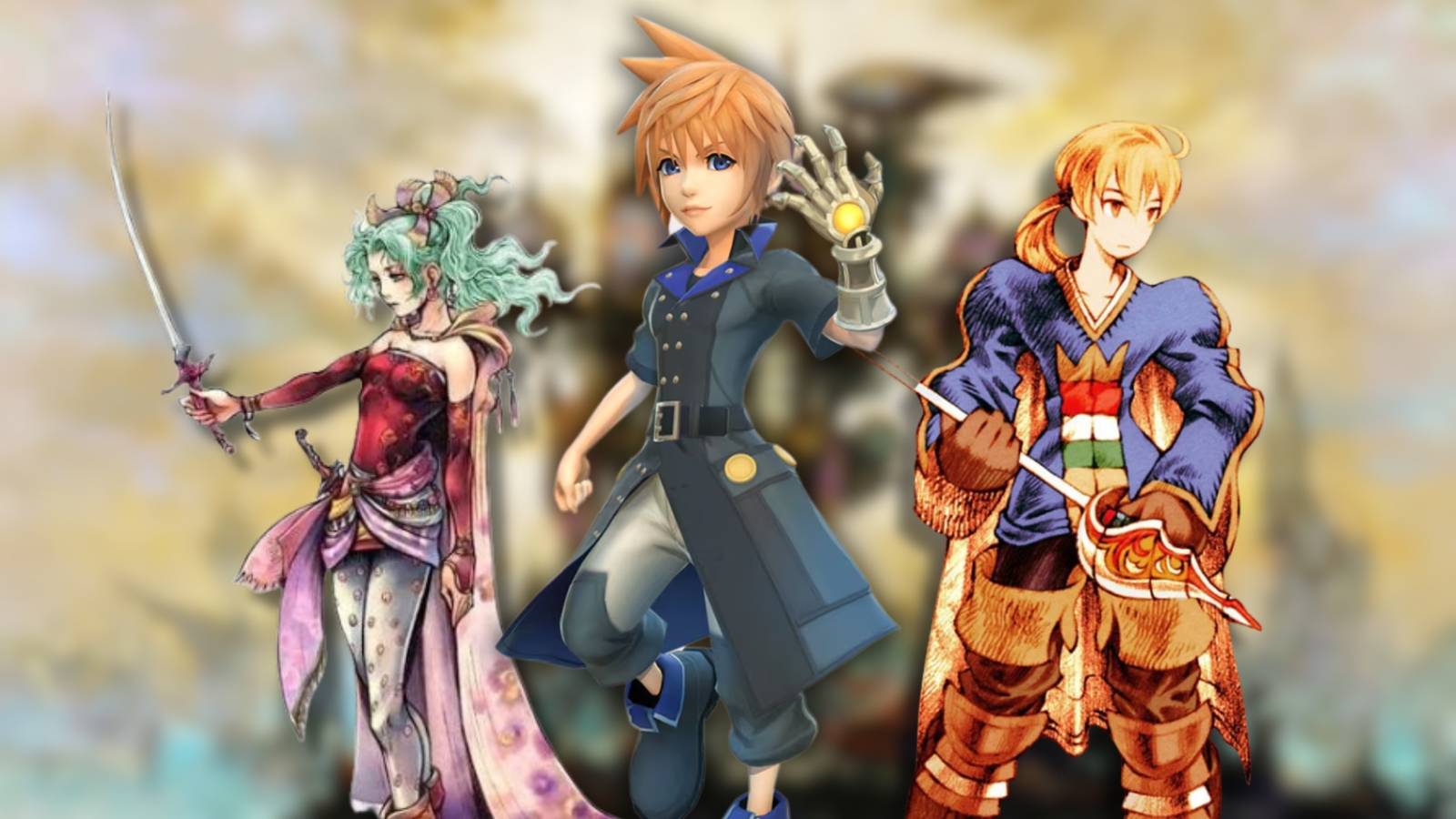
The issue isn’t that these franchises don’t deserve celebration, it’s that the modern gaming industry simply isn’t built to please everyone anymore. A striking example of how much things have changed was highlighted in a viral thread on X, which saw hundreds of Japanese gamers debating why Final Fantasy and Dragon Quest now appear less popular among younger audiences. A popular theory across the discourse was that modern development cycles are so lengthy that they now outlast childhoods.
The discussion also highlighted how Pokemon remains as popular as ever among Japanese fans due to the franchise's more consistent release schedule. While series like Final Fantasy or Dragon Quest often vanish for years, Pokemon rarely leaves the spotlight for long, with games, media, and merchandise producing a constant cycle of visibility. It’s an anomaly among most legacy franchises, which don’t have the luxury of riding on such a consistent momentum.
A Legendary Lull

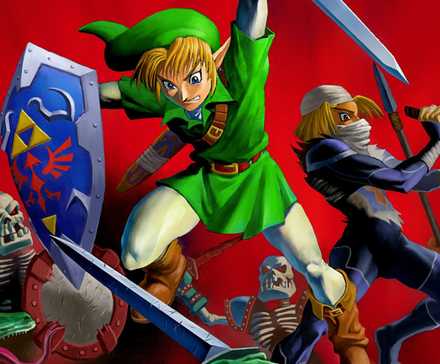
Pokemon's birthday followed immediately after another milestone Nintendo anniversary, with The Legend of Zelda series turning 40. The franchise defined the action-adventure genre, has several all-time greats in its catalogue, and delivered one of the most critically acclaimed games of the modern era. Zelda isn't dormant or struggling for relevance, yet unlike Pokemon, it sailed past its fourth-decade checkpoint with no fanfare from Nintendo. The company is almost certainly working on the next game in the series, but that doesn't mean a 40th birthday is going to force it out of hiding.
Related
The uncomfortable truth is, anniversaries may feel symbolic to us, but they are logistical headaches for publishers. Modern AAA development timelines don't bend around neat numbers, and not all projects are completed within five-year increments — some games take closer to a decade. Teams now number in the hundreds and budgets stretch into the hundreds of millions. There are complex factors that didn't exist two decades ago — such as engine shifts, photorealistic asset creation, and global marketing campaigns — that cause budgets to balloon and production schedules to expand. Projects are now typically greenlit years in advance, mapped against fiscal forecasts and publishing strategies rather than arbitrary dates on a calendar.
Risk is no longer a luxury in an industry defined by soaring costs and shrinking margins.
There is also the matter of limited space within a calendar year. Even if the stars magically aligned and every one of these franchises had major projects ready to unveil in 2026, they would be scrapping for the same limited marketing oxygen. Summer showcases are already crowded and the rest of the year isn't much calmer. There are already tons of overlapping release windows and colliding announcement cycles. Hype has a half-life, attention is finite, and risk is no longer a luxury in an industry defined by soaring costs and shrinking margins.
When Silence Feels Deafening

It’s a hard truth to swallow when everything seems to promise the opposite. Psychologically, we're wired to attach meaning to numbers, making us expect something momentous when a franchise hits a multiple of five. Reddit threads buzz for weeks leading up to the big birthday dates, fueling more speculation and wishful thinking.
The blaring birthday blowouts of the past also stick with us and become the reference point. The 25th anniversary of Metal Gear in 2012 gave fans an early look at Ground Zeroes and brought back classic entries in the Legacy Collection. Super Mario Bros.’ 30th anniversary in 2015 delivered Super Mario Maker, alongside 8‑bit Mario amiibo and special hardware bundles. Both also provided fans with a host of special events and commemorative collectibles. Our selective memories recall the fireworks rather than the quiet years, and over time, those standout celebrations established a broader assumption that big birthdays mean big news.

Related
We're in a connected age where reactions compound. So when our favourite series hits a milestone and nothing materialises, the silence can feel deafening. Disappointment spreads online and amplifies through social media. A wave of frustrated posts snowball and become the narrative, and before long, the lack of announcements becomes the story itself. We feel betrayed, as though a promise is broken — even when one was never made in the first place.
Perhaps that expectation needs recalibrating. A franchise reaching 20, 30, or even 45 years is truly an achievement in itself — especially in an industry as volatile as this one, where trends shift, series disappear, and studios close down at an alarming rate. The fact that these names remain relevant enough to spark speculation today speaks to their legacy and staying power. Longevity should be the real celebration.

Silence doesn't mean that studios aren't working diligently behind the scenes. Those precious reveals will still come when they're ready, and sometimes it's the wait that makes the payoff more satisfying. A meticulously crafted experience built over years will always beat something hurried to hit an imposed milestone — just ask the team behind 2006's Sonic the Hedgehog, a project rushed to coincide with the franchise's 15th anniversary that ended up being widely regarded as one of the worst games of all time.
Creativity can't always be dictated by a calendar, and in 2026, that may be the hardest lesson to accept.

Next
Rayman: 30th Anniversary Edition Review
Rayman returns in this solid, yet baffling compilation release.


![ELDEN RING NIGHTREIGN: Deluxe Edition [FitGirl Repack]](https://i5.imageban.ru/out/2025/05/30/c2e3dcd3fc13fa43f3e4306eeea33a6f.jpg)
 English (US) ·