.png)
 5 months ago
97
5 months ago
97

Press space to pay respects
 Image: Valve via Polygon
Portal, as you probably know, is perfect. One facet of that perfection is the meta-satire that writers Erik Wolpaw and Chet Faliszek wrapped around designer Kim Swift’s lab-grade physics puzzles. They made a virtue of the austerity and abstraction of the design, making the setting a testing laboratory and the player character a hapless lab rat being instructed, cajoled, and tortured by a merciless, godlike AI. It’s a flawless, vacuum-sealed metaphor for the arguably abusive relationship between the designer of a game and the player.
Portal 2 isn’t perfect. Expanding and narrativizing this jewel-like game so it could assume the scope of a traditional video game blockbuster was always going to blunt its edges. It’s still very good, though, and still mordantly funny, with a script by Wolpaw, Faliszek, and Jay Pinkerton, and game vocal performances by Stephen Merchant and J.K. Simmons.
Portal 2’s very best gag comes at the start of the game, in its tutorial stages, and spins Portal’s game-design satire into a sharp barb at developer Valve’s own expense — as well as the expense of all video game storytelling.
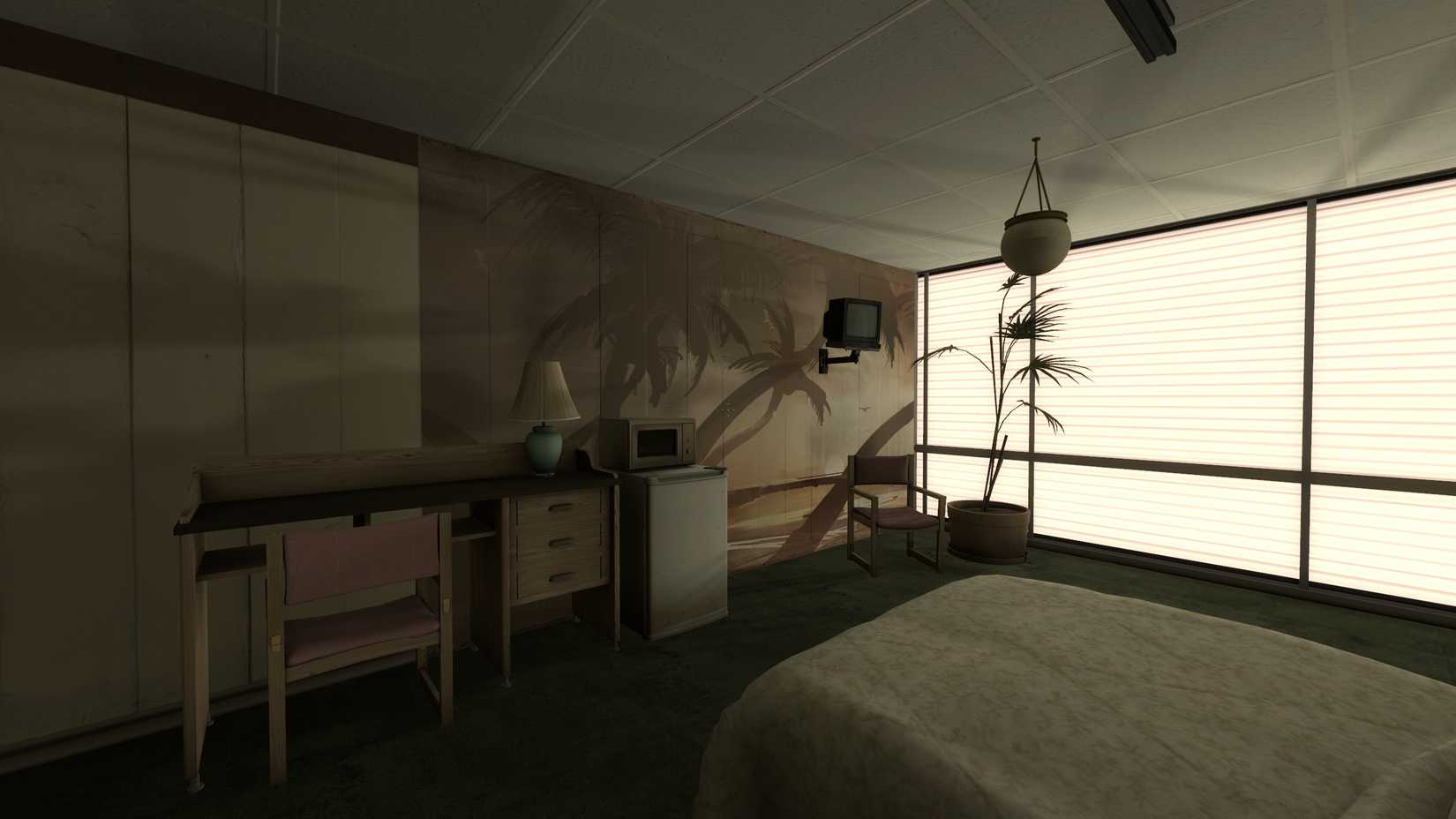 Image: Valve via Polygon
As is customary in a first-person game, Portal 2’s opening constructs an excuse to have the player look up and down (to test their Y-axis inversion preference, if using a controller), walk around a bit, and press some buttons. In this case, Chell, the test subject who is the silent protagonist of the Portal games, is woken from stasis in the Aperture Science Extended Relaxation Center (which looks like a drab motel room). A voice asks her to perform a mandatory physical and mental wellness exercise. Look up; look down. “This concludes the gymnastic portion of your mandatory physical and mental wellness exercise.” Next, the player is instructed to walk over to a bland painting on the wall and face it. “This is art. You will hear a buzzer. When you hear the buzzer, stare at the art.”
After these perfunctory exercises, Chell is sent back into stasis. But Portal 2’s hilariously basic tutorializing is not quite done. An unspecified (but apparently very long) amount of time later, she’s woken up by another voice, an AI called Wheatley (Merchant), who’s panicky and garrulous. Everything at the Aperture Science Extended Relaxation Center seems to be falling apart. Wheatley explains that Chell might have “a very minor case of serious brain damage” after spending too long in suspension, and asks her to say “Yes” in acknowledgement that she understands what he’s saying.
An on-screen prompt encourages the player to press the space bar to say yes. But space, of course, is jump. Chell jumps. “OK. What you’re doing there is jumping,” Wheatley says. “Never mind. Say ‘Apple.’” The prompt appears: press space to say “apple.” You press space. You jump.
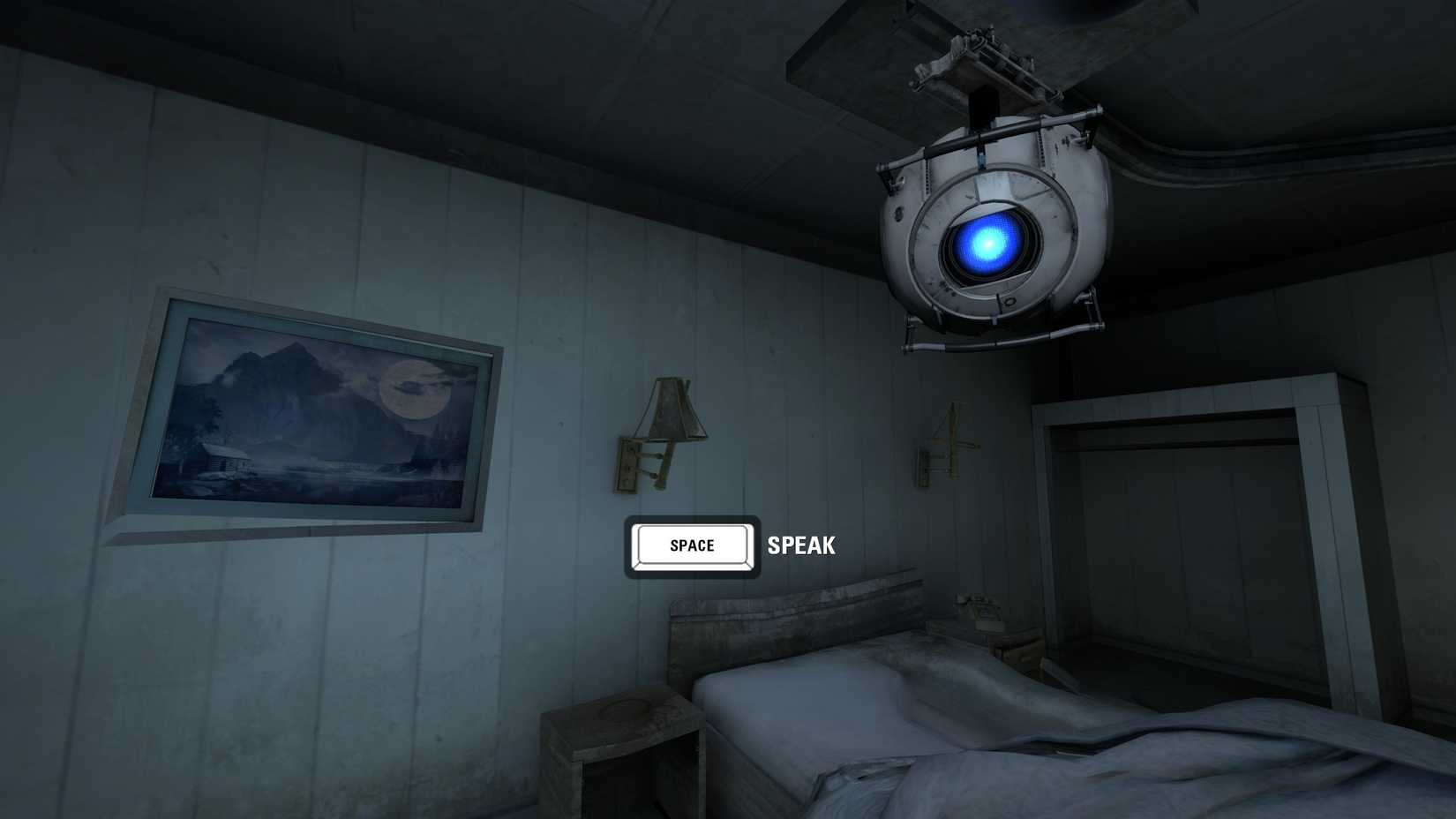 Image: Valve via Polygon
It’s a great bit of absurd physical comedy. It ribs impatient players for their tendency to hammer away at the action button during dialog scenes, often leading to comically ill-timed jumps. It also skewers the silent protagonists that were still common when Portal 2 was released in 2011, although starting to fall out of favor (soon to be replaced by infuriatingly chatty, internal-monologuing protagonists). Valve in particular came in for a lot of good-natured stick for its silent protagonists, especially Half-Life’s Gordon Freeman; he was seen as the poster-boy for ludonarrative dissonance, silently bunny-hopping away while chatty scene partners delivered serious monologues about the fascist alien apocalypse. Portal 2’s opening cheekily acknowledged this meme — and helped close the door on the silent-protagonist era of video game storytelling.
But the gag is just as savagely funny if you aim it at gaming’s contemporary and future narrative ambitions. Just weeks before Portal 2 was released, the first-person shooter Homefront gave us the memorable prompt “Press X to jump in mass grave.” A few years later, in 2014, Call of Duty: Advanced Warfare asked us to “Press F to Pay Respects,” launching a million sarcastic livechat keypresses. The protagonists might have started talking, but that wouldn’t stop the self-serious, sometimes unearned solemnity of video game storytelling clashing with the basic interactions offered to the player.
Wolpaw, Faliszek, and Pinkerton saw all this clearly, and mocked it with brutal bathos and a bracing willingness to self-own the bald manipulation and lofty pretension of video games. When you hear the buzzer, stare at the art.


![ELDEN RING NIGHTREIGN: Deluxe Edition [FitGirl Repack]](https://i5.imageban.ru/out/2025/05/30/c2e3dcd3fc13fa43f3e4306eeea33a6f.jpg)
 English (US) ·