.png)
.png) 4 months ago
24
4 months ago
24


Published Mar 31, 2026, 9:00 AM EDT
Reece is a First-class journalism graduate who has been writing about video games professionally since 2012. He is a former leading Zelda Universe editor with a particular fondness for survival horror and the original PlayStation era.
There's a lot to love about Resident Evil Requiem: the riveting boss fights, intricate sound design, unforgettable atmosphere, and a seamless blend of slow-paced survival horror and punchy RE4-style combat. Yet there's one small segment that felt so out of place that I still can't get my head around it.
On paper, it's only 10 minutes in an otherwise excellent game. In practice, it only gets worse the more you play. What starts as a brief lull quickly turns into something you dread revisiting on repeat playthroughs — not because it's scary, but because it grinds the experience to a halt.

Related
Resident Evil Requiem: 10 Secrets and Easter Eggs
Raccoon City references, Dimitrescu’s wine, and Tofu on the loose — Resident Evil Requiem’s secrets reward the sharp-eyed and the die-hard alike.
Capcom clearly wanted this moment to leave an impact. Instead, it highlights a growing problem not just in Resident Evil, but across modern AAA games — one where control is taken out of the player’s hands in favour of something far less engaging.
This article includes spoilers for a specific plot point in Resident Evil Requiem.
Umbrella's Creepy Kids Aren't the Only Failed Experiments Here

When Zeno shows Grace Ashcroft footage of the Raccoon City Orphanage, Requiem shifts to a playable flashback set in 1990. You control Chloe, a child who wakes to find the orphanage in chaos as the other kids — now mutated after being subjected to Umbrella's Series 60 experiments — begin slaughtering the staff. Alone and defenceless, Chloe’s left to sneak through the facility and escape, only to meet a grim fate in the underground lab below. It's a sad tale of death, child experimentation, and mutated horrors, which is conceptually what Resident Evil fans expect. So, why doesn't it work?
Put simply, it's extremely boring to play through. Hide. Wait. Move. Repeat. The simplicity doesn’t make it any quicker to get through either, as you're forced to sit and wait for openings each time. Stealth gameplay is compelling when you're given a wide array of options — tons of places to hide, endless ways to conceal yourself, and a number of tools and weapons to distract or dispose of your enemies. Yet here, interaction is stripped down to the bare minimum.

It also falls flat narratively. It adds little we didn’t already know about the orphanage from the RE2 remake, and retreads emotional ground already covered in Requiem with the tragic fates of Emily and Marie. It doesn't work as horror, either, as creepy children are an overused trope — and unlike RE7’s Eveline, there’s nothing here to elevate it beyond the familiar. There's not even anything to satisfy gore fans, with the key shock moment perfectly set up for a Weapons-style, children-led bloodbath but settles instead for a run-of-the-mill neck snap.
Predictability is the Killer of Fear

It's bad enough that the orphanage is such a slog the first time, but it's even more of a chore on repeat playthroughs. This is a serious issue when the RE Engine games greatly encourage repeat playthroughs with their addictive gameplay loops, collectible items, and unlockable content. Worse still, this isn't the first time that Resident Evil has done this.

Related
"So many attempts. So many failures. Such a waste," Zeno says to Grace moments before the orphanage section begins. It's an incredibly apt quote when viewed through a meta lens. Requiem's weakest section is a homage to a similarly dull sequence from the RE2 remake, which also lets you play as an endangered young girl at the very same orphanage. RE Village's House Beneviento was applauded by the fan base for its oppressive atmosphere — but Capcom seems to have taken the wrong lessons from it, as the linear, weaponless chapter quickly became tedious on repeat playthroughs.
If you strip away both the tension and the player's agency, very little remains besides frustration. Resident Evil thrives on unpredictability — even when you know the Spencer Mansion inside-out, encounters can still go wrong. That tension is what makes the series so replayable, and why Requiem's rigid segment stands out so sharply.
When AAA Stands for Annoying, Actionless, Artificial Design

This trend started long before the modern RE Engine era of Resident Evil games. It's become very normal for big-budget titles to strip away player agency in favour of cinematic control. The Last of Us is so in love with its own dialogue that it consistently forces tedious walk-and-talk sections. The Mary Jane missions in Marvel's Spider-Man strip away the fun superhero moveset in favour of linear stealth and instant-fail detection. God of War Ragnarök grinds to a halt during its Ironwood section, locking players into a slow, heavily scripted sequence with no room for meaningful interaction.
These moments create the illusion of interactivity without truly delivering. You’re holding the controller, but your input barely matters. Progression is guaranteed, outcomes are fixed, and the only real requirement is to keep moving forward. At that point, it stops feeling like gameplay and becomes little more than maintenance.

Related
These segments don't exist by accident. Modern games are geared towards massive audiences, not just experienced players, which means AAA developers are constantly prioritising cinematic storytelling. Chasing that broad appeal means putting a tight leash on the pacing, performances, and player experience. If you want a moment to land exactly the same way for every player, you have to limit what the player can do. By sacrificing interactivity, developers risk undermining what makes games such a unique medium — turning moments of spectacle into restriction rather than immersion.
The quickest solution to Requiem's problem would be to cut the orphanage entirely, or at least make it optional on subsequent playthroughs. But for future stories worth telling, developers shouldn't be afraid to add more cutscenes. The Metal Gear Solid series is proof that players will happily sit through hours of cinematics if the narrative is compelling enough, while others have the option to skip.
By sacrificing interactivity, developers risk undermining what makes games such a unique medium — turning moments of spectacle into restriction rather than immersion.
Better yet, files could have been used to communicate Chloe's experience. Some of Resident Evil's most memorable moments come from obtainable journals, memos, and reports, and could have been a natural fit since Grace and Leon visit the ARK themselves. Given that Requiem already borrows so many ideas from previous games, it's baffling that it overlooks the series' signature storytelling device for the orphanage massacre.
For all its strengths, Requiem is at its best when encounters are unpredictable, decisions matter, and every run feels slightly different. Players want to solve problems, not follow instructions — and if it isn’t fun to play, it shouldn’t be playable at all.

Next
10 Resident Evil Requiem Moments That Make You Question Who You Can Actually Trust
Not every threat in Resident Evil Requiem has claws or teeth, as some of the game’s most unnerving moments come from human uncertainty.
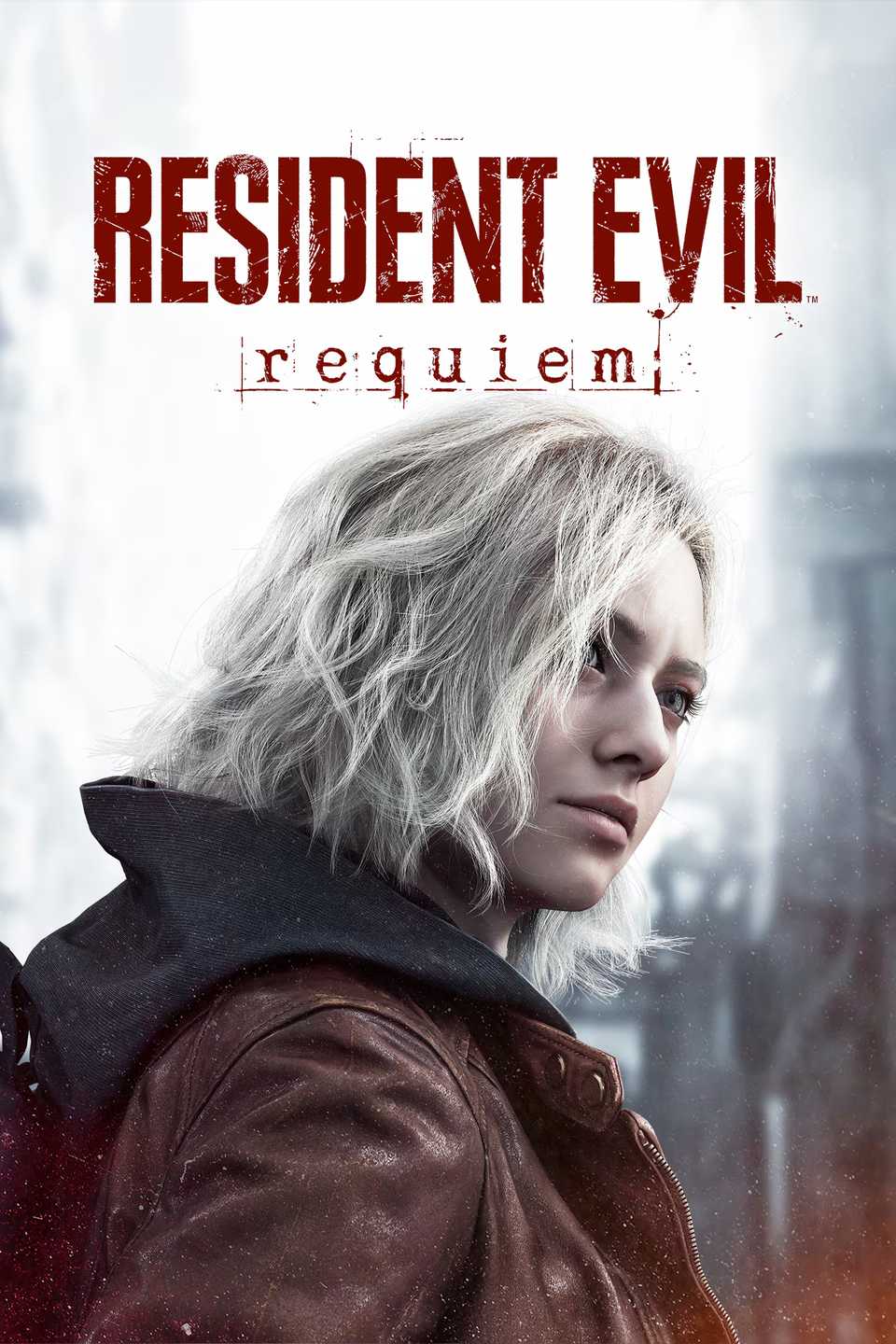
Released February 27, 2026
ESRB Mature 17+ / Intense Violence, Blood and Gore, Strong Language, In-Game Purchases







![ELDEN RING NIGHTREIGN: Deluxe Edition [FitGirl Repack]](https://i5.imageban.ru/out/2025/05/30/c2e3dcd3fc13fa43f3e4306eeea33a6f.jpg)
 English (US) ·