.png)
.png) 1 hour ago
1
1 hour ago
1

Published Jul 29, 2026, 11:00 AM EDT
Christian Bognar is a Contributor at DualShockers with over three years of experience covering the gaming industry. Since 2022, he has written guides and reviews for publications including DualShockers, CBR, Attack of the Fanboy, PC Invasion, and The Game Slayer. He holds a Bachelor’s Degree in Business Administration from Roanoke College.
Christian has been an avid gamer since childhood and views games as one of the strongest forms of art and storytelling. As a reviewer, he makes a point of finishing a game before writing a review, helping him evaluate each title with a complete understanding of its story, systems, and overall experience.
The Soulslike genre has been growing exponentially over the past few years. The once niche genre has become super competitive, making it tougher to stand out to the fans. However, despite there being so many Soulslikes out there that I have completed, I am always looking for my next fix. It’s my favorite genre, and I never grow tired of it.
When I went hands-on with The Relic: First Guardian in June, I had high hopes for this new Soulslike experience. The satisfying exploration that tied into character progression kept me hooked and had me wanting to dive into the full game to see what else it had to offer. While I had some gripes during my initial preview, mainly with its bosses, I still felt like the game had potential.
After playing through The Relic: First Guardian, that word “potential” still lingers in my mind. Because even though the game has good ideas, I can’t help but feel that it never reaches where it wants to go. Due to unfortunate performance issues, a lack of features, frustrating bugs, and questionable boss designs, The Relic: First Guardian feels like an unfinished product that lacks execution. My hands-on preview left me excited, but the full game left me disappointed.
Exploration Shines But Lacks Crucial Features
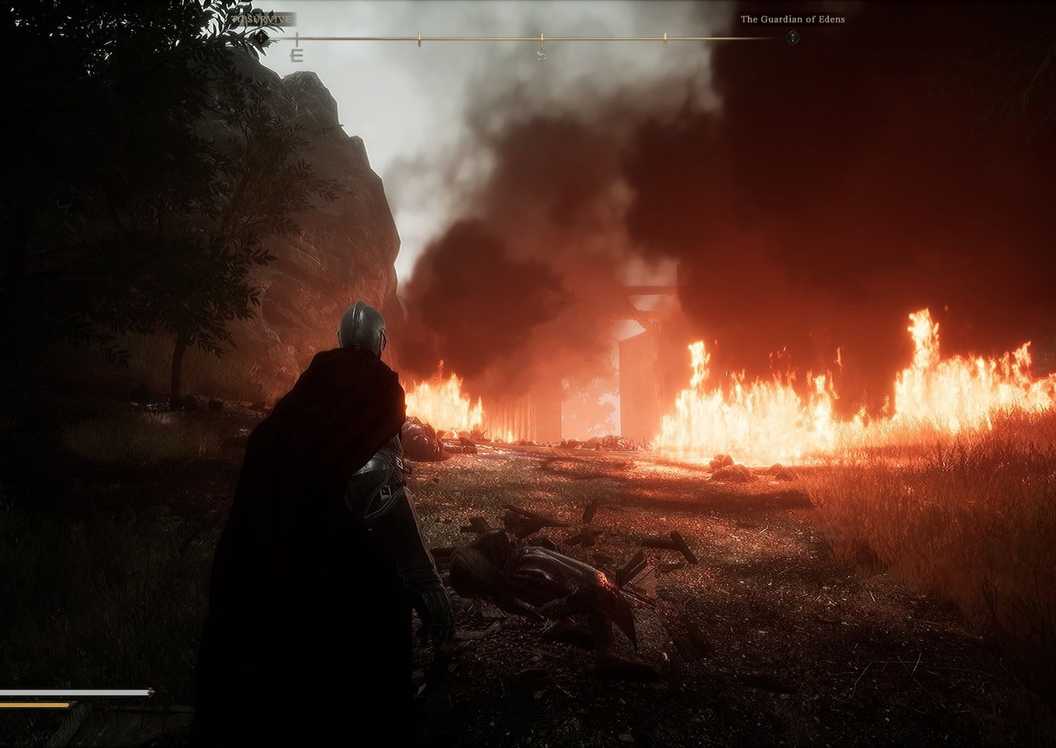
One of my favorite parts of The Relic: First Guardian is its exploration and the way it ties into character progression. Going off the beaten path is always worth it here, since doing so will lead to discovering valuable items, new weapons, gold to purchase upgrade materials, or minibosses and altars that reward Ancient Relic Energy, the game’s version of experience points.
I always felt satisfied exploring the game’s multiple zones, knowing it would ultimately make my character stronger and give me a better chance of taking down challenging bosses. It also allowed me to experience the game’s lore to the fullest, as each area contains multiple side quests called “Events” that are designed to help the player understand the world they’re in.

However, the game lacks a crucial feature that can make exploration incredibly exhausting for the average player. It has absolutely zero labels for locations and points of interest, outside fast-travel points. In other words, there is no way to know the name of a location or whether you have been there or not, as hovering over these locations on the map doesn’t reveal any information.
While each point of interest's icon only appears on the map after you get close to it, functioning as a sort of fog-of-war system, that doesn't really solve the problem. There were plenty of times when I chose not to fully explore a location after discovering it or came across a boss that was too difficult and decided to return later. Unfortunately, by the time I wanted to revisit those places, I had completely forgotten which map icon represented that specific location.
There is no way to know the name of a location or whether you have been there or not, as hovering over these locations on the map doesn’t reveal any information.
“Why didn’t you just put a waypoint down for future reference?” you may be asking. Unfortunately, you can’t. The game doesn’t include a waypoint or marker feature whatsoever, forcing you to either write it down in a notepad or take a screenshot to use later. Named locations and the ability to lay down waypoints are such simple features that need to be included in a semi-open world game, but they are not present in The Relic: First Guardian.
This is one of the reasons why I feel like The Relic: First Guardian isn't a finished product, and unfortunately, it's far from the only reason. The game's greatest strength—its exploration—is held back by the absence of several crucial systems. As I progressed further, it became increasingly frustrating to see so much potential in its exploration brought down by issues that felt entirely avoidable.
Poorly Executed Boss Fights
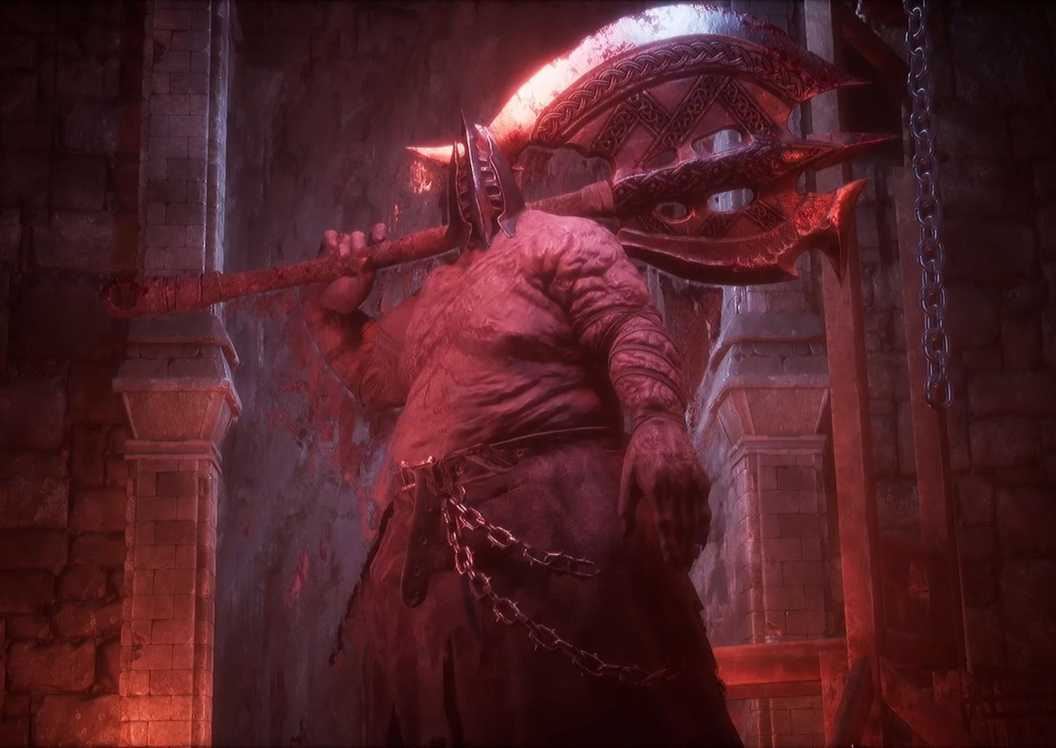
During my hands-on preview with The Relic: First Guardian, my biggest concern stemmed from the bosses, as I felt like they were poorly designed and overly aggressive. One of the biggest draws of the game, which was heavily marketed up to its release, was that it features a whopping 80 bosses, the most out of any Soulslike currently released.
However, The Relic: First Guardian is the prime example of quantity over quality. While I didn’t get the chance to fight every single boss in the game, I did encounter a good chunk of them, and most of them left me annoyed, rather than satisfied. Taking down a challenging boss in a Soulslike is supposed to be an overwhelming feeling of success and not a moment where you think to yourself, “Thank god that’s over.”
Nearly every issue associated with poorly designed boss fights is present in The Relic: First Guardian. Many encounters take place in fog-filled arenas that make bosses difficult to see, are littered with an excessive number of explosive barrels, feature relentlessly aggressive attack spam with little to no telegraphing, and even suffer from performance drops that can lead to unfair deaths. That is just scratching the surface, and the list goes on.
It’s really unfortunate that most bosses are like this, because there are some boss fights in the game that were absolutely incredible. It simply feels as if some bosses got more attention than others, which makes sense due to the sheer number of them throughout the adventure. As I said earlier, it’s quantity over quality.

The Relic: First Guardian would have benefited from removing the ambition of including 80 bosses and instead putting attention toward crafting a handful of really well-designed and exciting encounters. Sadly, that’s not the case, and in a crowded and competitive genre that is famous for its boss fights, failing in this department is detrimental.
Simply put, if you're looking for a Soulslike that shines because of its boss encounters, you won't find it in The Relic: First Guardian. There are plenty of other games in the genre that excel in this area, and I'd recommend turning your attention to those instead. At least until Project Cloud Games makes meaningful improvements, which I hope they do.
Performance and Bugs Sour the Experience
Remember how I said that The Relic: First Guardian feels like an unfinished product? Well, I’m going to say it again. The Relic: First Guardian feels like an unfinished product due to poor performance and just downright strange bugs that I have rarely ever seen in a game.
The performance issues can be found during cutscenes, boss fights, and exploration. When exploring the world of the game, it’s almost impossible to avoid any pop-ins in its environment. Trees, bushes, mountainsides, and even enemies are constantly appearing out of thin air. I’m usually pretty resistant to these issues, but it’s so apparent here that it destroys any type of immersion.
As for bosses, any Soulslike fan will know how detrimental poor performance is during these encounters. Frame rate dips will lead to taking unnecessary damage, being unable to read an enemy’s attack patterns, and ultimately, result in death and receiving the game over screen. This issue was very common in encounters that involved arenas with AoE explosives and fog.
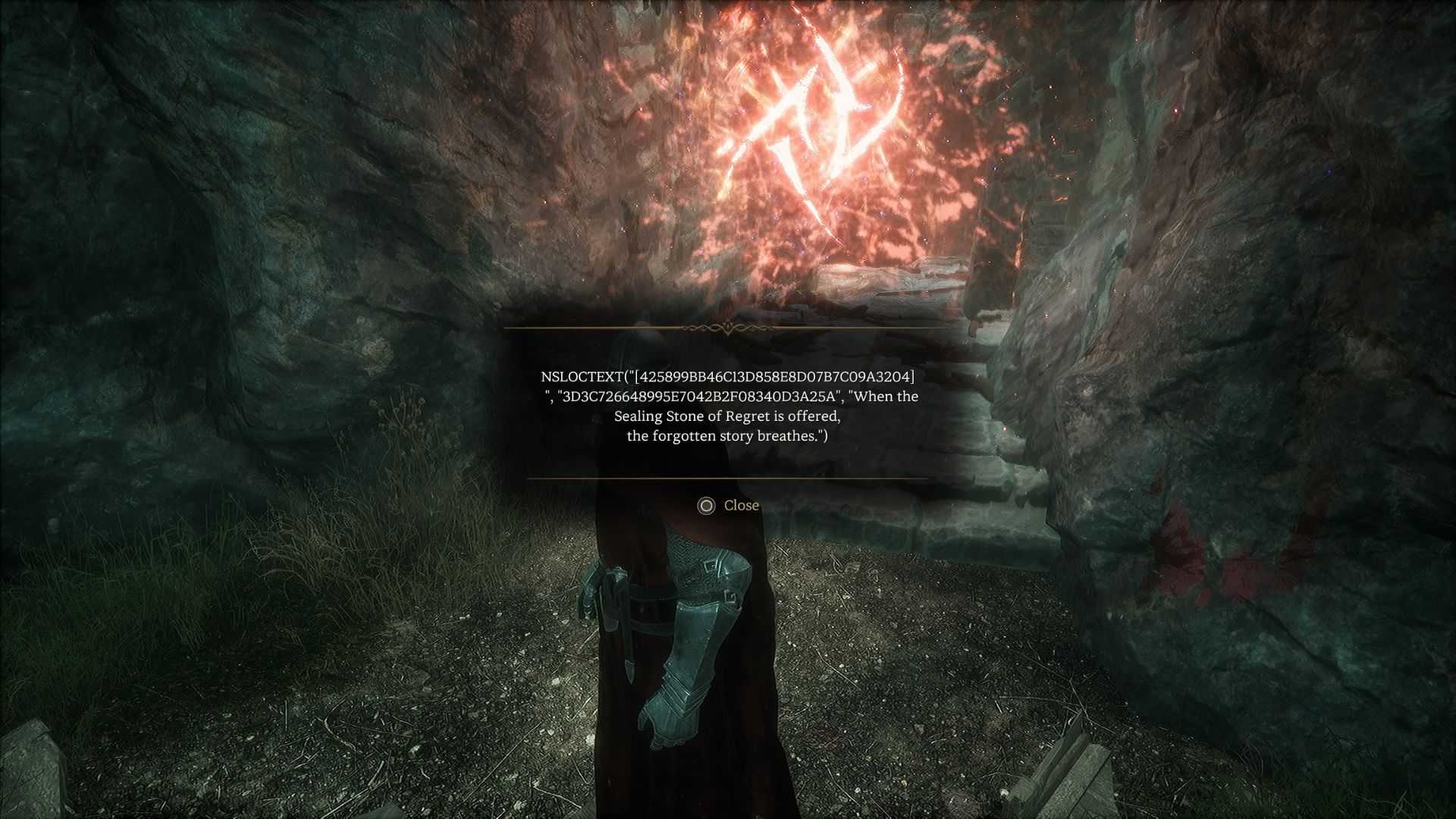
When it comes to bugs, one of the biggest ones I noticed was missing text from quest-related locations or items. Instead of a description of said location or item, it would instead say something like “NSLOCTEXT” and then a bunch of numbers. This happened a few times and is the clearest evidence to me that the game isn’t finished.
The Relic: First Guardian feels like an unfinished product due to poor performance and just downright strange bugs that I have rarely ever seen in a game.
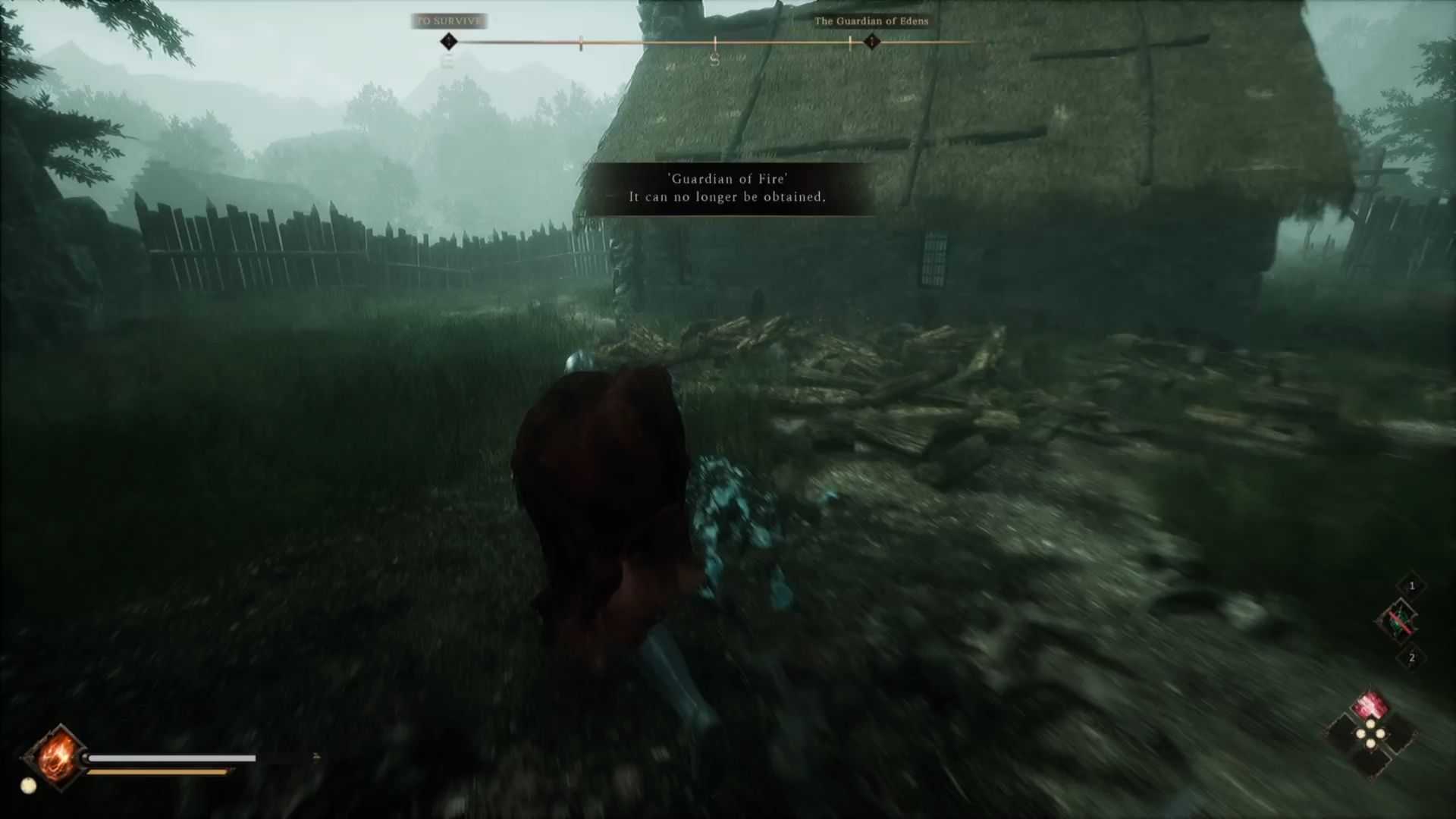
Another frustrating bug that was more prevalent was the inability to pick up certain items. There were plenty of times during my playthrough that the game wouldn’t allow me to loot a simple item like consumables. Instead, I would get an error message stating that the item was not available anymore.
This happened to me a bunch during my preview, but for some odd reason, it happened even more in the full game. These items could have helped me big time in staying alive, so to have this happen over and over again truly soured the experience for me.
The Relic: First Guardian is a game with good ideas, but it ultimately fails to execute them. Performance issues, recurring bugs, and the lack of essential navigation features make the experience feel unfinished, leaving the impression that it needed more time in development. There are genuine highlights, particularly in its exploration and how it ties into character progression, but they're not enough to carry the game through an entire playthrough. On paper, having 80 bosses sounds like an exciting selling point for a Soulslike, but The Relic: First Guardian ultimately proves that quality matters far more than quantity.

Released July 31, 2026
Developer(s) Project Cloud Games
Publisher(s) Perp Games
PC Release Date July 31, 2026
Xbox Series X|S Release Date 2026
Pros & Cons
- Events are an interesting way to explain lore
- Exploration ties into character progression
- Lack of crucial features for exploration like waypoint markers, named locations, etc
- Most of the bosses are not very good
- Excessive amount of fog that make it hard to see
- Performance issues and bugs
- Explosive barrels in boss arenas are used way too much





![ELDEN RING NIGHTREIGN: Deluxe Edition [FitGirl Repack]](https://i5.imageban.ru/out/2025/05/30/c2e3dcd3fc13fa43f3e4306eeea33a6f.jpg)
 English (US) ·