.png)
.png) 4 months ago
93
4 months ago
93

Published Mar 29, 2026, 9:31 AM EDT
Elena Chapella (She/Her) is a current Writer for DualShockers, formerly an award-winning journalist for local news stations and newspapers in central Indiana.
Elena is passionate about writing, playing Dungeons & Dragons with her friends, and, of course, playing video games.
When she's not writing, Elena is actually a high school teacher by day. She teaches students essential life skills for adulthood, including job readiness, financial literacy, and college preparation.
There has never been a better time to be a horror fan. With constant new releases and remakes that satisfy our cravings, we're eating good, and it's only looking to get better as more titles continue to be announced (such as Silent Hill Townfall, which I am buzzing with excitement over). Yet, these horror games aren't like the classic survival horror titles of yore — these modern horror games focus a lot more on psychological horror.
It's not even exclusive to specific games, either; even Resident Evil, a series that's become known for being more action horror than anything else, dipped its toe into the psychological with Resident Evil Requiem. It worked amazingly in their favor, but it made me notice something: there is a significant uptick in psychological horror compared to any other horror subgenre, and it reveals a lot more than you realize.

Related
10 Horror Games That Shaped Modern Gaming More Than Players Realized
The foundation of modern video games isn't always built from open world RPG behemouths. Sometimes, it's built from horror.
Horror is reflective of society — specifically, societal fears — so the fact that we're seeing a psychological horror boom isn't a coincidence. In fact, it's a sign of the times, holding a mirror to the very fears that we try to run away from with fiction. If anything, it's completely fascinating, detailing what it means about us as humans and ways that we can manage those fears.
So, as psychological horror dominates the horror genre, we're left wondering: what's being reflected?
Psychological Horror is on the Rise
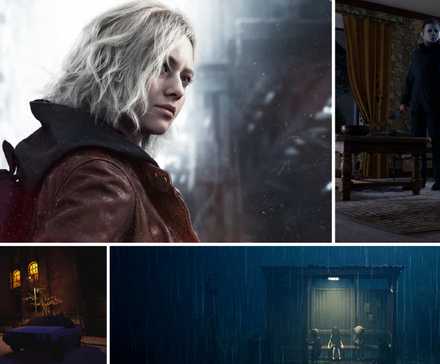
If we were to look at the past ten years of horror games, most of the hits were psychological horror titles in some way, shape, or form — with psychological horror being defined as horror that focuses on emotional/mental states as an avenue of fear. The most notable games of this era are Silent Hill f, Alan Wake 2, Layers of Fear, and Alien: Isolation, terrifying players to the core with their own mental gymnastics.
This isn't exclusive to the AAA sphere. Indie games such as SOMA, Signalis, Still Wakes the Deep, The Mortuary Assistant, Devotion, Lost in Vivo, Mouthwashing, and Visage are all excellent examples of psychological horror from the past decade.
And those are just new, original titles. Games like Silent Hill 2 (often revered as the pinnacle of psychological horror) and Fatal Frame II: Crimson Butterfly got the remake treatment, keeping psychological horror front and center in everyone's minds. Plus, more remakes have been announced (especially for Silent Hill titles), keeping the subgenre alive.
Related
Every Horror Game Announced for 2026
Horror fans are eating good, and 2026 is looking to be another year of fine dining with these upcoming titles.
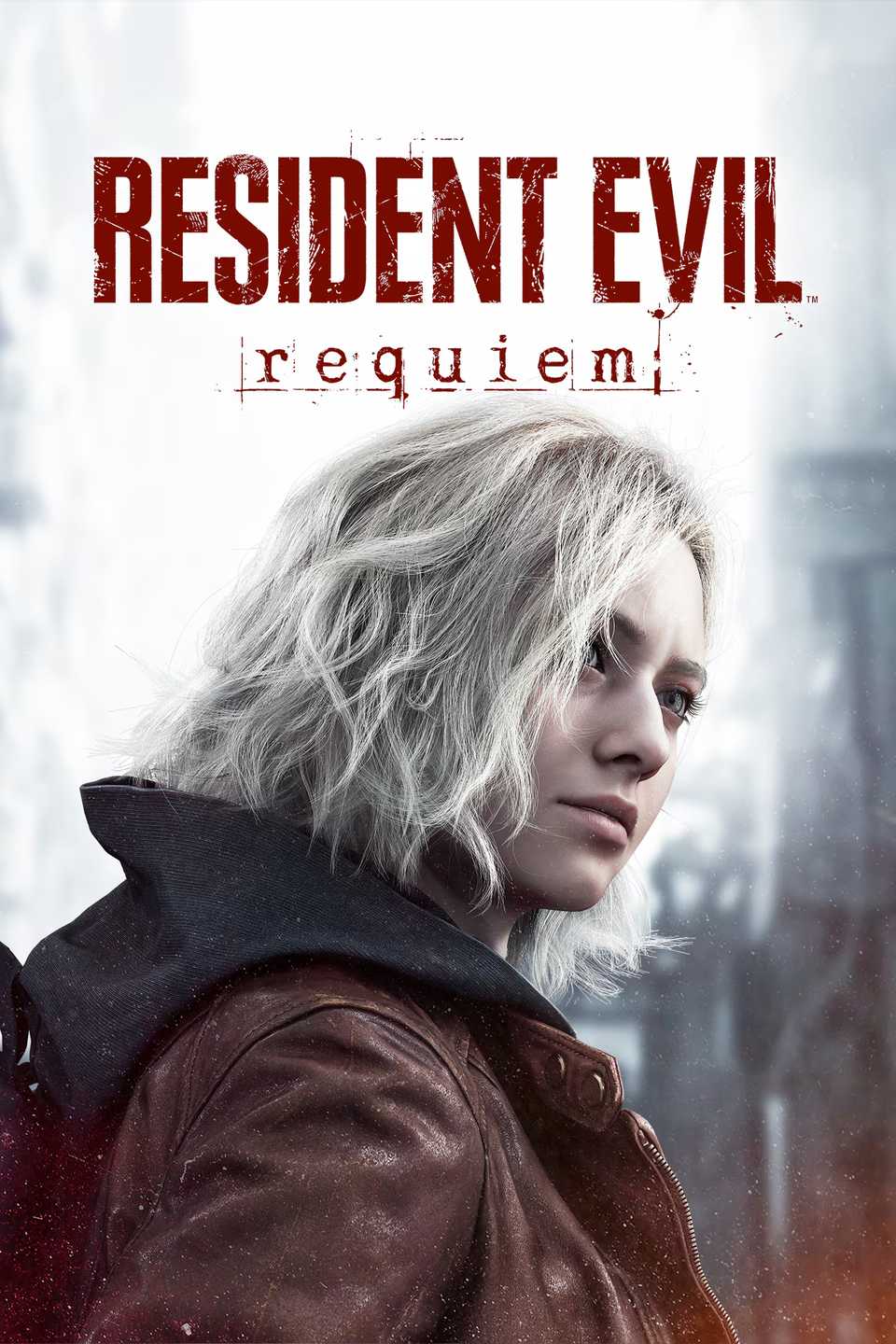
Even the Resident Evil games have really started to take note, incorporating so many elements of psychological horror into their modern titles, making them some of the scariest that the series has been so far. Resident Evil 7 (clearly inspired by 2014's P.T.) set that standard, and Resident Evil Village continued to follow that trend — so by the time we get to the most recent entry, Resident Evil Requiem, the fear factor had been multiplied tenfold, digging deep into players' minds in how it scares them.
And the crazy thing is? This isn't even all the psychological horror games from the past ten or so years. If you were to compare the horror games that built the genre to the horror games of today, you'd notice how heavily games are leaning towards the psychological horror aspects.
P.T. may have started the trend back in 2014, but horror games have been continuing on this track ever since, and it doesn't look like it's going to stop anytime soon. But, if horror is a reflection of what we fear as a society, what does that mean for us (and our fears) today?
If you were to look through the past century of horror, you'd see how horror points to some sort of commentary on the times. I won't go on a whole history lesson, but let's look at one example: the 1980s, an era defined by many things, but one thing that sticks out the most (at least for the topic at hand) is the Satanic Panic.
As society evolved with new and emerging media in the 1980s, when pop culture really started to become more prominent and mainstream, many (particularly conservative) individuals were growing increasingly worried about the state of the world. In particular, there was a public outcry against specific music, games (whether it be tabletop or video games), movies, shows, and even books, claiming that these various IPs would cause a moral downfall of society and bring about the end times; people were genuinely clutching their pearls over the fact that D&D might make someone worship Satan.
I wasn't around for the height of it, but I am around to see all the horror media that came from it: all of which reflect the Satanic Panic and the other societal fears that the world will become evil for future generations (didn't Billy Joel have a song about that?).

Look at the horror movies that came about in the 1980s, and notice how they're all reflective of fears surrounding the world breaking, fears surrounding someone corrupting the youth and turning them away from good. Movies like The Exorcist, Nightmare on Elm Street, and even Halloween focus on these themes. Heck, even Halloween had a scene of a mother taking her child to the hospital after someone stuck a razor blade in the child's Halloween candy that they ate. In the 1950s, Godzilla was born out of the fear of nuclear war. But what does that commentary say about the horror of today?
In fact, it's a sign of the times, holding a mirror to the very fears that we try to run away from with fiction.
Horror games of today being primarily psychological isn't a coincidence — any of the games I mentioned earlier focus primarily on being moody and atmospheric, carrying a fear that lingers in the player long after they're done for the night. Horror games used to be loud, but one-and-done after the jumpscare, but now, they're focusing a lot more on the quiet and tension, something that clings to you and doesn't go away.
Rather than having an evil that we can easily explain and potentially even fight off, the evil that we're often facing in horror now acts without rhyme or reason, and we're helpless against it. The evil is an unstoppable force meeting a very movable object, showing us that the world has long been broken beyond repair, and the devastation that leads to in humanity.
If you look back at society in the past few decades, it makes sense. In the past two or three decades, we've known nothing but constant global conflict, tragedy after tragedy that's more heartless than the last, more and more evils being brought to the surface that we're feeling helpless against, and continuous struggle that doesn't lift for any relief. Not once in the past thirty years has the world indicated that it's anything other than brutally hostile.
I'm turning 27 in May, and I can confidently say I never had faith in the world being safe, and I think growing up in a post-9/11 world was crucial for that. Perhaps that's why I find comfort in worlds that are just as dark and disturbing as the one I live in.
The psychological horror that we're playing nowadays is also reflective of this, with many horror games making you completely helpless (where your only option is to run and hide) against unstoppable evils that you can't explain, putting you in a world that's already broken with only a single objective: survive.
We don't have a fear of the world breaking; we already know our world is beyond repair, but it's the unexplainable (or even internalized) evils that terrify us. It's the constant struggle, the agony and torment of trying to stay alive in a world that wants to eat you alive, that we fear, yet face every day. This isn't even mentioning the emphasis on mental health today, something that used to be heavily stigmatized even just ten years ago — so of course, mental health is a key component in psychological horror.
Again, I could keep going with examples, but you get the parallel by now: horror is always trying to tell us something about our own society and what we fear as a collective. But what many may not realize is that horror also gives us hope in how we can manage it.
What Does That Mean for Us and Our Anxieties?
Horror makes you feel helpless; that's a primary fear that horror games prey on, but the amazing thing about the genre is that it shows how far from helplessness you actually are.
Let's look at Silent Hill f as an example. The game tackles the fears of marriage/losing yourself in a marriage, the cycle of abuse, and conformity — all things that affected me very personally, on a very deep level. Yet, the game shows a way out that seems so simple, but it was one that I had been actively avoiding, just like Hinako had: speak to my inner self, listen to her, work with her, and take things one day at a time.
That's just one outcome the game shows — and that's just for Silent Hill f.

Related
10 Funniest Horror Games
Are you screaming out of fear or screaming with laughter? With these games, it's likely both.
If you were to go through any of the modern horror games coming out today, you'll notice that so many of them are just as much about empowerment as they are about the evils of the world. So many of these stories seem to end with a similar message: just because the world is broken, doesn't mean that we have to break it further, and that especially doesn't mean that we're completely helpless. We're anything but.
Of course, it's hard to believe at times, and trying to fight against evil that we can't explain is definitely easier said than done, but if we live our lives as if we're stuck in survival mode, that's only going to hurt us further.
This is a similar approach to that of many psychological horror games focused on mental health; we have to empower ourselves. We can't let the world continue to crumble, and we most certainly can't let ourselves become swallowed up in our own personal hells.
I only wonder how this fear will evolve with society in the future, but that all depends on what we do about our fears now.

NEXT
This 2012 Horror Flop Deserves Remaster Treatment
AMY was one of the worst-performing horror games of 2012, but the only thing that held it back was gameplay. What if that were different?
Released February 27, 2026
ESRB Mature 17+ / Intense Violence, Blood and Gore, Strong Language, In-Game Purchases



![ELDEN RING NIGHTREIGN: Deluxe Edition [FitGirl Repack]](https://i5.imageban.ru/out/2025/05/30/c2e3dcd3fc13fa43f3e4306eeea33a6f.jpg)
 English (US) ·