.png)
 4 months ago
28
4 months ago
28
Being a beginner in Monster Hunter Stories 3: Twisted Reflection can feel a bit overwhelming. In this game, every creature you fight has specific stats you need to work around, like elemental resistances. At the same time, you need to learn how to handle the combat system based on multiple weapons and elemental damage types.
However, if you take your time, there's much to enjoy in Monster Hunter Stories 3. Although it is a spin-off, the third entry in the Stories series brings the complexity of the original Monster Hunter games and adds a compelling narrative with political intrigue and mystical creatures.
To reduce the pressure of having to face the game's intricate design, we've put together seven beginner's tips explaining the fundamentals of Monster Hunter Stories 3: Twisted Reflection.
Just like in other Monster Hunter games, armor matters
If this is your first Monster Hunter title, you should know that armor is vital to your success. Of course, you need weapons to slay giant dragon-like monsters, but you can't attack them if you die too soon. You should always wear the armor with the highest defense and upgrade the sets you have.
At the same time, the effectiveness of an armor set is not measured only by its defense values, but also by its elemental resistances. Every armor is strong and weak against one or more types of elemental damage. Having multiple sets, each with a different combination of elemental resistances, is key to progress in this game.
Prepare for battle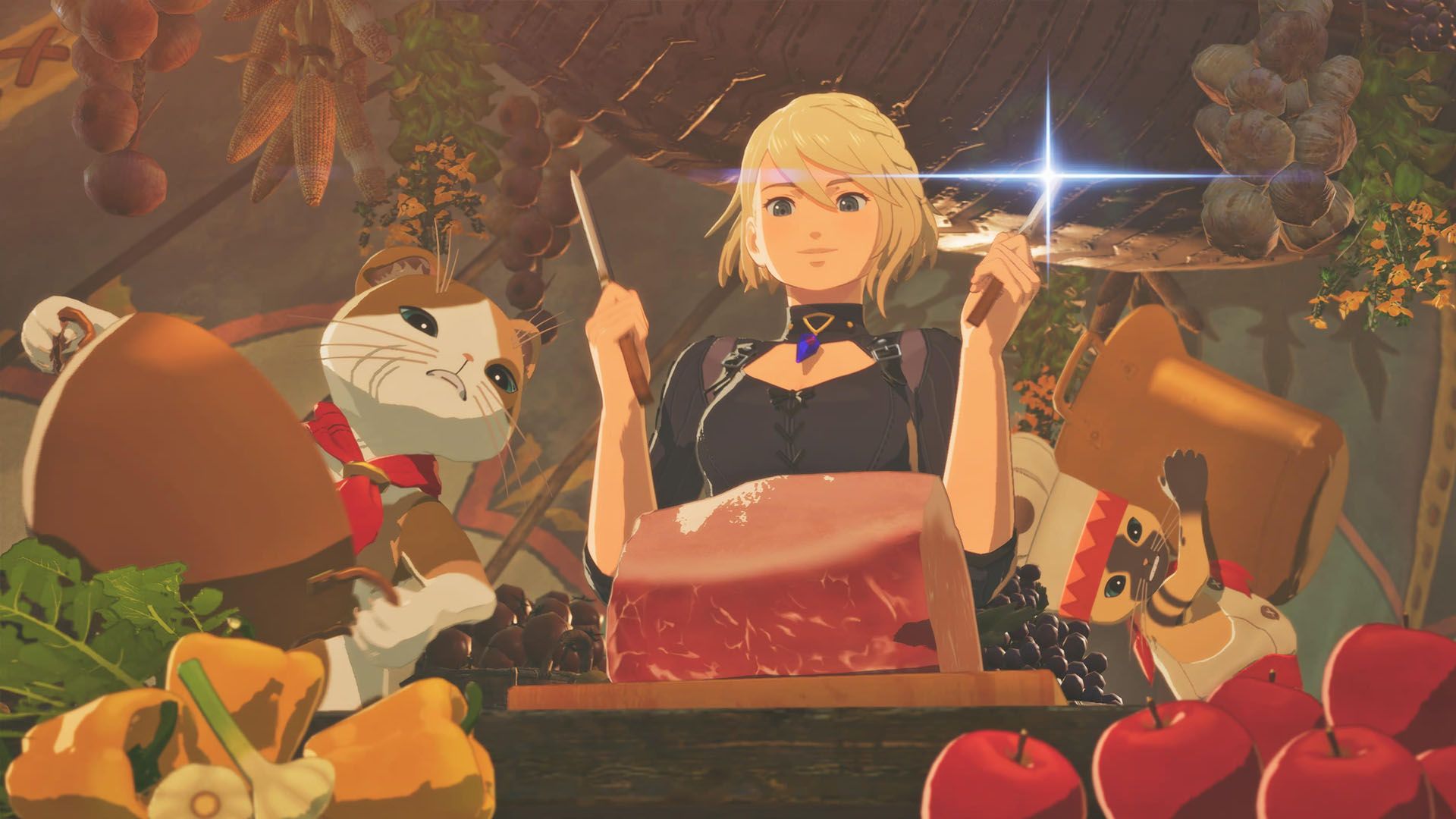
Battles can be rough in Monster Hunter Stories 3, so it's important to be prepared for whatever challenge comes your way. First, be sure to always prepare a meal before a mission. The benefits from eating a meal vary, ranging from stat bonuses to increasing the amount of experience obtained per battle.
Next, focus on studying the region you're headed to. Monster Hunter Stories 3's maps are divided into small habitats and each one has an associated element, indicating the damage type of creatures in the area. It's crucial to always check the "Habitat Restoration" menu to inform yourself about an area's element, so you can better adapt. Beyond simply knowing which armor to wear, the element will determine the weapons you wield, and the monsties and the companions you take in to battle.
Once you have enough food in your stomach and information in your head, you can finally jump into action.
Release your weak monsties
You can have an incredibly high number of monsties in the stable — 700 to be precise — but you don't have to keep all of them. Actually, if you really like a specific monster species, you should consider freeing ones you have to help with the habitat restoration system. The more monsters of a certain type you release, the higher their ranks become, which translates into hatching more powerful monsties. This might feel a bit contradictory in a monster-taming game — but trust me, it's worthwhile.
Break parts, be happy
From element resistance to types of damage, there are many technicalities involved in Monster Hunter Stories 3's combat system. Among them, paying attention to body parts is fundamental to progress without too much trouble. As mentioned before, it's important to craft new armor and weapons, as well as upgrade them, but to do so, you need monster body parts like wings and tails.
To obtain specific body parts, you must break them during combat, which involves selecting the body part and landing hits on it. Certain types of weapons are more effective when aiming for a specific body part. For instance, you can cut a tail faster with swords, while a bow is the only effective weapon for breaking wings.
Find your play style before choosing your partner
Besides your character and your party of monsties, you can also have one battle ally. These are other rangers who you meet during the campaign. Each ally wields a single weapon of a specific type and element, and has their own monstie that deals a particular type of elemental damage. Since you can't change an ally's weapon or monstie, you should always consider how you plan on playing the game before choosing who's following you. If you like to play as a support, you should consider having Eleanor or Gaul with you. On the other hand, if you should focus on dealing damage, Ogden and Kora are great initial allies who offer solid support.
Take your time when picking eggs
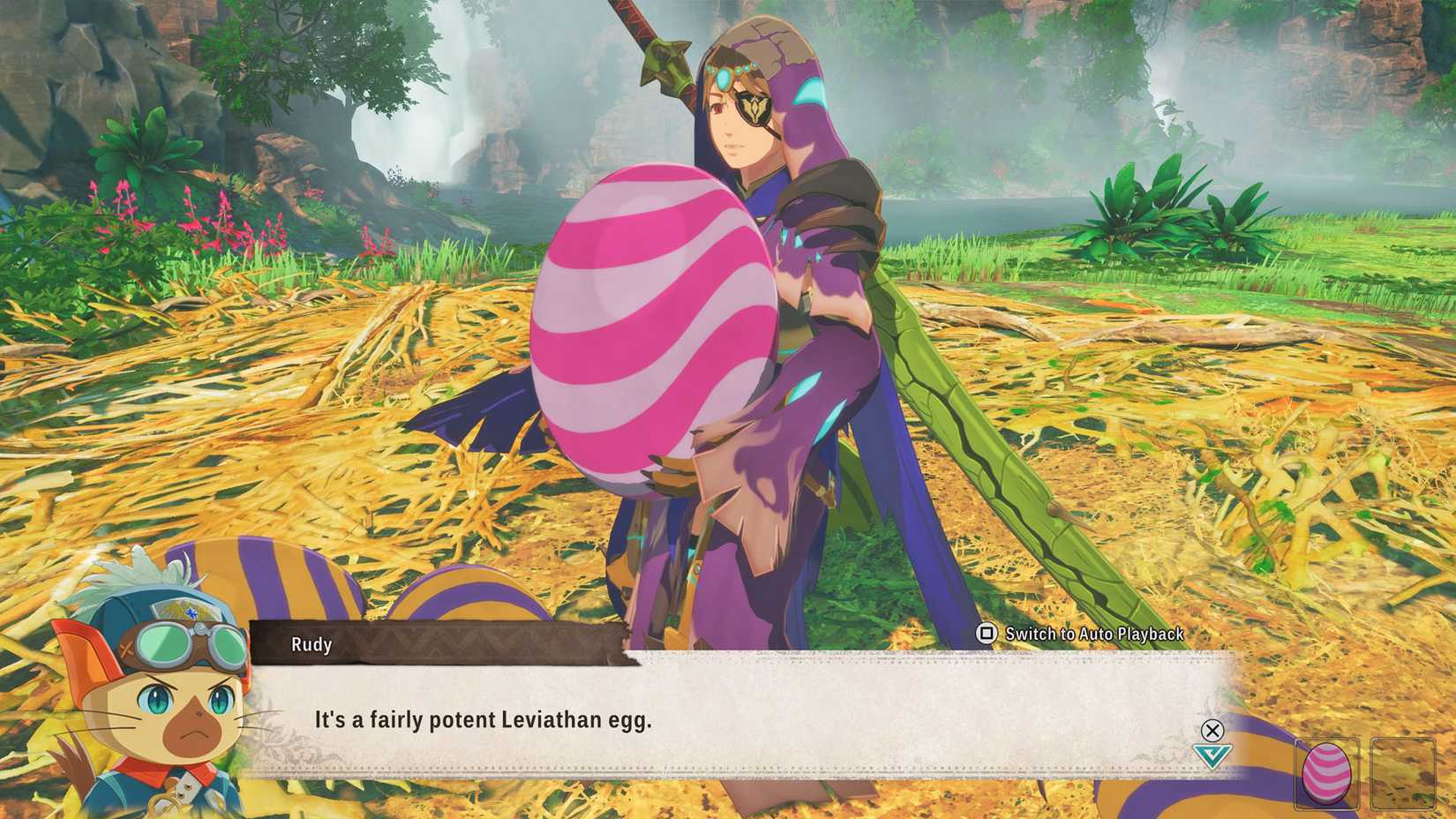 Image: Capcom via Polygon
The first time you enter a den, the game will tell you that you should be mindful of the monster who lives there, since it can come back and attack you before you can leave with an egg. Even so, you should not feel pressured and leave with the first egg you pick. Collecting eggs from monster dens is one of the most important side activities in the game. You need monsties to fight and explore, and chasing good eggs ensures you will have strong creatures on your team.
Once inside a den, take your time. Usually, you can try around three times before it becomes too dangerous to stay. Even if there isn't a golden egg, you still have a chance of finding a very potent egg.
Although you can fast travel, maybe you should take a stroll
In addition to armor, weapons, and monsties, every ranger should always carry useful items when hunting monsters. From regular potions to shock traps, there is a large variety of options you can craft by combining materials. You can find these as you walk around the map. Some are rarer than others, but a simple stroll from one key location to another is already enough to have the materials you need to craft simple tools.
That's why you should try not using the fast-travel system when possible, so you can gather materials while traversing the map. It's possible to see where gathering points are located, allowing you to see if there are worthwhile materials along the way. You can always buy them from merchants, but this is not the cheapest method.



![ELDEN RING NIGHTREIGN: Deluxe Edition [FitGirl Repack]](https://i5.imageban.ru/out/2025/05/30/c2e3dcd3fc13fa43f3e4306eeea33a6f.jpg)
 English (US) ·